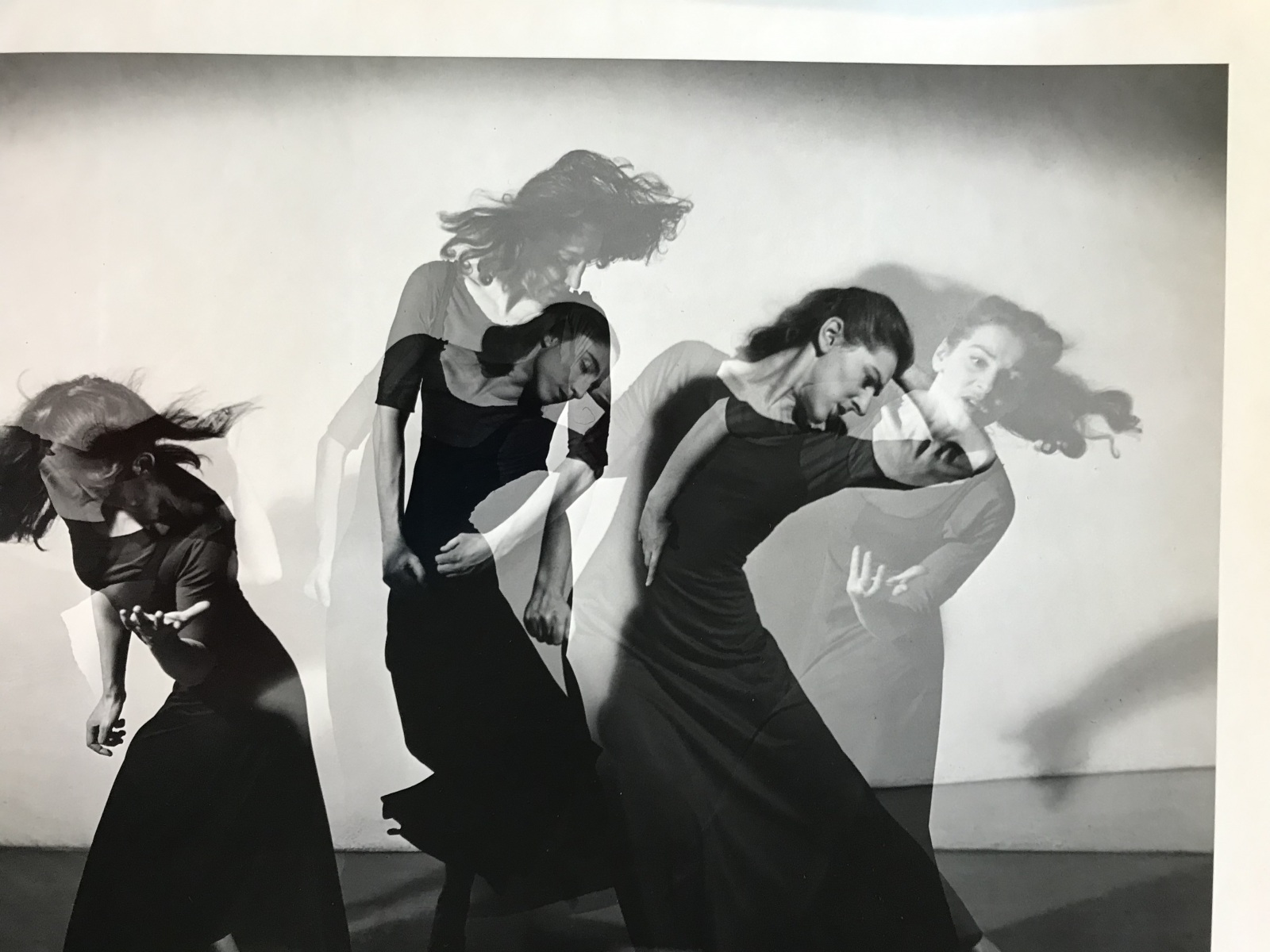
“The only record of a dancer’s art lies in the other arts.” – Martha Graham
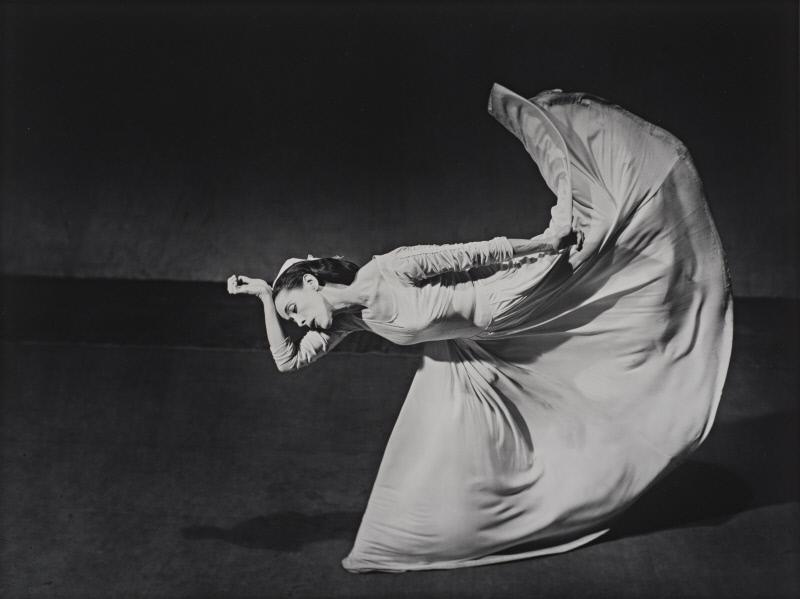
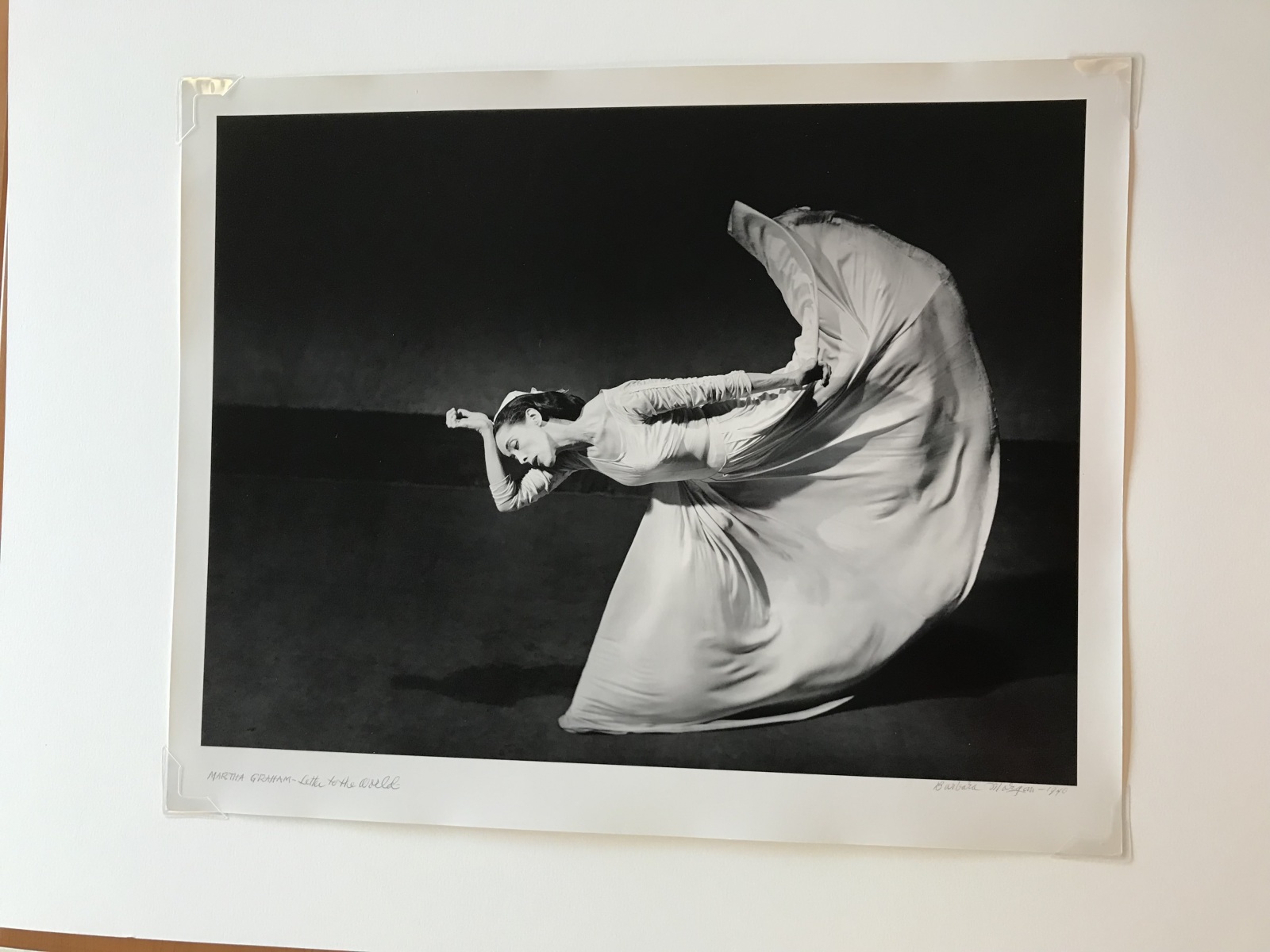
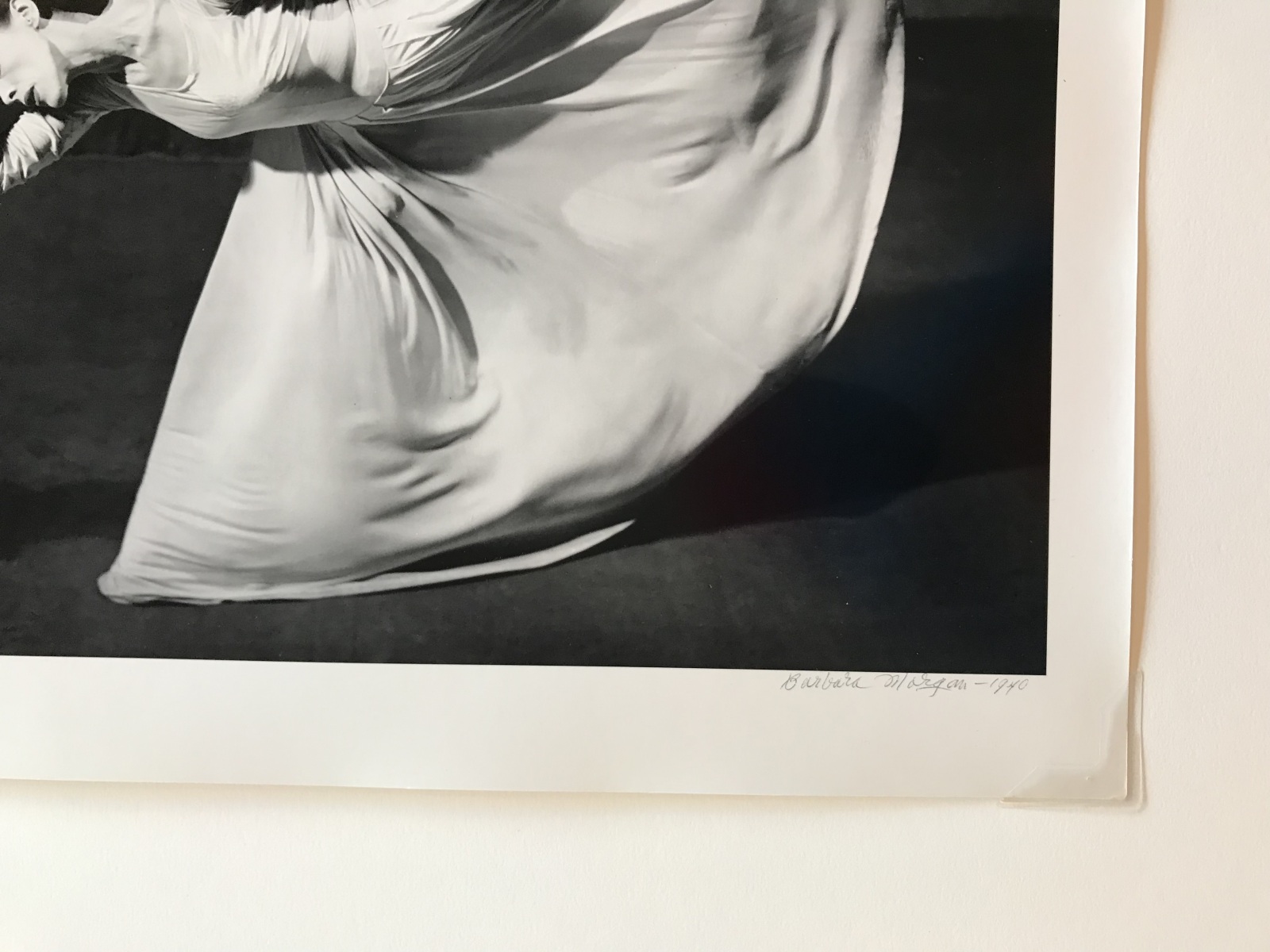
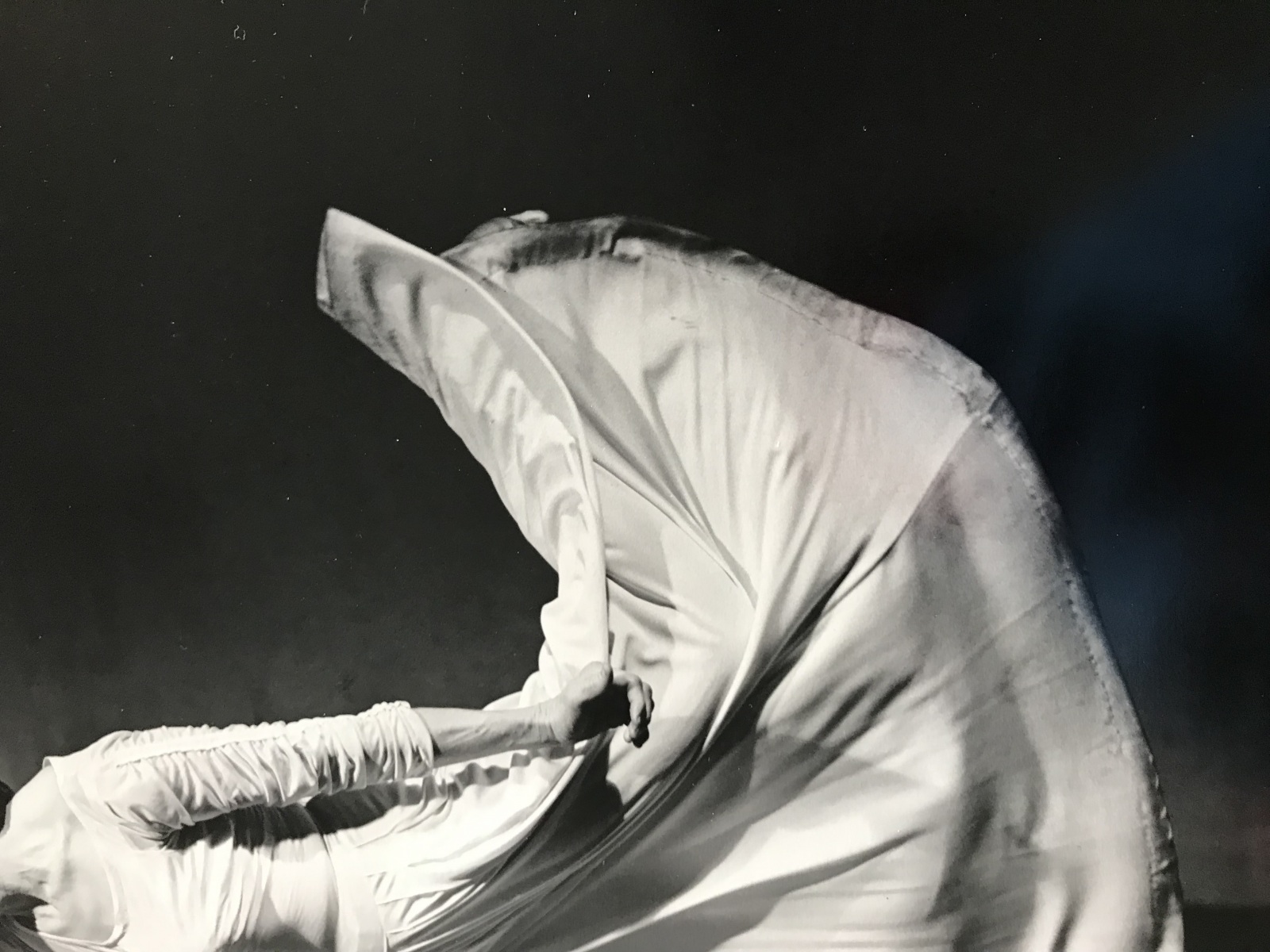
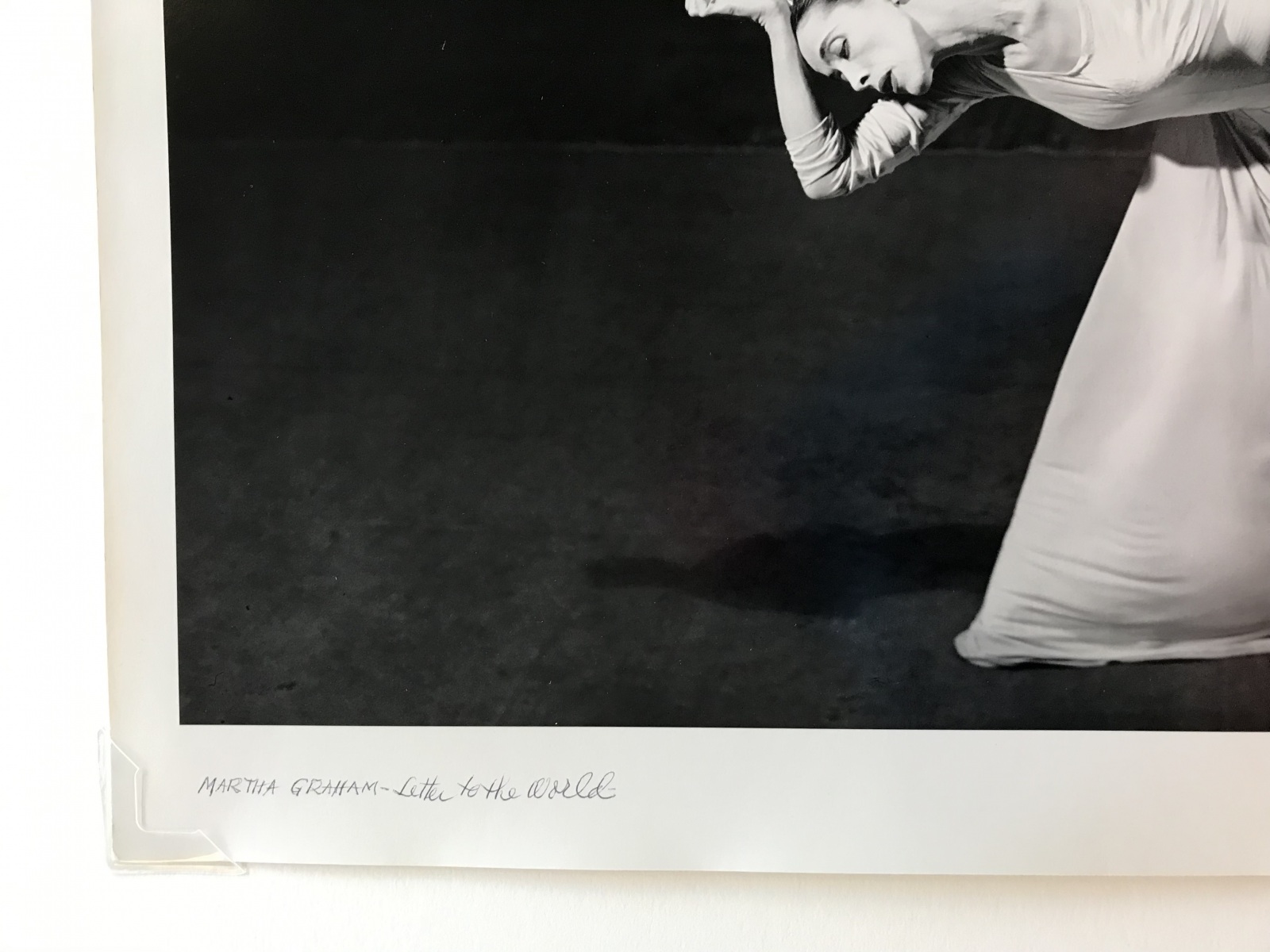
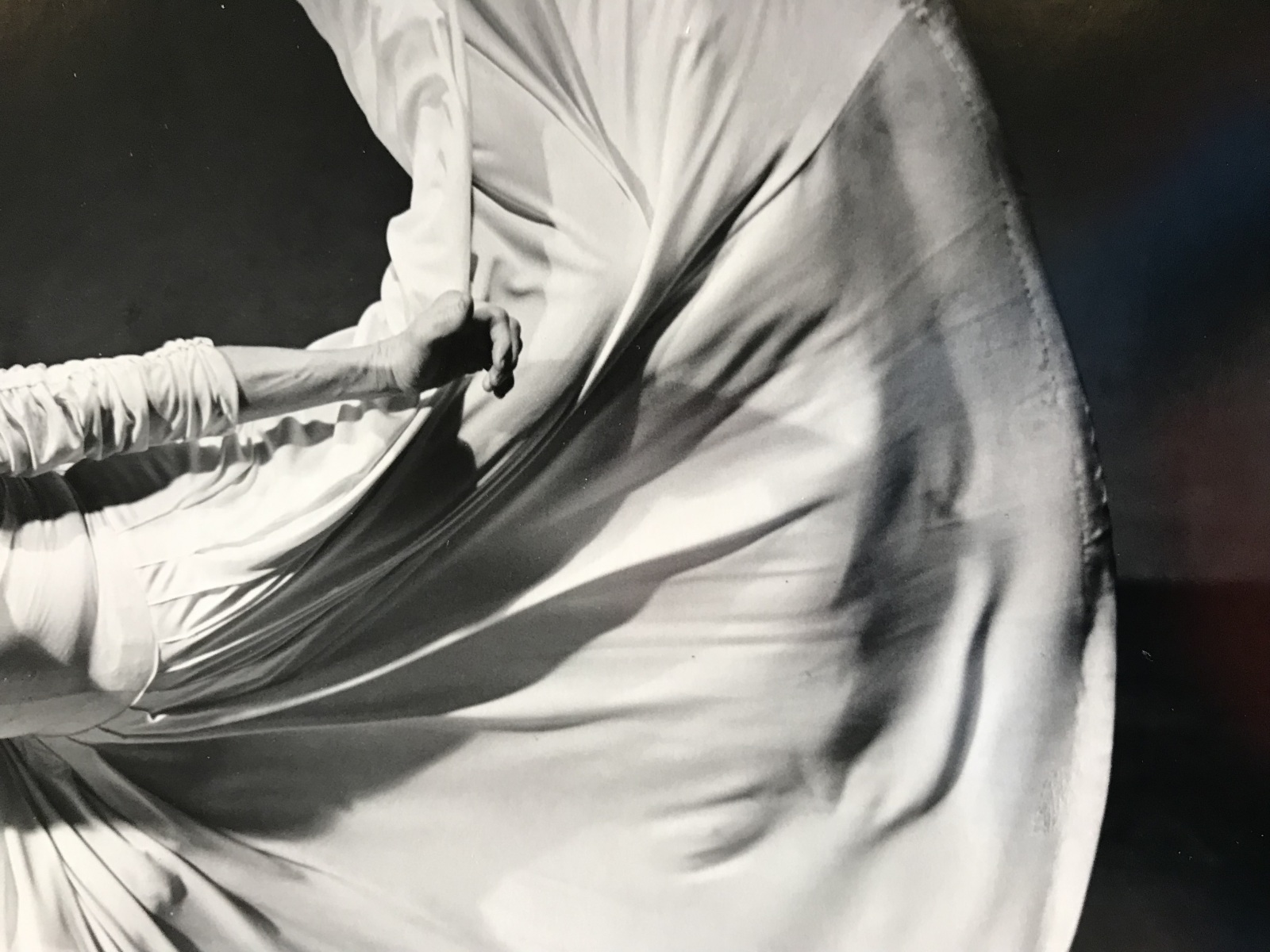
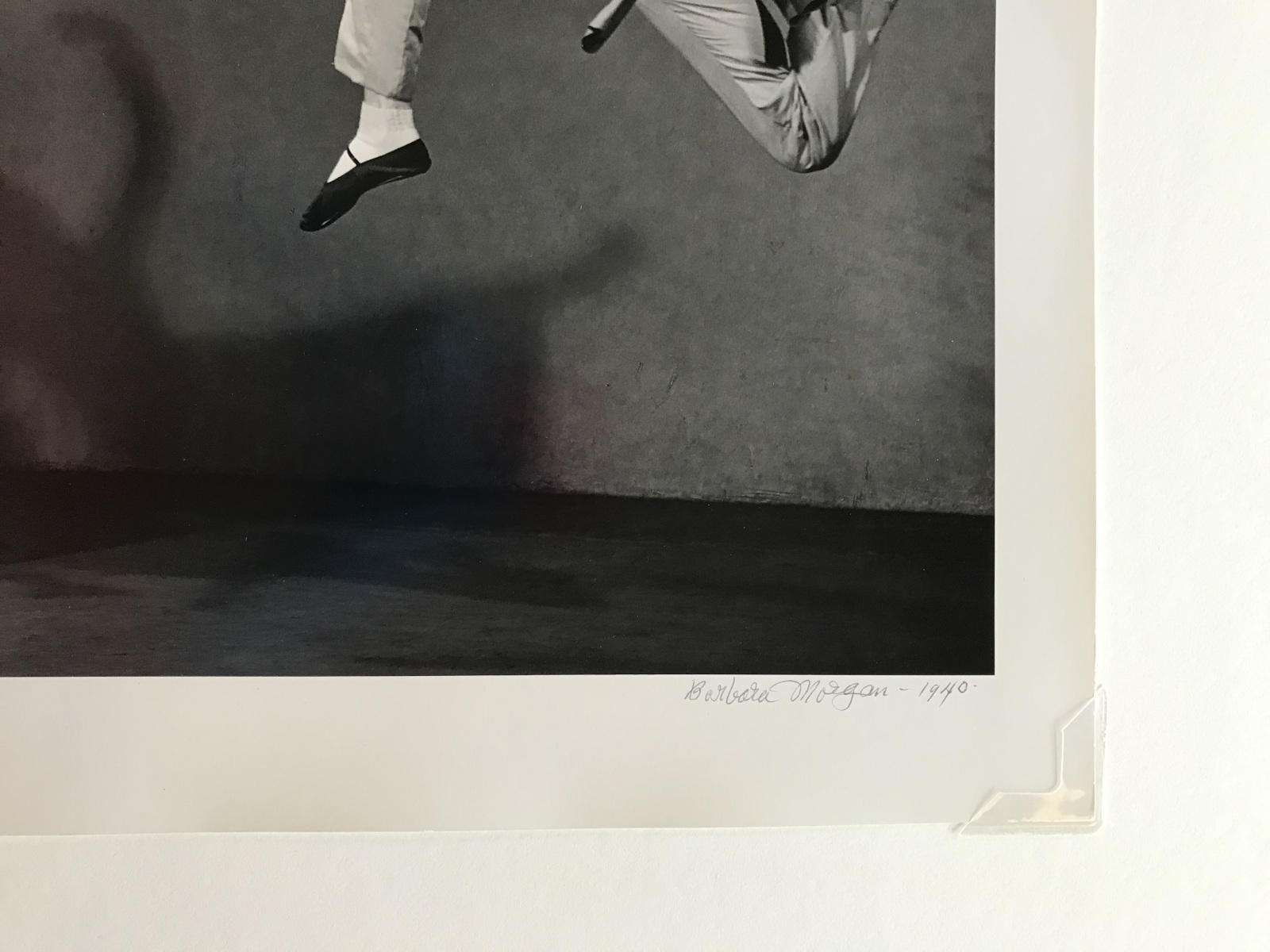
Martha Graham, Letter to the World (Kick), 1940
Gelatin silver print
Purchase, The Anne Hoene Hoy, class of 1963, Fund
2014.50.1
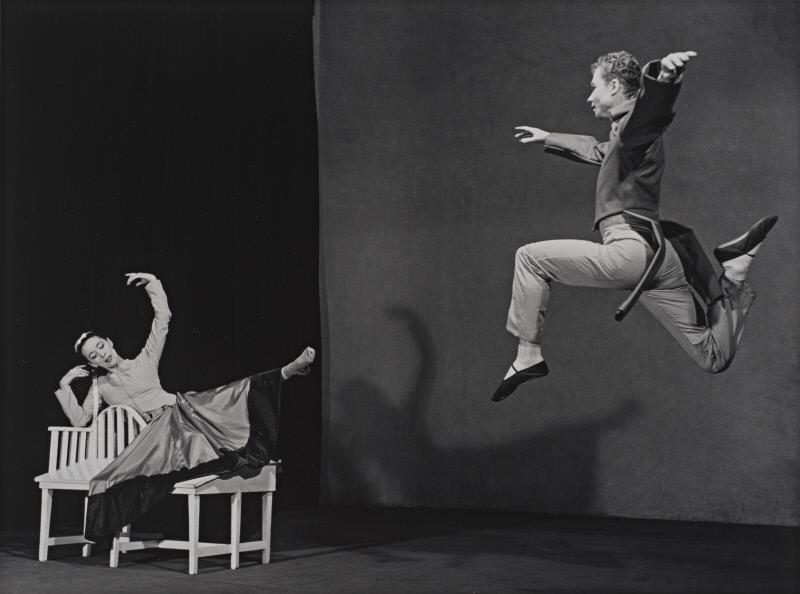
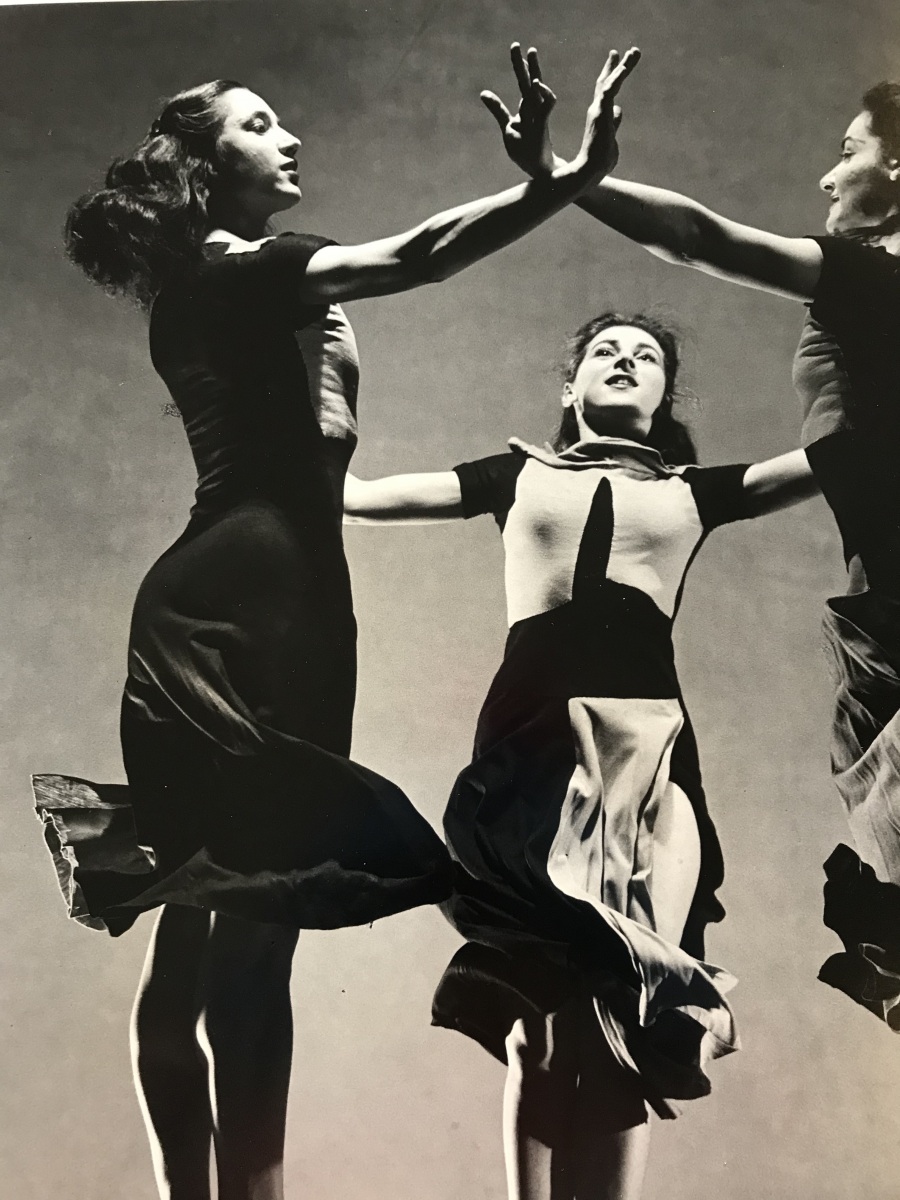
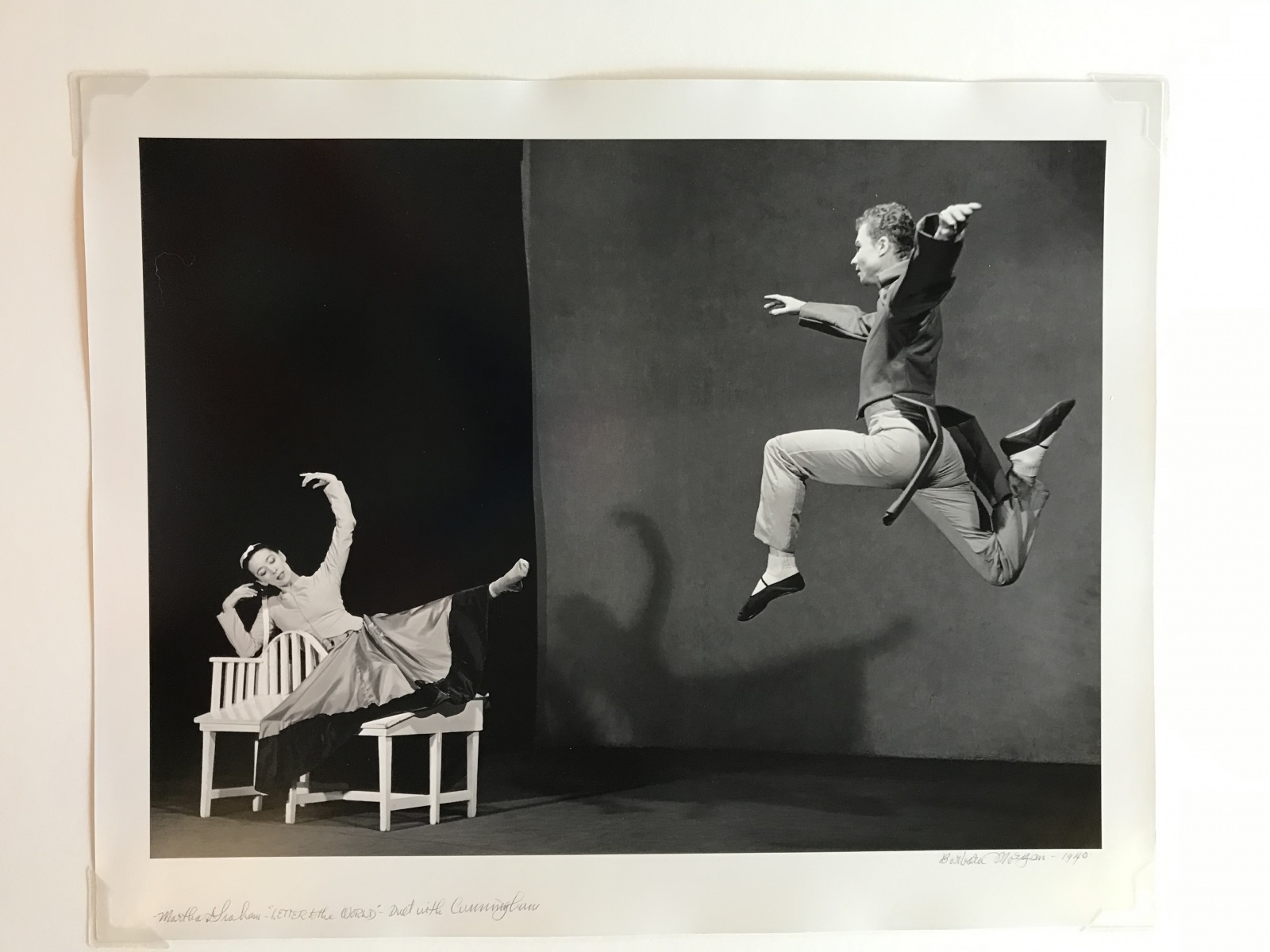
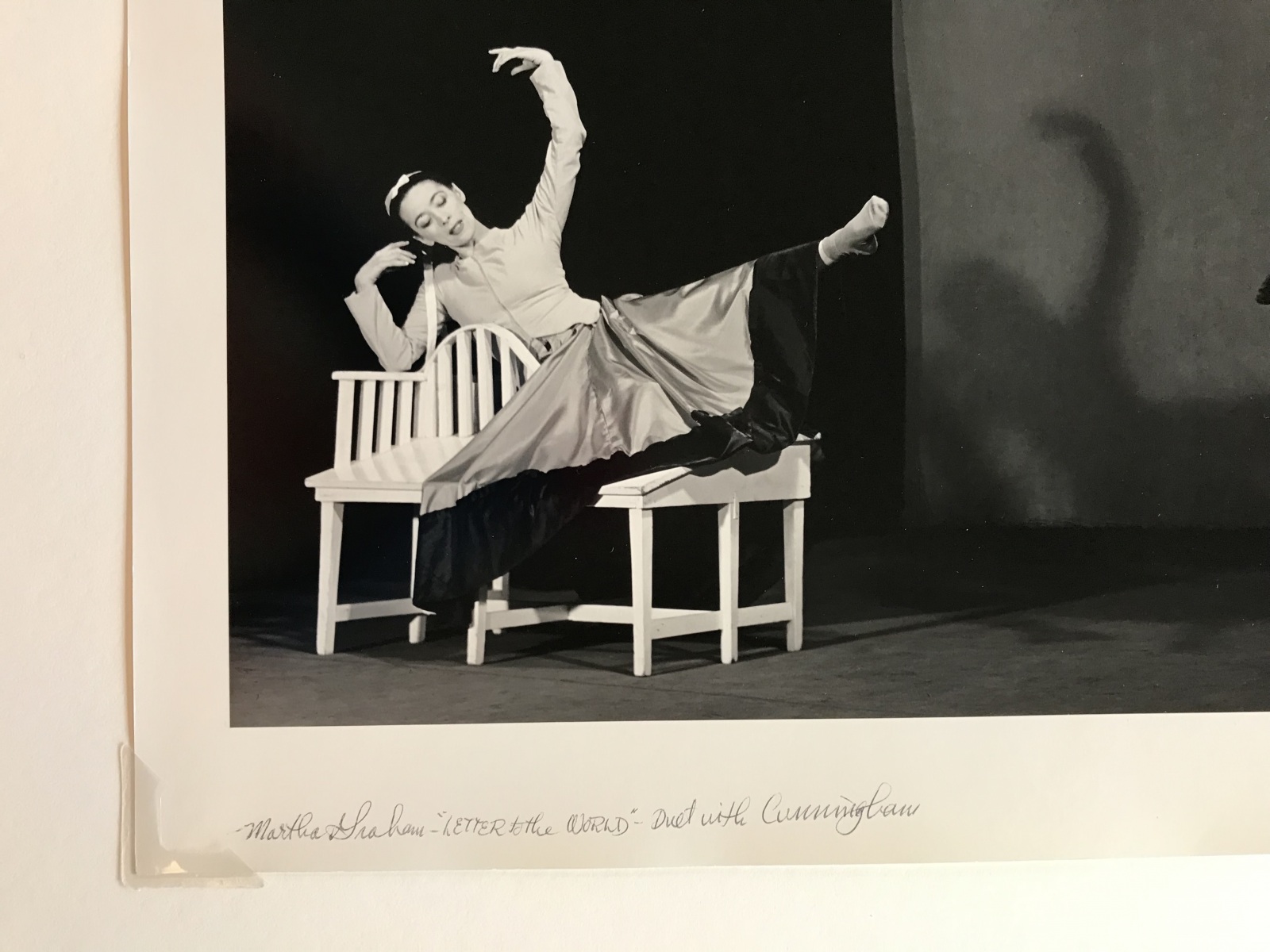
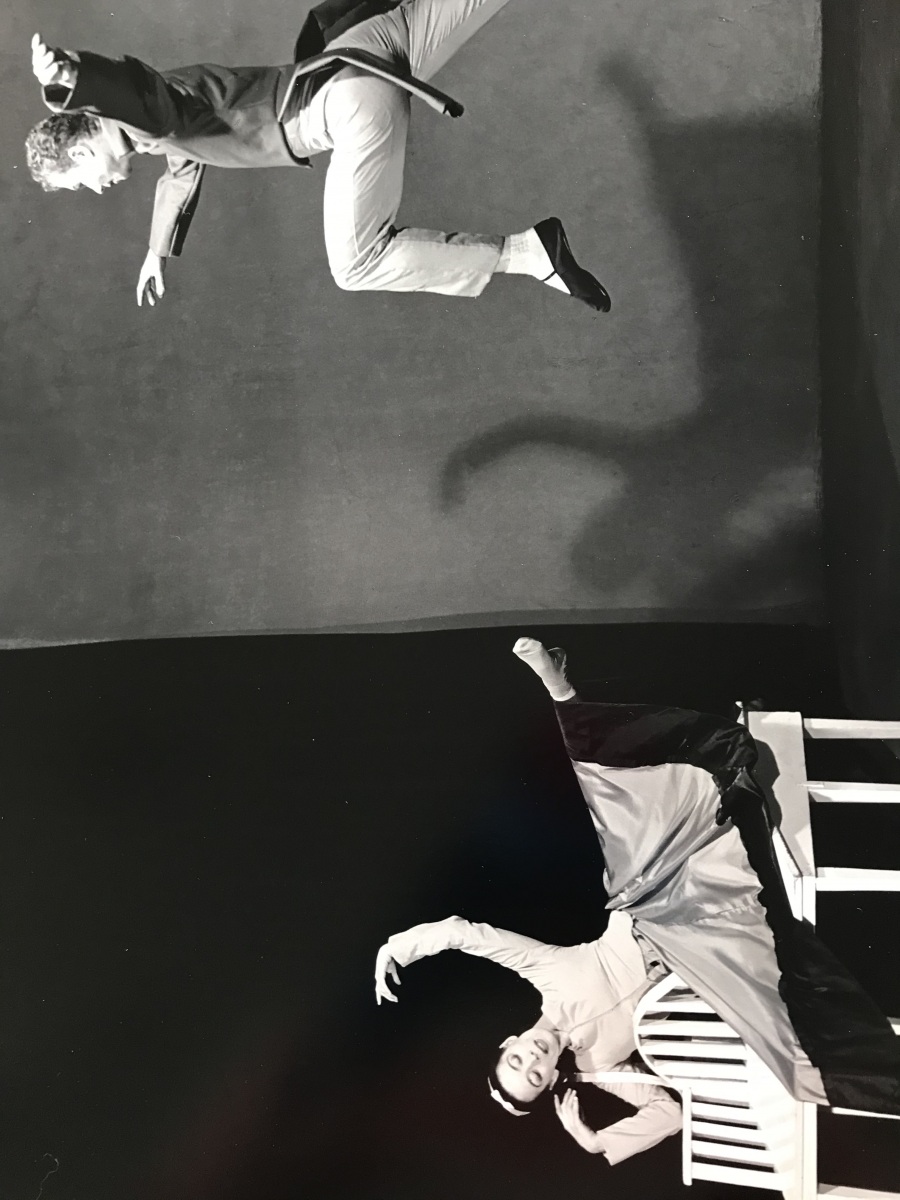
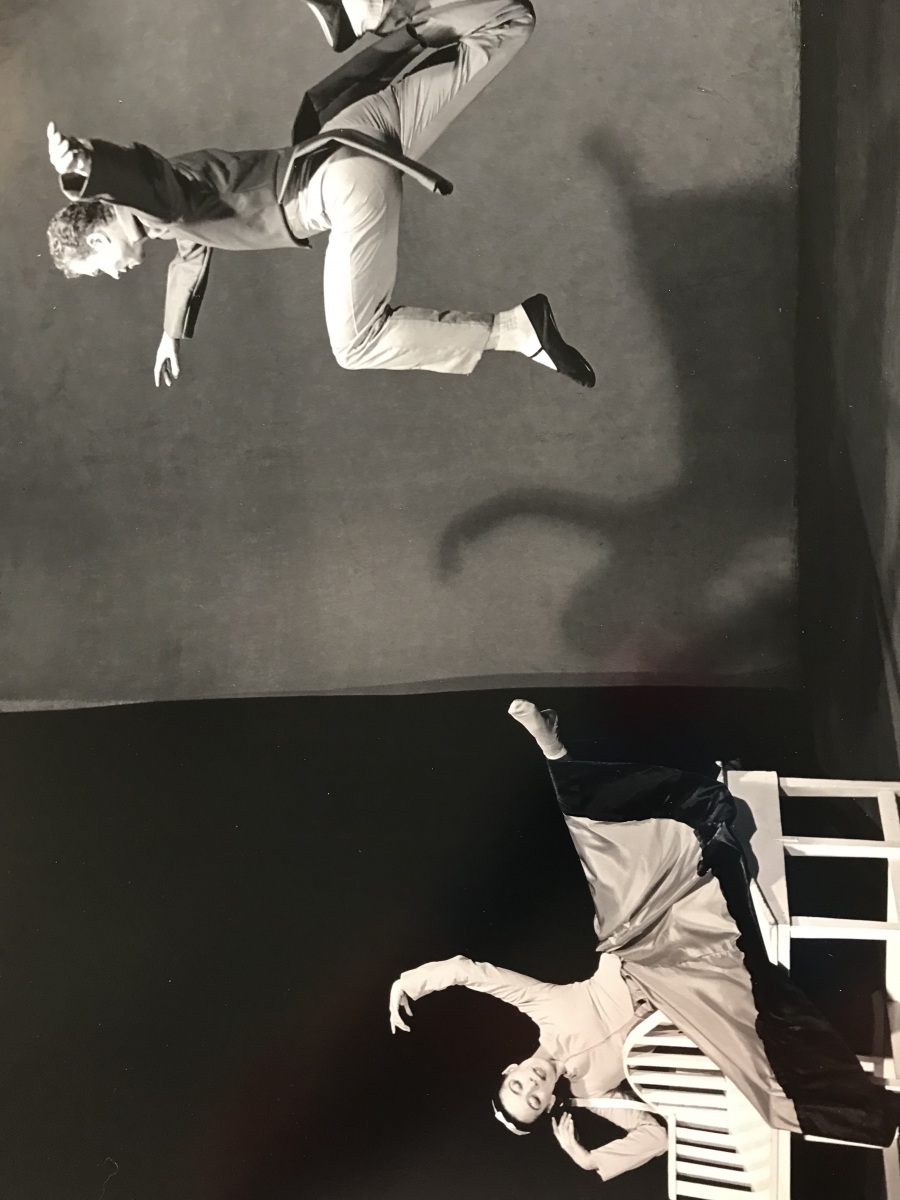
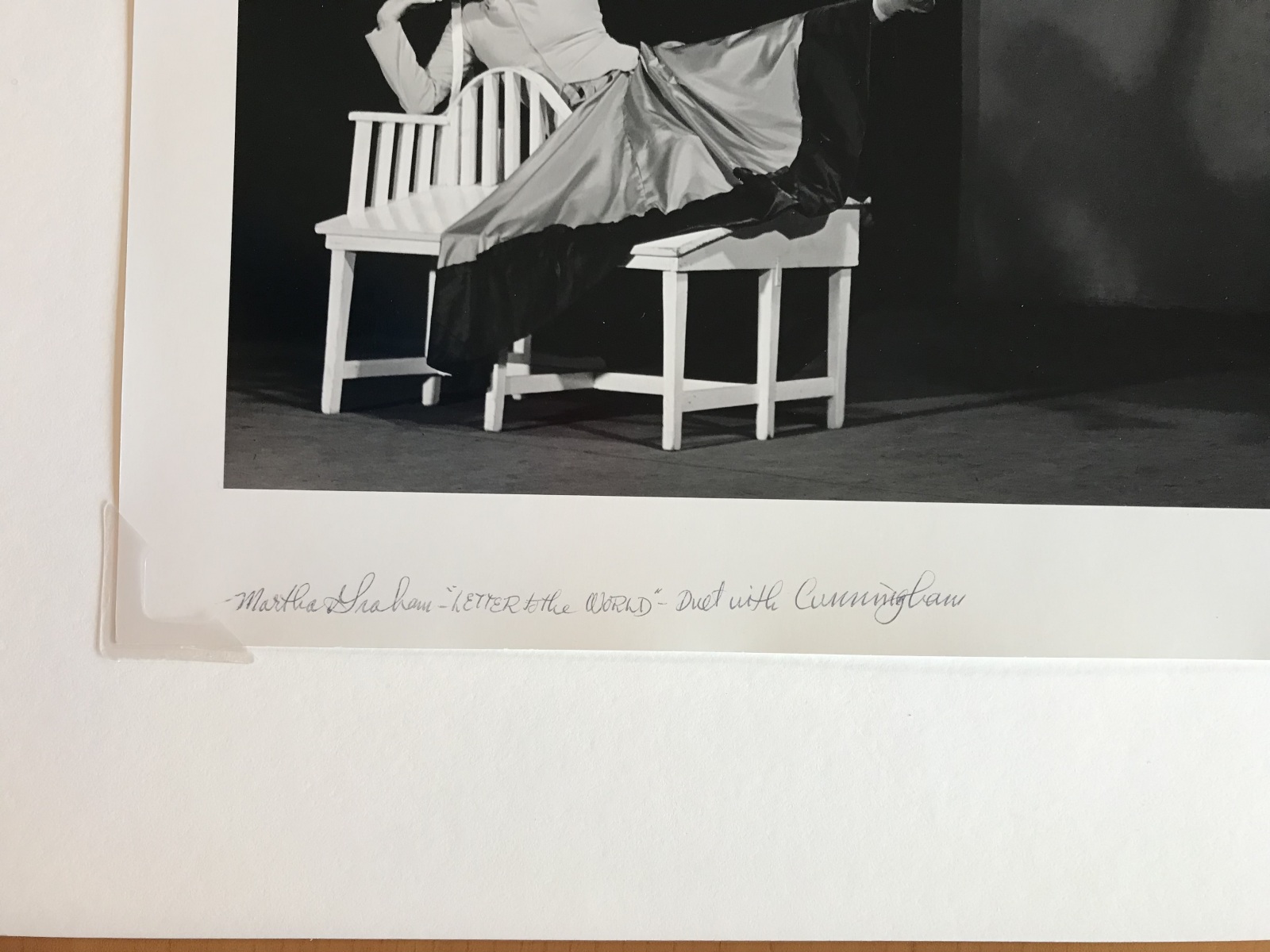
Martha Graham with Merce Cunningham; Letter to the World (“Dear March Come In”), 1940
Gelatin silver print
Purchase, The Anne Hoene Hoy, class of 1963, Fund
2014.50.2
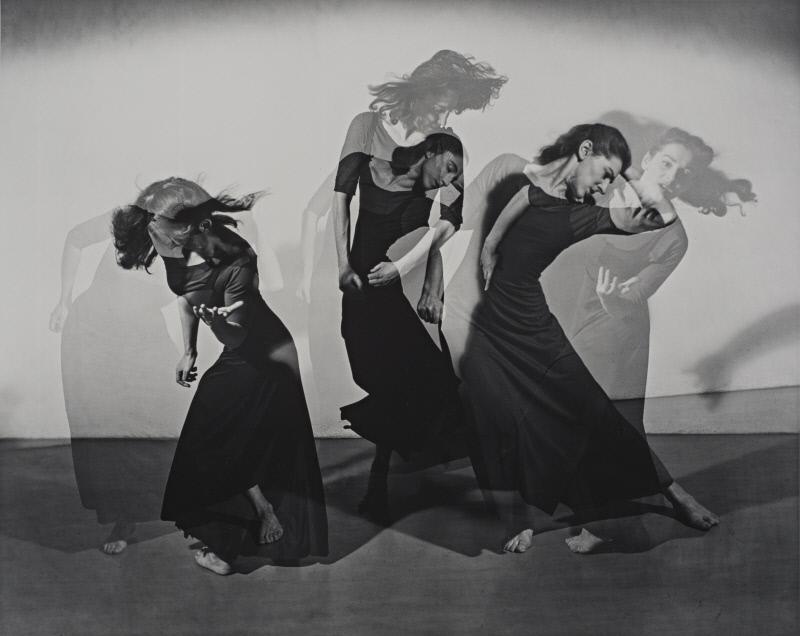
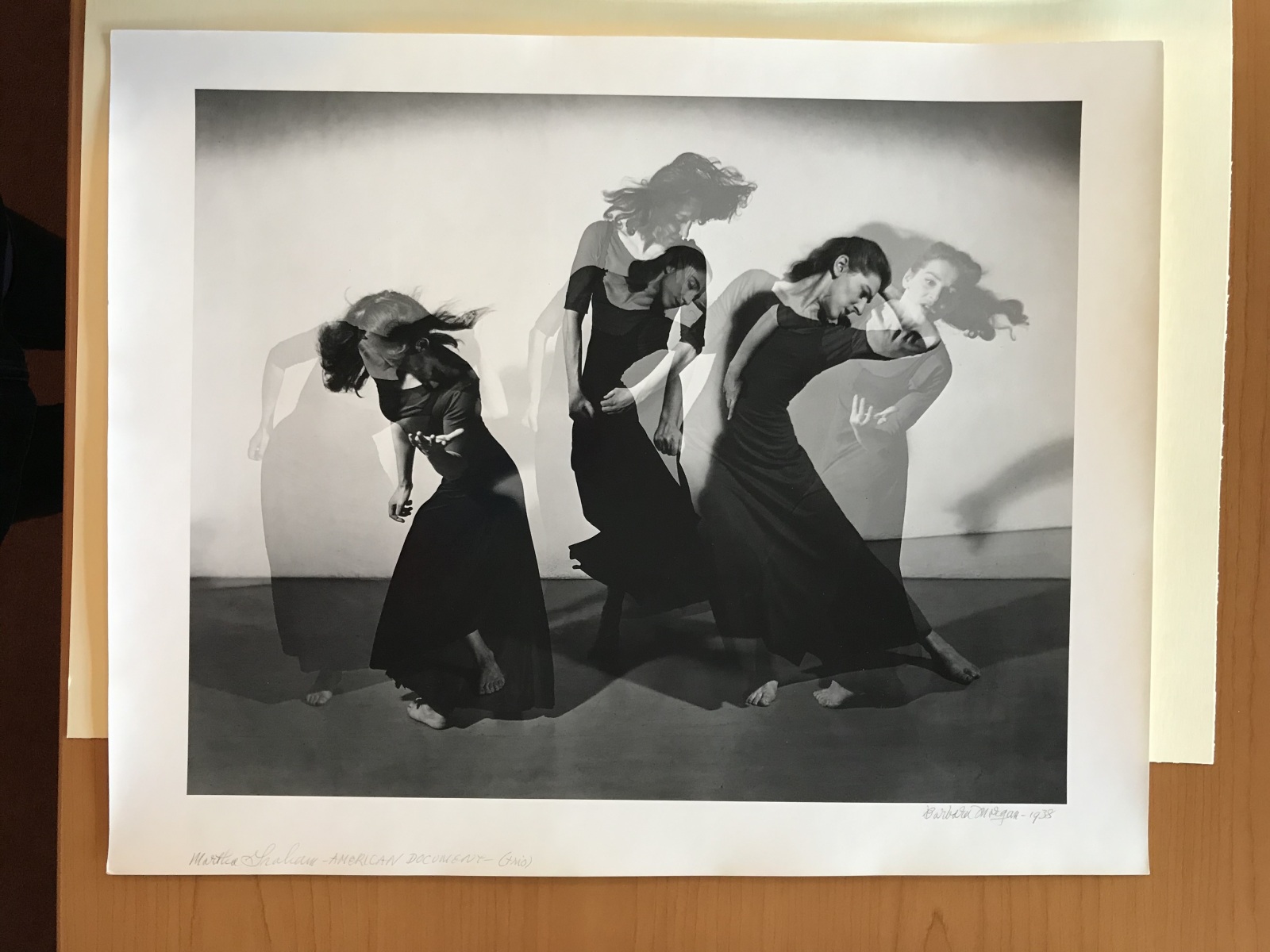
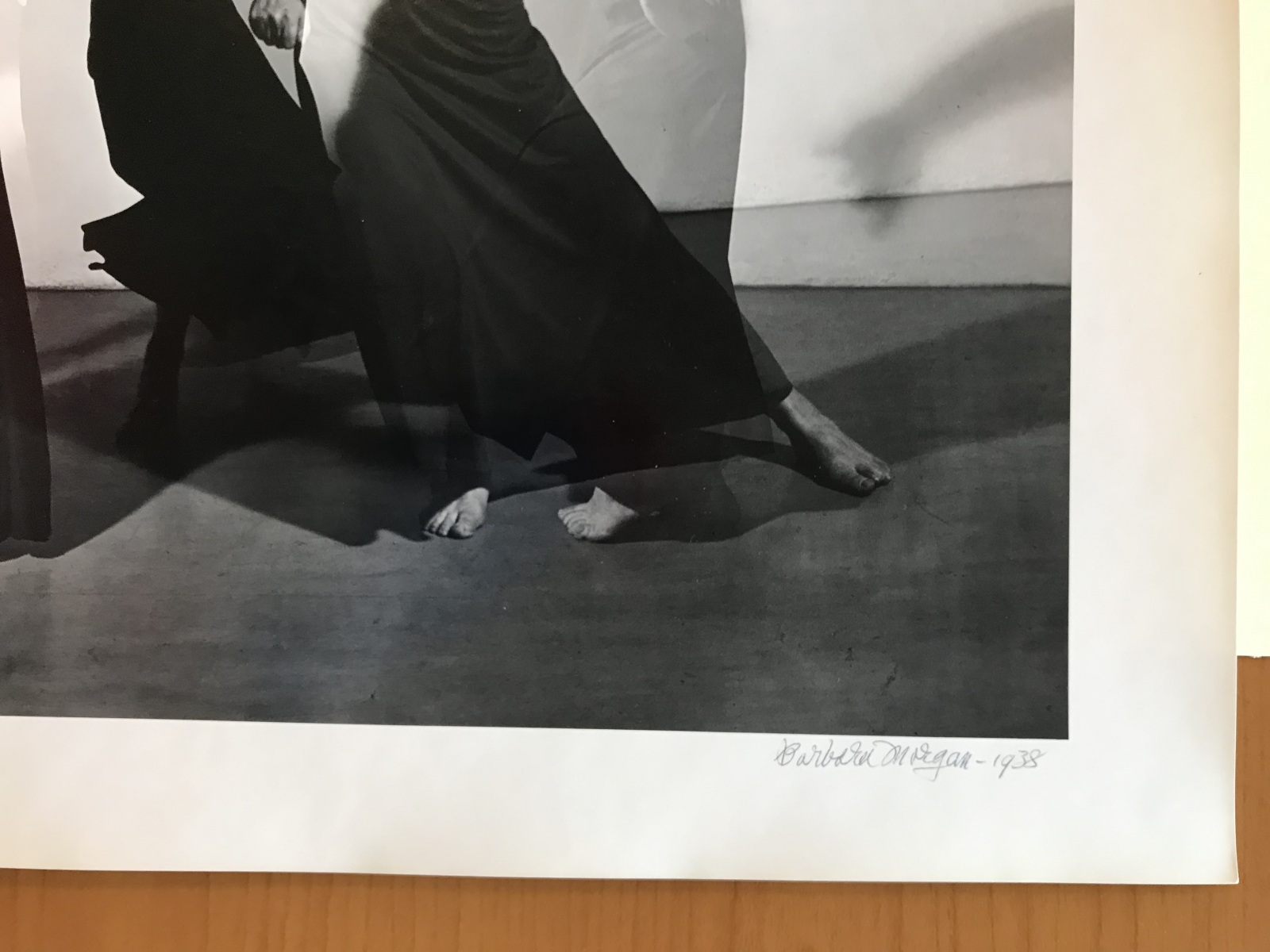
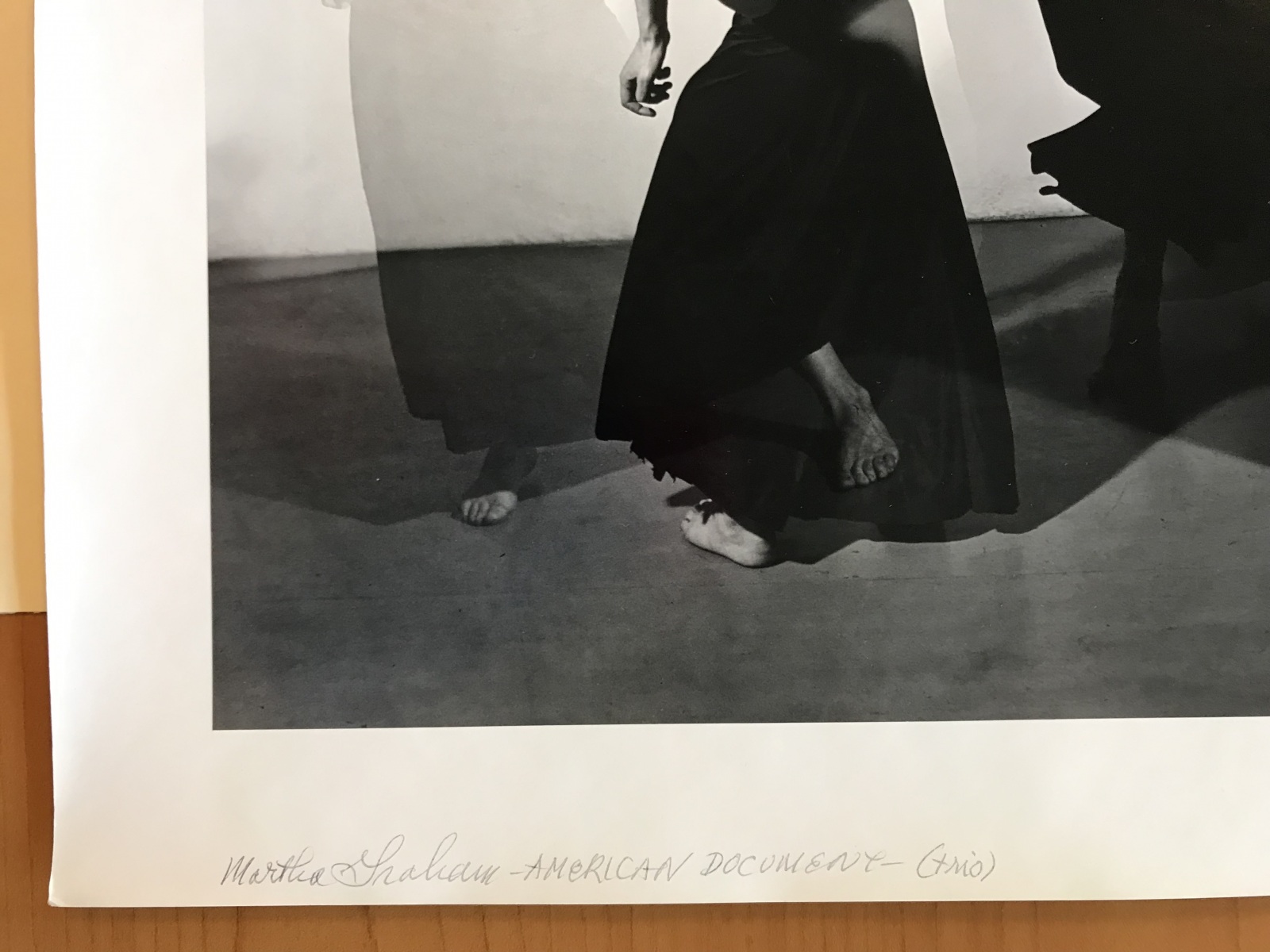
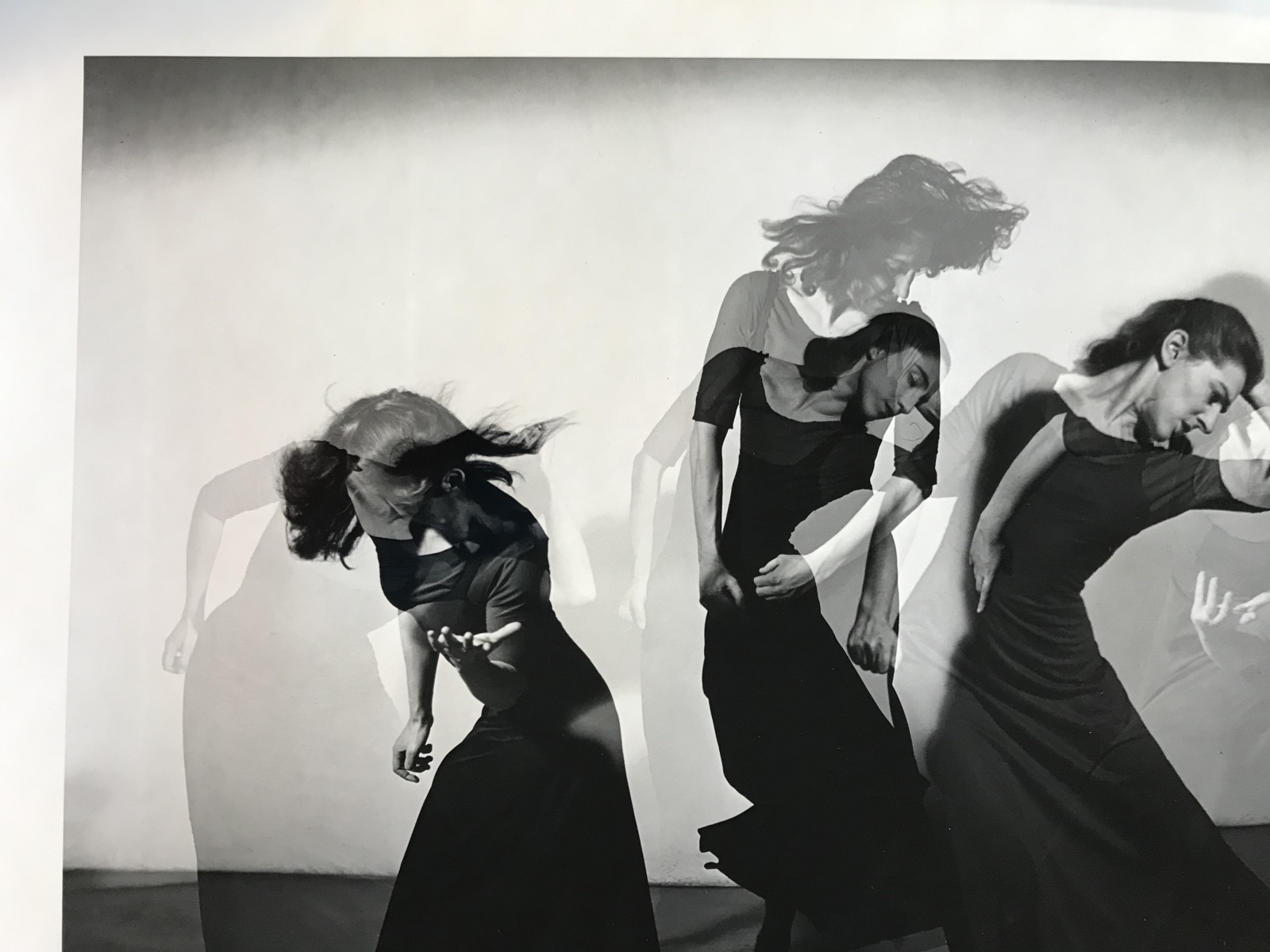
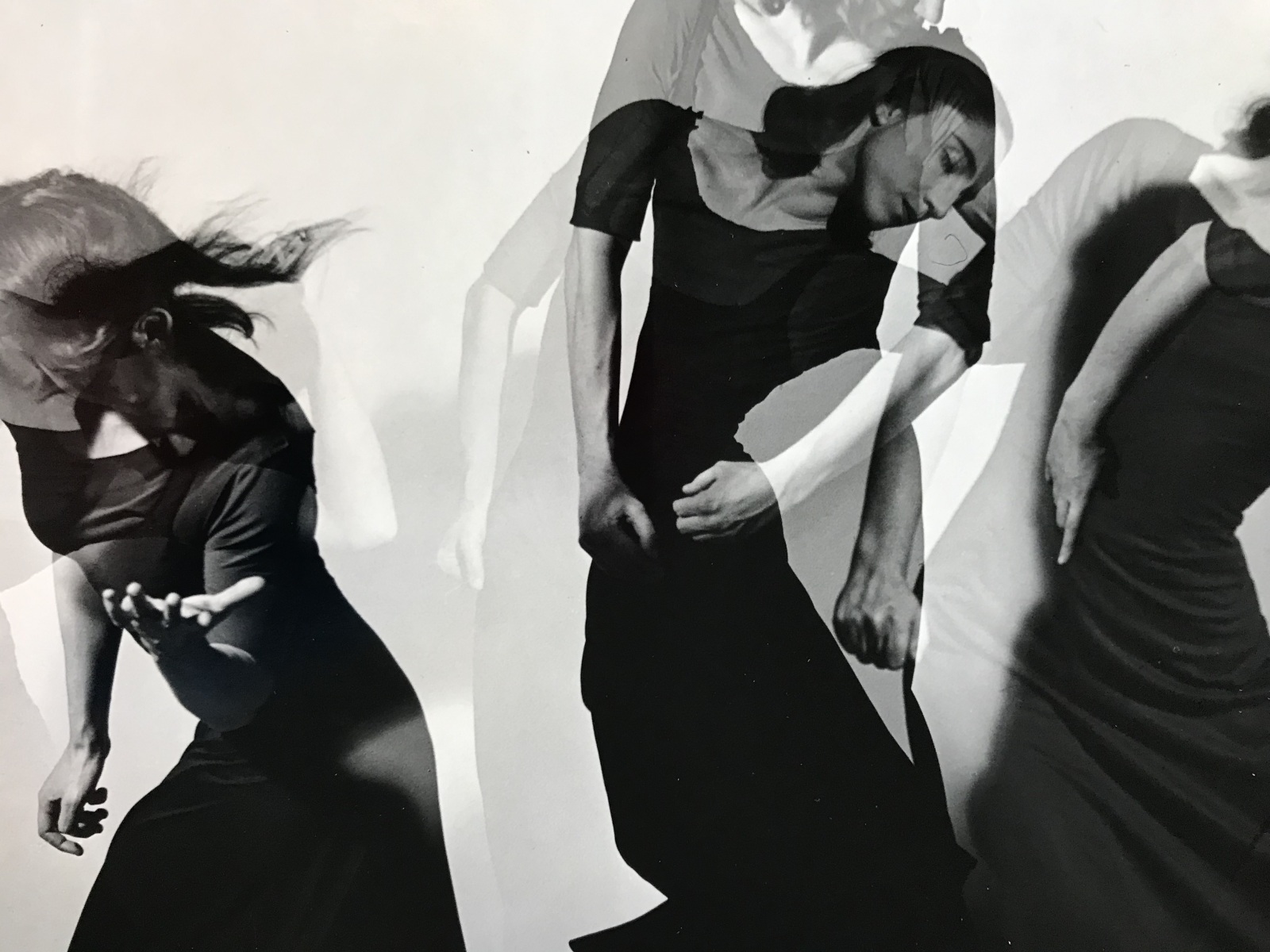
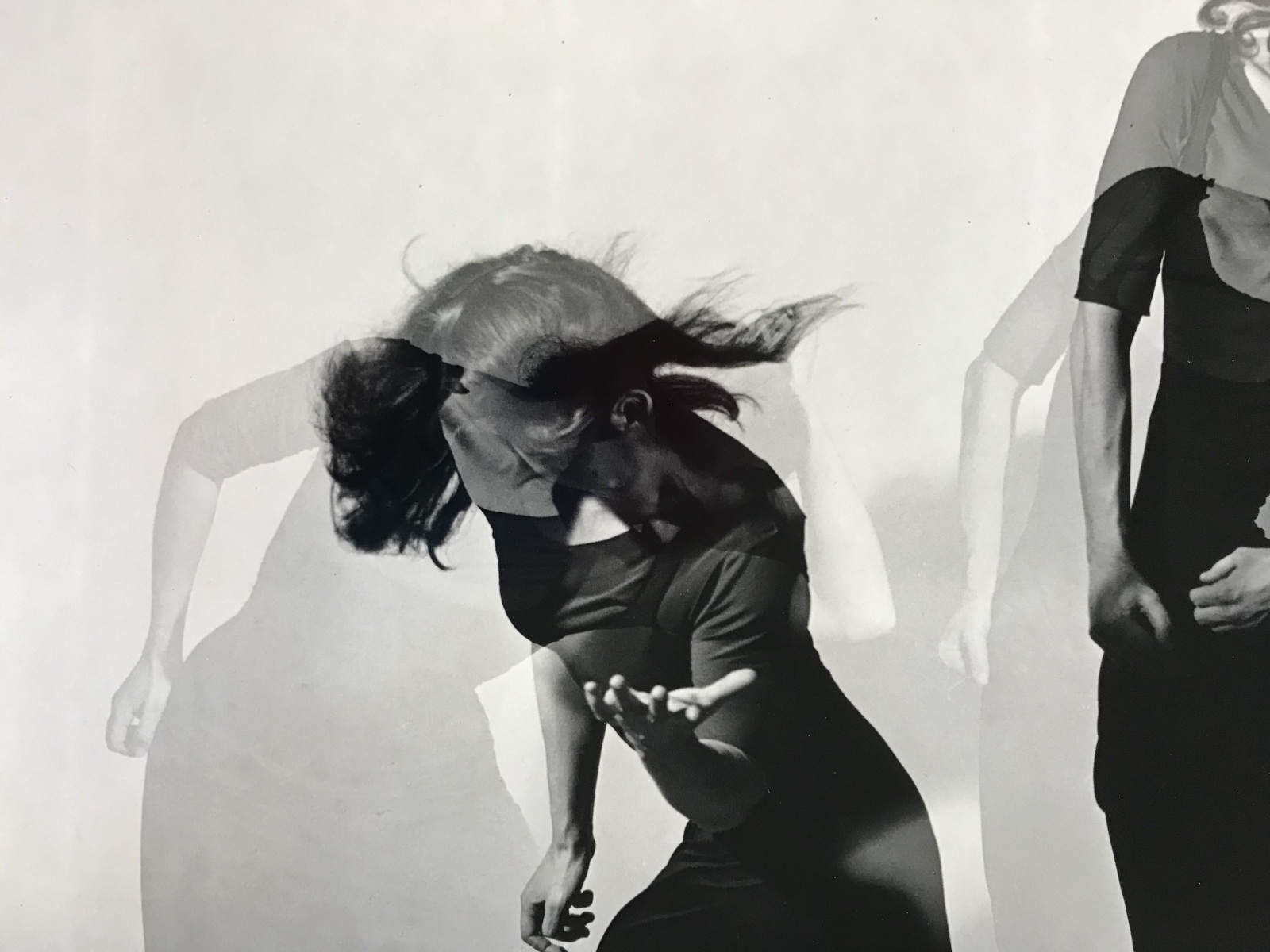
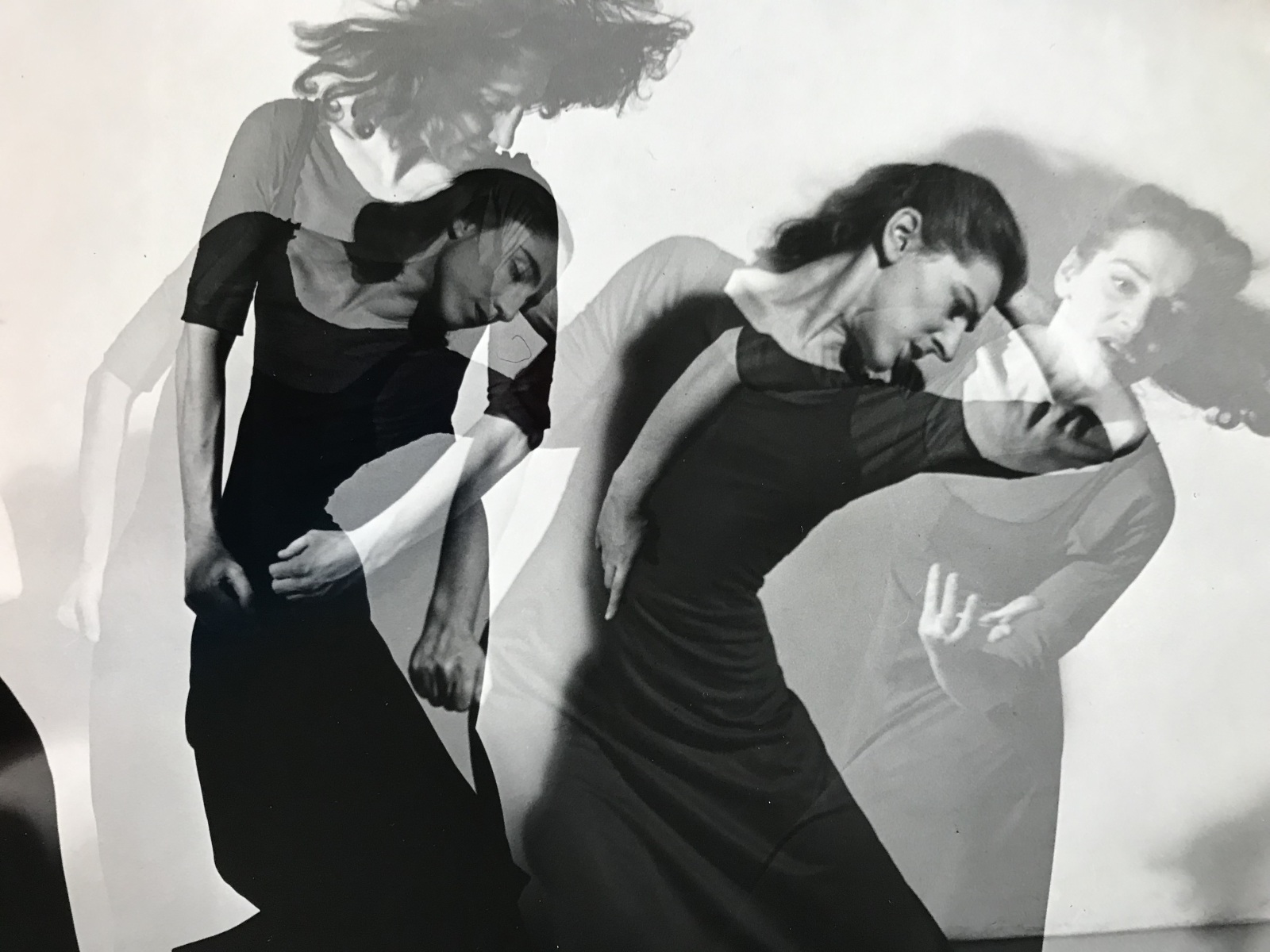
Martha Graham American Document Trio (double exposure), c. 1940
Gelatin silver print
Purchase, The Anne Hoene Hoy, class of 1963, Fund
2014.50.3
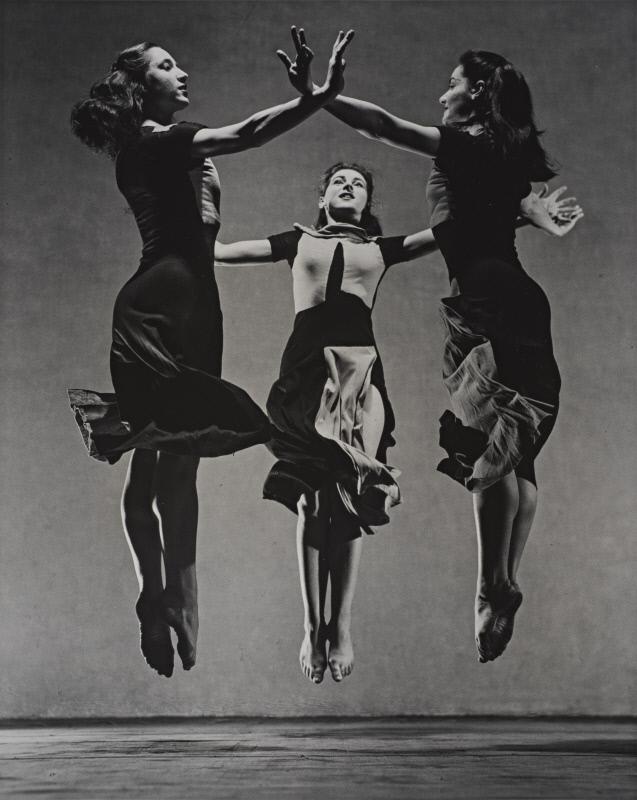
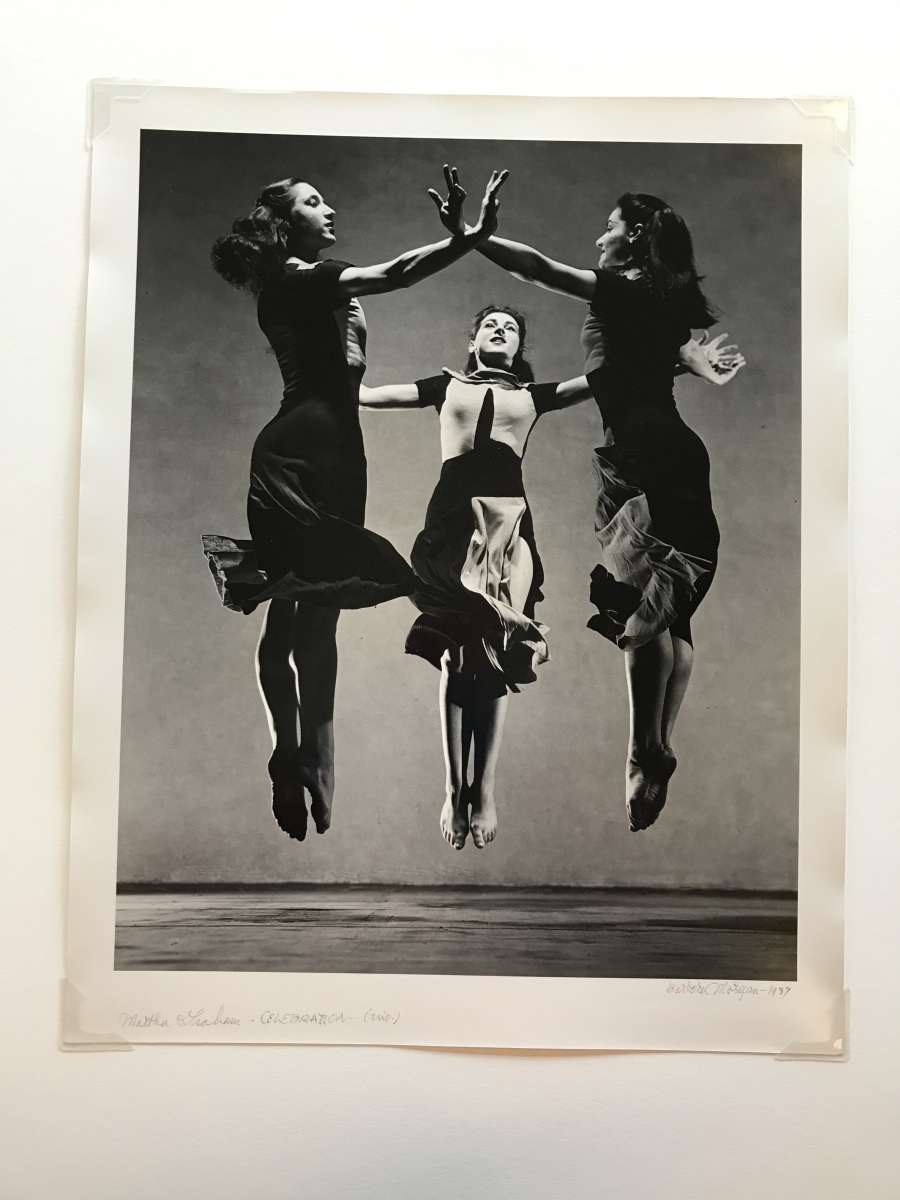
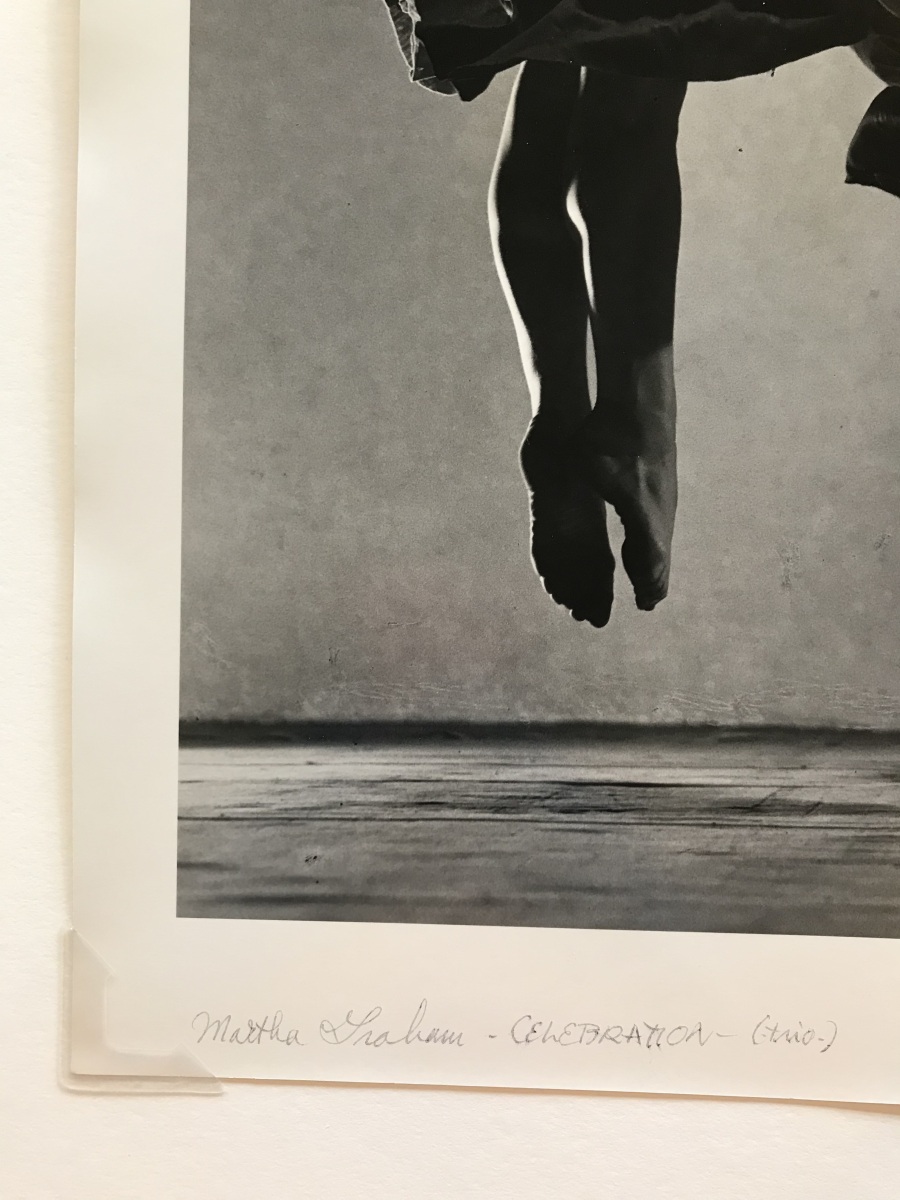
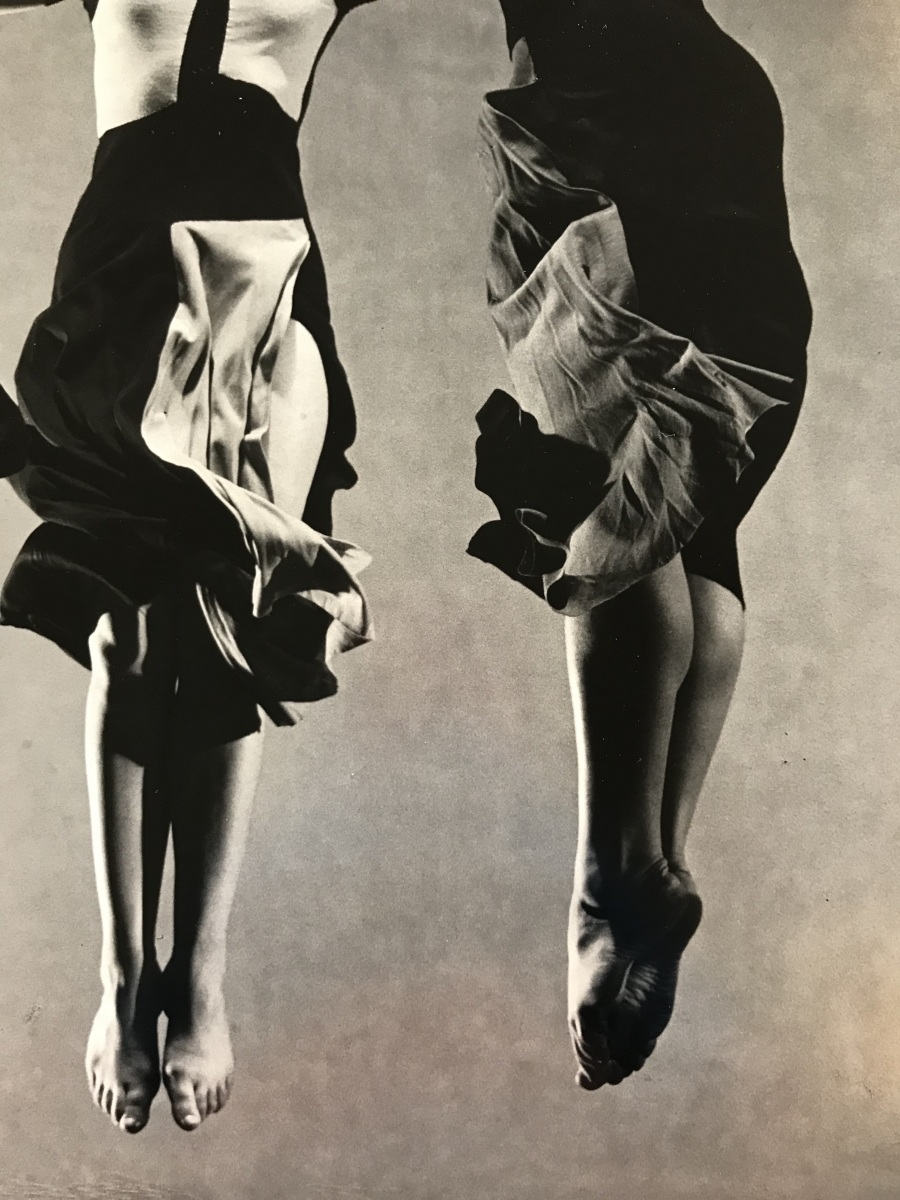
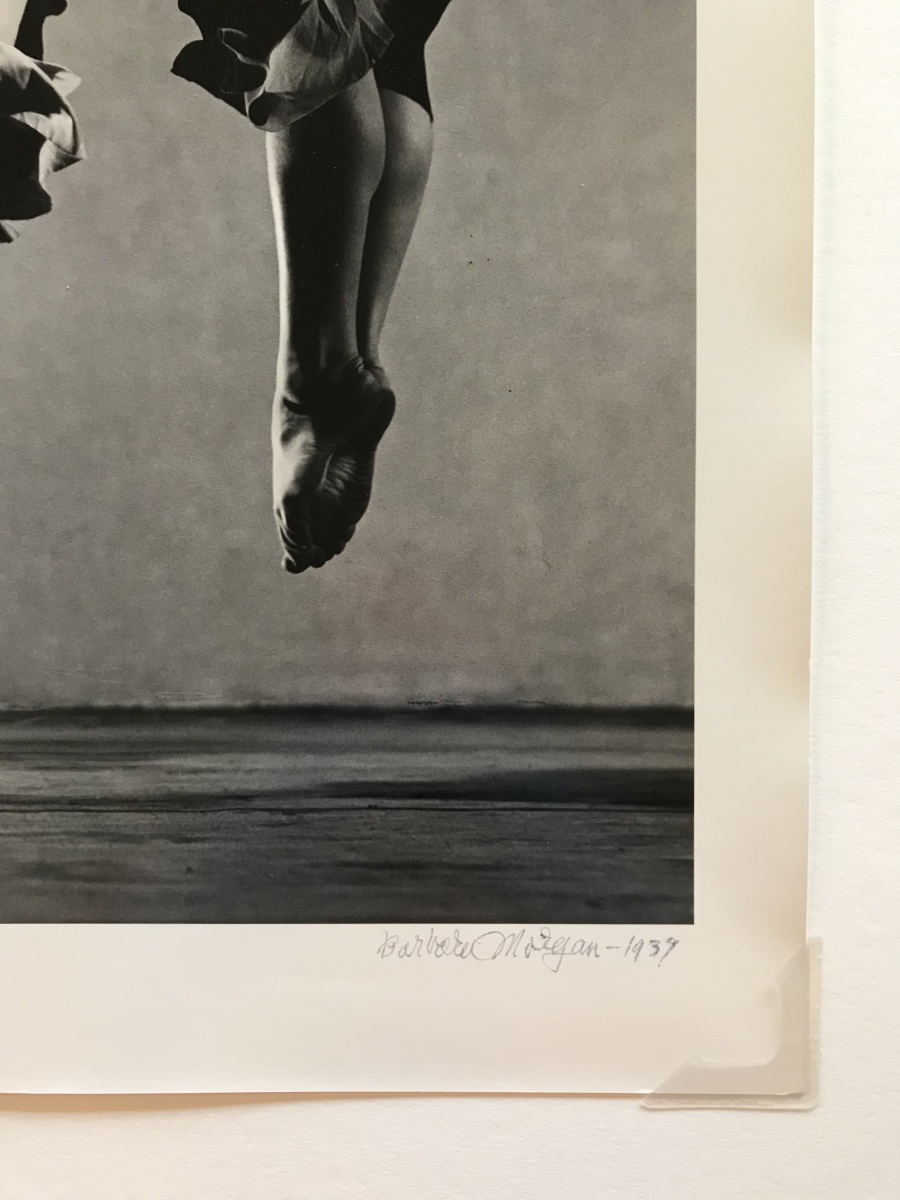
Martha Graham Celebration Trio, c. 1940
Gelatin silver print
Purchase, The Anne Hoene Hoy, class of 1963, Fund
2014.50.4
When Barbara Morgan and Martha Graham first met in 1935, Morgan was in the midst of personal and artistic transformation. Though Morgan had formally trained as a painter at the University of California at Los Angeles, she shifted to photography after moving to New York City in 1930 and following the birth of her children in 1932 and 1935. Morgan first learned to use a 4×5 Speed Graphic camera, 35mm Leica camera, and eight-by-ten inch enlarger working with her husband, photographer Willard Morgan. While Willard introduced Barbara to the medium, she adapted his technical training meant for documentary purposes to fit her own artistic vision. Much of Morgan’s earliest work, including Spring on Madison Square (1938), was created using composite printing techniques, overlayering multiple negatives to print them on a single sheet, which created a collage-like image. The large, torquing figure of dancer Erick Hawkins with outstretched hands and legs in Spring on Madison Square echoes Morgan’s explorations of expressive shapes and movement of the body in her work with Martha Graham and her dance company. In fact, the original image included in this composite print appears in Morgan’s book Martha Graham: Sixteen Dances in Photographs.
Barbara Morgan photographed Martha Graham and her dance company from 1935 to 1940. Martha Graham, Letter to the World (Kick) (1940); Martha Graham with Merce Cunningham (1940), Letter to the World (“Dear March Come In”) (c. 1940); Martha Graham Celebration Trio (c. 1940); and Martha Graham American Document Trio (double exposure) (c. 1940) are part of this extensive collaboration. Morgan published these photographs in her first book, Martha Graham: Sixteen Dances in Photographs, in 1941. In her photographs, Morgan excerpts movements directly from Graham’s dynamic ballets. While her choreography often appears fast-paced and sharp, Graham stressed the importance of communicating emotion through rigorous body positions including the contraction, spiral, and cupped hands. Morgan replicates Graham’s close attention to each limb by isolating and freezing individual gestures within larger pieces of choreography. Though the tone, choreography, and narrative of Graham’s pieces vary, Morgan employed a relatively consistent approach in photographing each dance. As seen in the four works in the Loeb’s collection, the photographs feature uniform grey or black backgrounds. This uniformity compresses space into a flat stage and places true emphasis on the dancers themselves. Further, Morgan often excludes the stage floor from her photographs; the jumping dancers appear to float, suspended midair.
Martha Graham, Letter to the World (Kick) (1940) in particular has not only become one of Morgan’s most well-known photographs, but also an iconic representation of Graham’s oeuvre. The photograph depicts Martha Graham herself at the climax of an arced kick from her 1940 work Letter to the World. Graham holds her upper body perfectly horizontal and cups her hand above her forehead, while supporting the upwards kick of her leg. In this photograph, Morgan communicates the drama of both Graham’s pose and the billowing, shadowed fabric of her costume. While Graham appears solid and sculptural in the photograph, the kick itself occurred over the course of mere seconds. In order to achieve such a precise depiction of an instantaneous movement, Morgan instructed Graham to repeat the single kick over and over. As detailed in a 1982 issue of American Photographer, Morgan surrounded Graham with four lights and triggered them to flash at 1/600th of a second when she clicked the shutter. Morgan’s use of repetition and flash reveal the demanding process necessary to render stoic, poetic images of fluid choreography.
Most of the photographs in Martha Graham: Sixteen Dances in Photographs delineate form using a similar approach to Martha Graham, Letter to the World (Kick) (1940); Martha Graham with Merce Cunningham (1940), Letter to the World (“Dear March Come In”) (c. 1940); and Martha Graham Celebration Trio (c. 1940). In these photographs, Morgan captures dancers at the peak of movement and drama, emphasizing their choreographic precision and kinetic energy. Graham chose costuming, props, and stage sets that accentuated the shapes and theatricality of her technique. Morgan recognized the centrality of these components and further dramatized them through her deep, high-contrast shadows, particularly in her rendering of fabric. However, Morgan also incorporated her interest in more experimental techniques into the work. In Martha Graham American Document Trio (double exposure) (c. 1940), Morgan multiplies a trio of dancers using double exposure. The resulting image is a visceral combination of Morgan’s ability to capture precise, evocative movement and her modernist approach to creating visual complexity in composite works.
Morgan situated herself squarely within emerging modernist intellectual and artistic discourse. She recognized photography’s distinct technical qualities and believed it was well-suited for creating poetic artistic expressions of the increasingly complex world. In a 1943 essay titled “Esthetics of Photography,” she described photography as “a living art in which people, places, emotions, thoughts, and acts of today’s world are textually interwoven.” Like many photographers in the first half of the twentieth century, Morgan challenged the schism between photography and other mediums like painting and sculpture as legitimate art forms. While living in New York City, Morgan maintained close contact with modernist artists including Edward Weston, Josef Albers, and William Carlos Williams; she was also a member of New York’s Photo League. In addition to her own photographic work, one of Morgan’s most important contributions is her role as a co-founder of Aperture magazine in 1951. Her correspondences and work in founding Aperture highlight Morgan’s belief in collaborating with artists across mediums. This notion of collaboration was central to Morgan’s work with Martha Graham. Like Morgan, Graham also worked closely with pioneering modernists, including choreographer Merce Cunningham, sculptor Isamu Noguchi, and composer Aaron Copland. In a time when art was taking new and multidisciplinary forms, Morgan and Graham’s collaborative efforts are notable not only for their distinctly modernist approaches, but also for their prominence as women in historically male-dominated mediums.
Barbara Morgan’s photographs of Martha Graham’s dance company serve a dual function. They not only celebrate an abstraction of shape and the body, but also act as a powerful record of Graham’s choreographic oeuvre. While many of the ballets Morgan photographed were filmed during Graham’s career, they bear the faultiness and imperfections of early video technology. Though many of the pieces photographed are still performed by the Martha Graham Dance Company, others have been retired and exist only in archives. As she explains in the introduction to the book, Morgan consciously “experimented with layouts that would suggest the dramatic sequence of the dances.” Further, she includes Louis Horst’s “Choreographic Record” detailing the titles, narratives, composers, premier dates and locations, and dancers of each piece. Combined with Morgan’s striking images of the dances, this information is a concrete record of Graham’s work. Because of their precision and emotional impact, Morgan’s photographs are studied by contemporary Graham dancers as references for their own performances and as reconstructions of archival works.
Cassie Jain, Post-Baccalaureate Curatorial Fellow, 2020-21
Further Reading and Viewing:
- “Barbara Morgan photographs, 1928-1972,” UCLA Library Special Collections, University of California Los Angeles.
- Brett Knape, “Barbara Morgan’s Photographic Interpretation of American Culture, 1935-1980,” Kress Foundation Department of the History of Art, University of Kansas (Lawrence: University of Kansas, 2008).
- Demelina Valonzo, “Celebration – LaGuardia High School Graduation – Class of 2013,” June 25, 2013, YouTube video, 6:50. https://www.youtube.com/watch?v=NQ62nEJ8ojI
- Horace Ballard, “Suspended Gesture – A Photo History Collaboration between Martha Graham and Barbara Morgan,” Williams College Museum of Art, February 15, 2018 – April 25, 2018. https://artmuseum.williams.edu/suspended-gestures-a-photo-history-collaboration-between-martha-graham-and-barbara-morgan/
- Martha Graham Dance Company, “Martha Matinees: ‘Letter to the World’ Part I,” May 23, 2020, YouTube video, 50:47. https://www.youtube.com/watch?v=Vbdg6Q7bqC4&feature=emb_title
- “Martha Graham: Letter to the World,” Museum of Contemporary Photography, Columbia College Chicago. https://www.mocp.org/detail.php?t=objects&type=browse&f=maker&s=Morgan%2C+Barbara&record=28
- Meredith Fisher, “Barbara Morgan,” International Center of Photography. https://www.icp.org/browse/archive/constituents/barbara-morgan?all/all/all/all/1
- “Movement Captured: Dance in Art from the Loeb,” The Frances Lehman Loeb Art Center. http://loeb-art-center.vassarspaces.net/exhibitions/movement-captured/
- Stephen Polcari, “Martha Graham and Abstract Expressionism,” Smithsonian Studies in American Art, Vol. 4, No. 1 (Winter 1990).
A Conversation about Barbara Morgan’s Photography
Look Closer