Photographic Experiments: Cancellations, Unravellings, Destructions
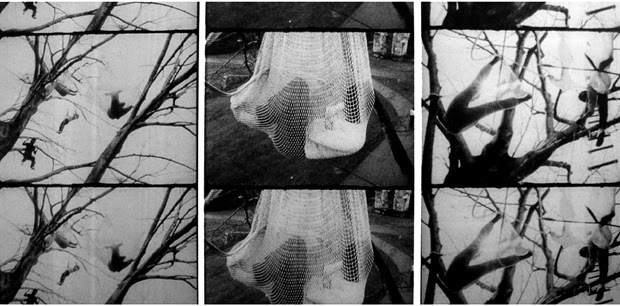
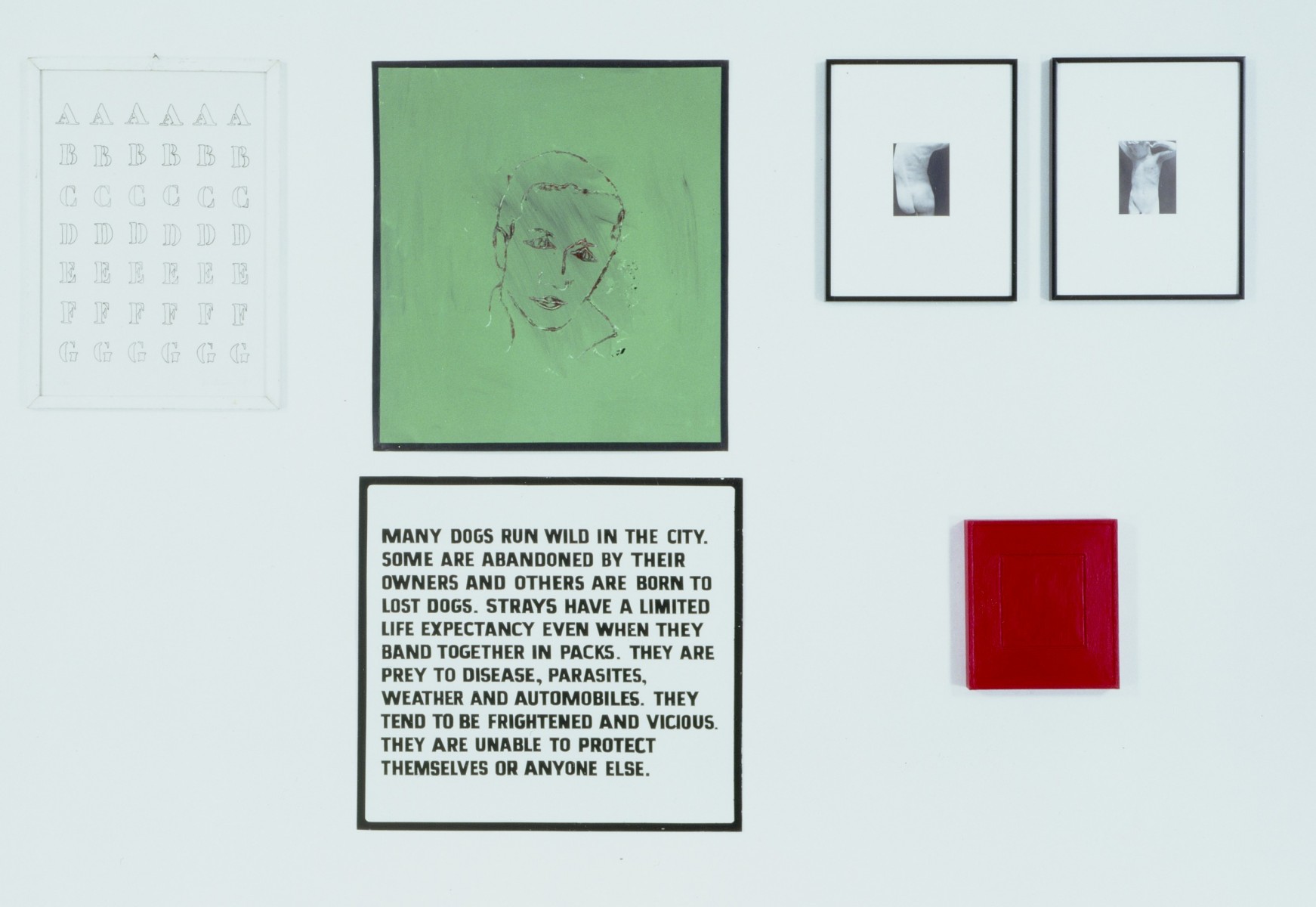
Our day-to-day lives are saturated with images. In the twenty-first century, photographs are rapidly made, circulated, reposted, cropped, repeated, and turned into memes. While the scale and pace of image sharing has certainly increased in the digital age, the conditions of the reproduction, breakdown, and scattering of images into new and often fragmented forms have always been a part of photography. For many artists, the rise of digital photography has reinforced an interest in the tactile and visceral possibilities of analogue processes.
“Photography” has always encompassed a broad umbrella of experimental and technical practices. In fact, photography was born of experimental drive. The inventors of the first photographic processes–Joseph Nicéphore Niépce, Louis-Jacques-Mandé Daguerre, and William Henry Fox Talbot–all set out with the same goal of fixing a permanent image created by the action of light with the inpermanent camera obscura. Doing so required a number of technical advancements, including finding stable emulsions and chemistry to make images visible and permanent. These inventors succeeded in making lasting images–Niépce in 1826, Daguerre in 1839, and Talbot in 1840–using unique development processes. While the resulting calotype and daguerreotype processes quickly became popular, they did not mark the end of experimenting with process. Rather, these earliest processes emphasized photography’s inherently experimental nature. They established scientific formulas for making photographs, but also encouraged photographers to reformulate, tinker with, and break the rules.
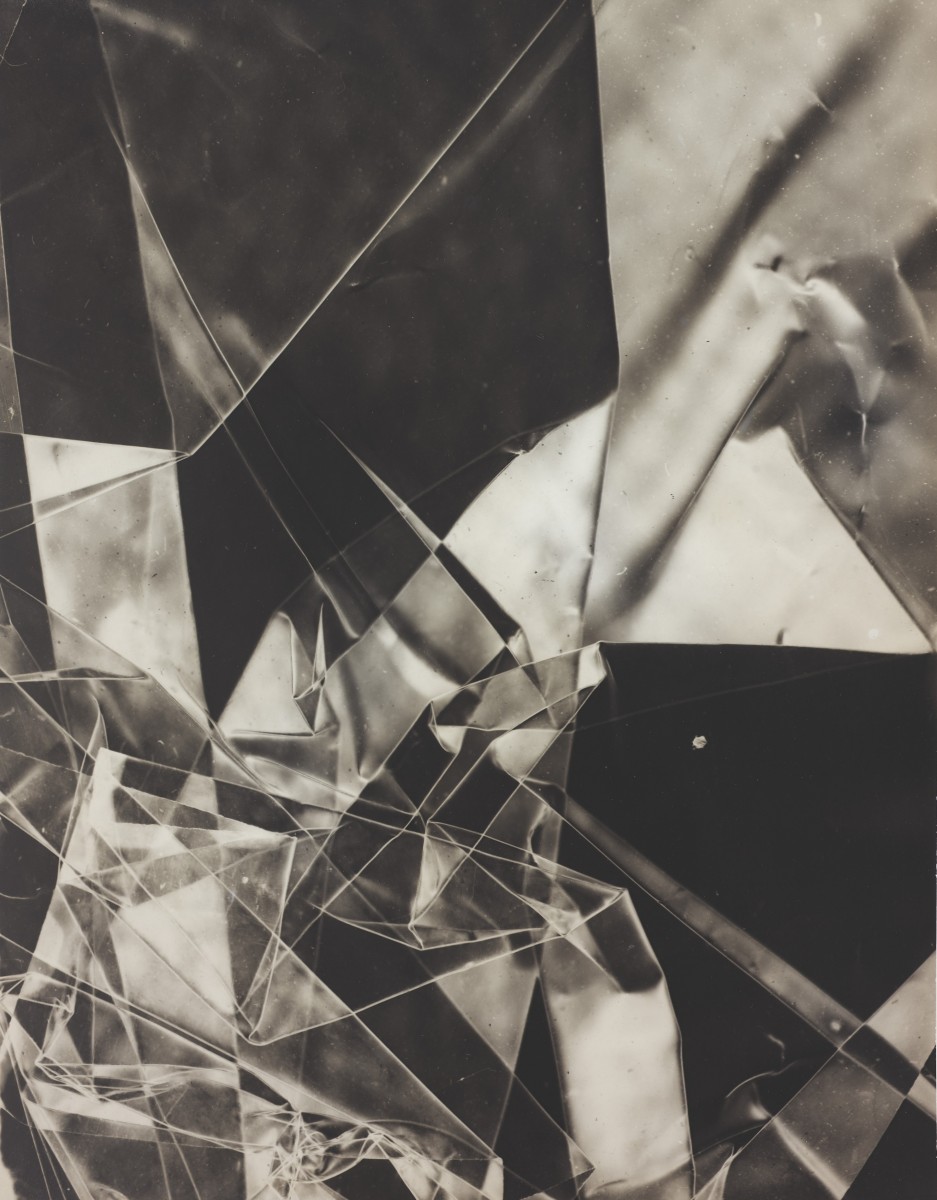
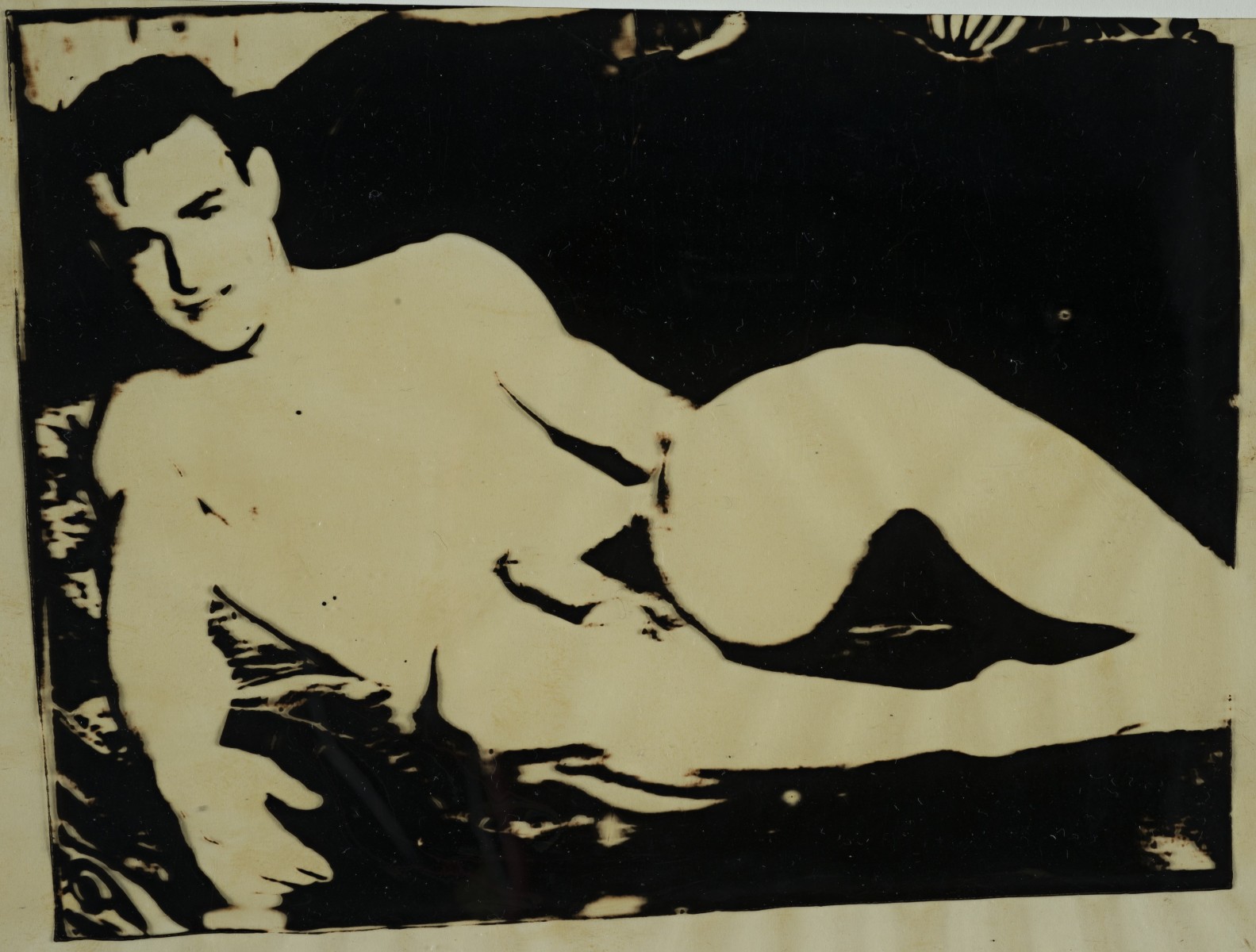
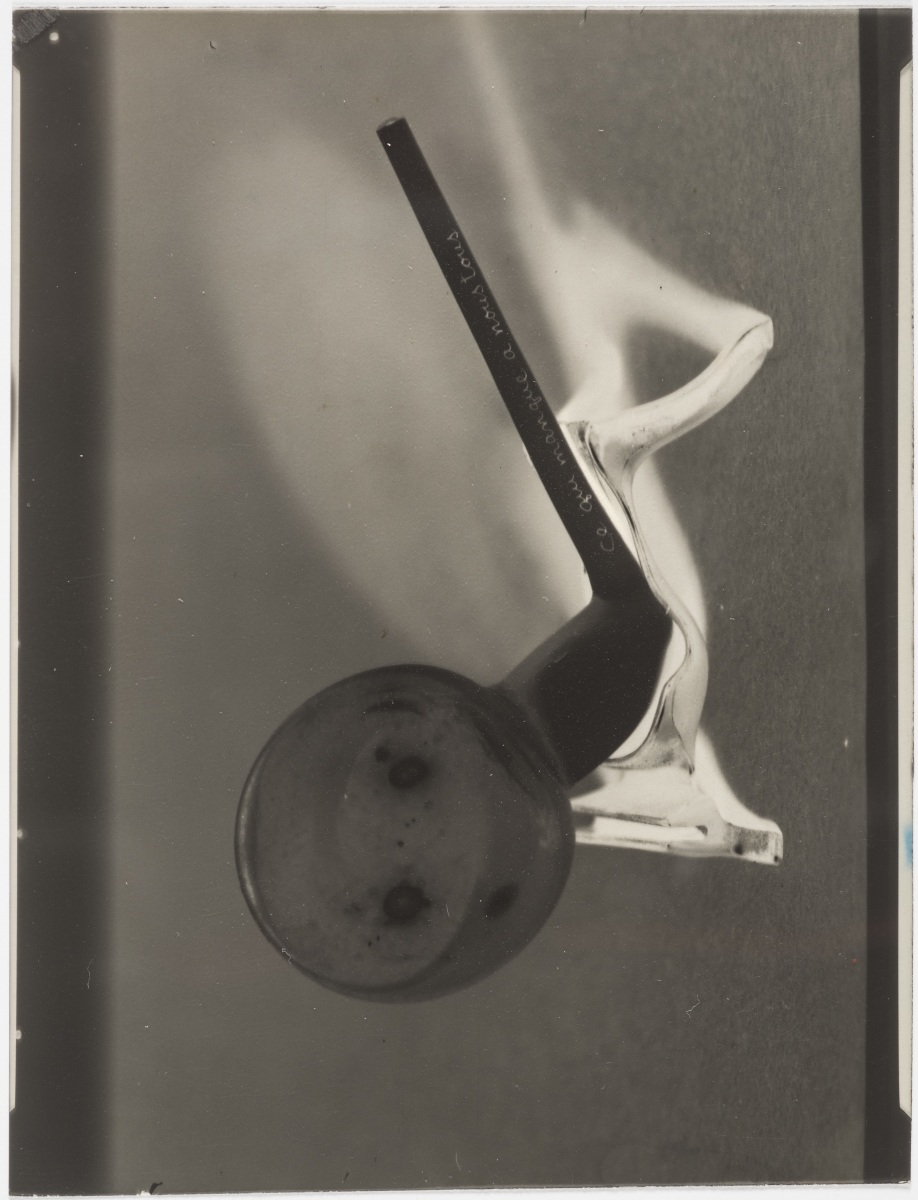
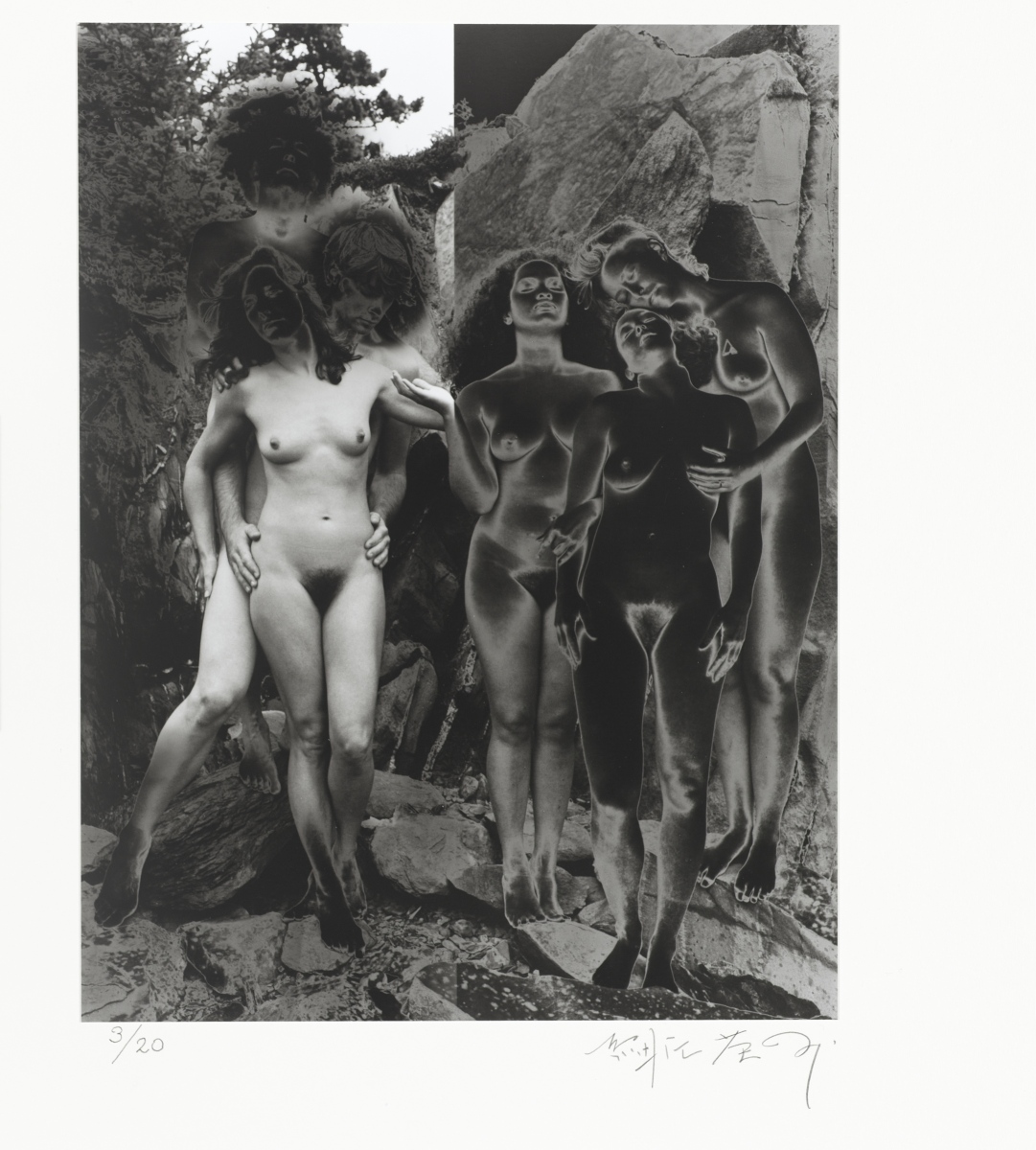
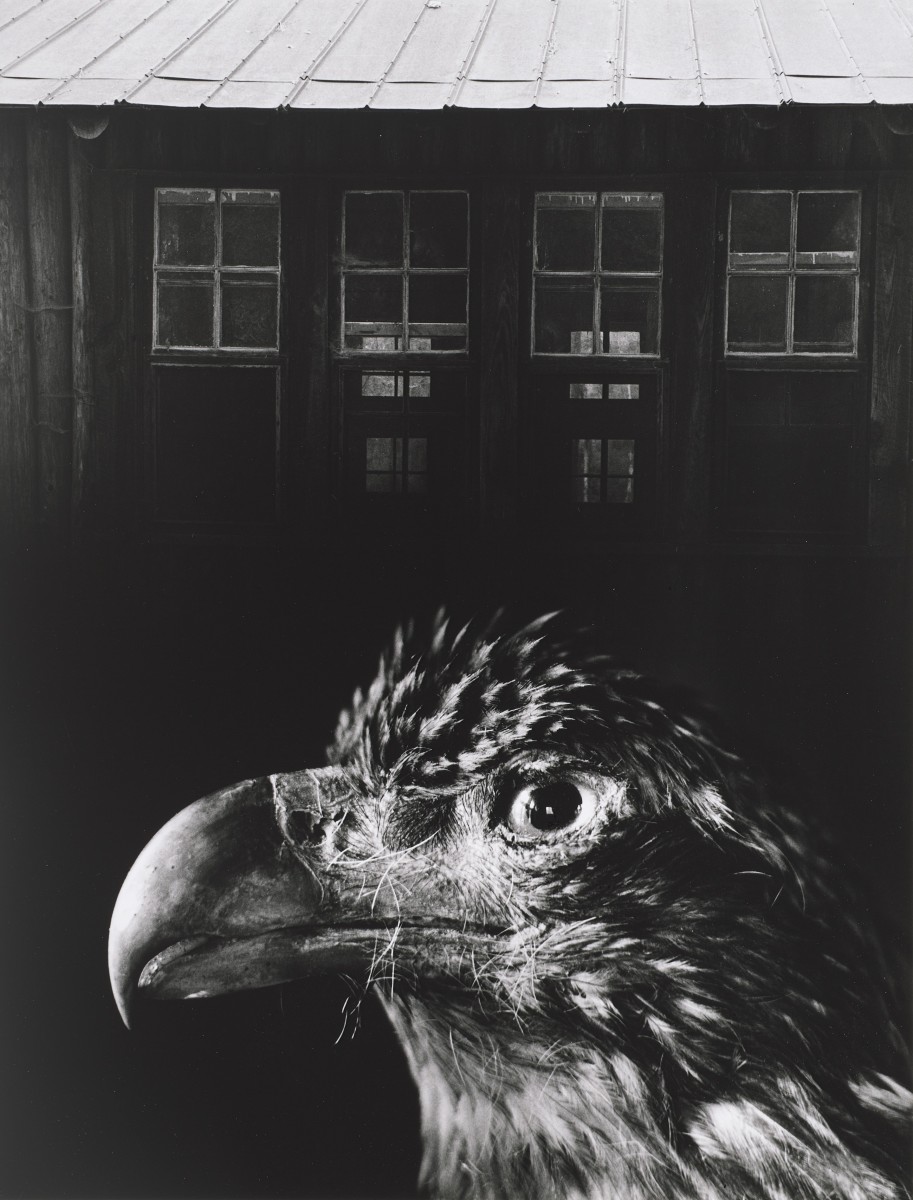
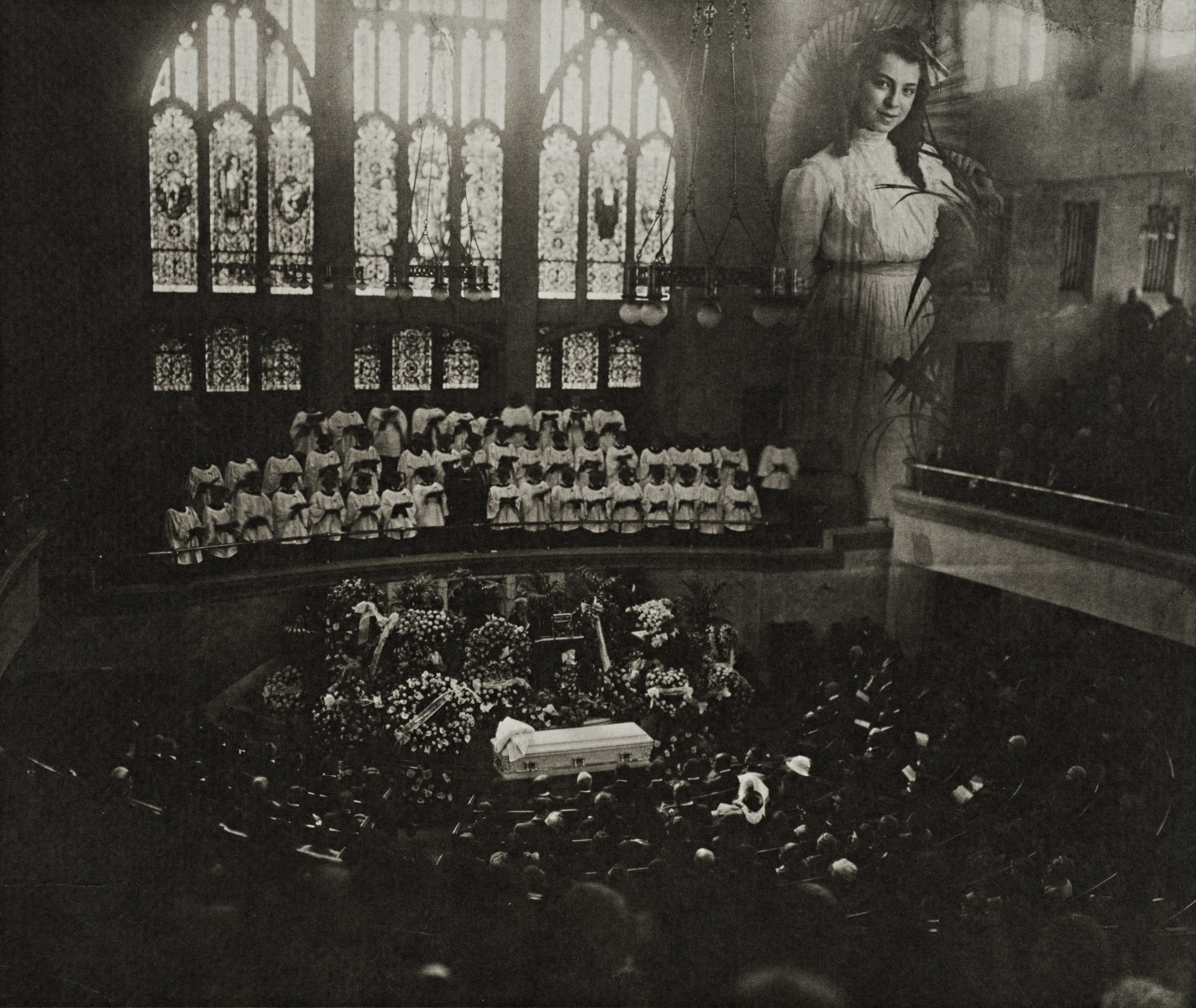
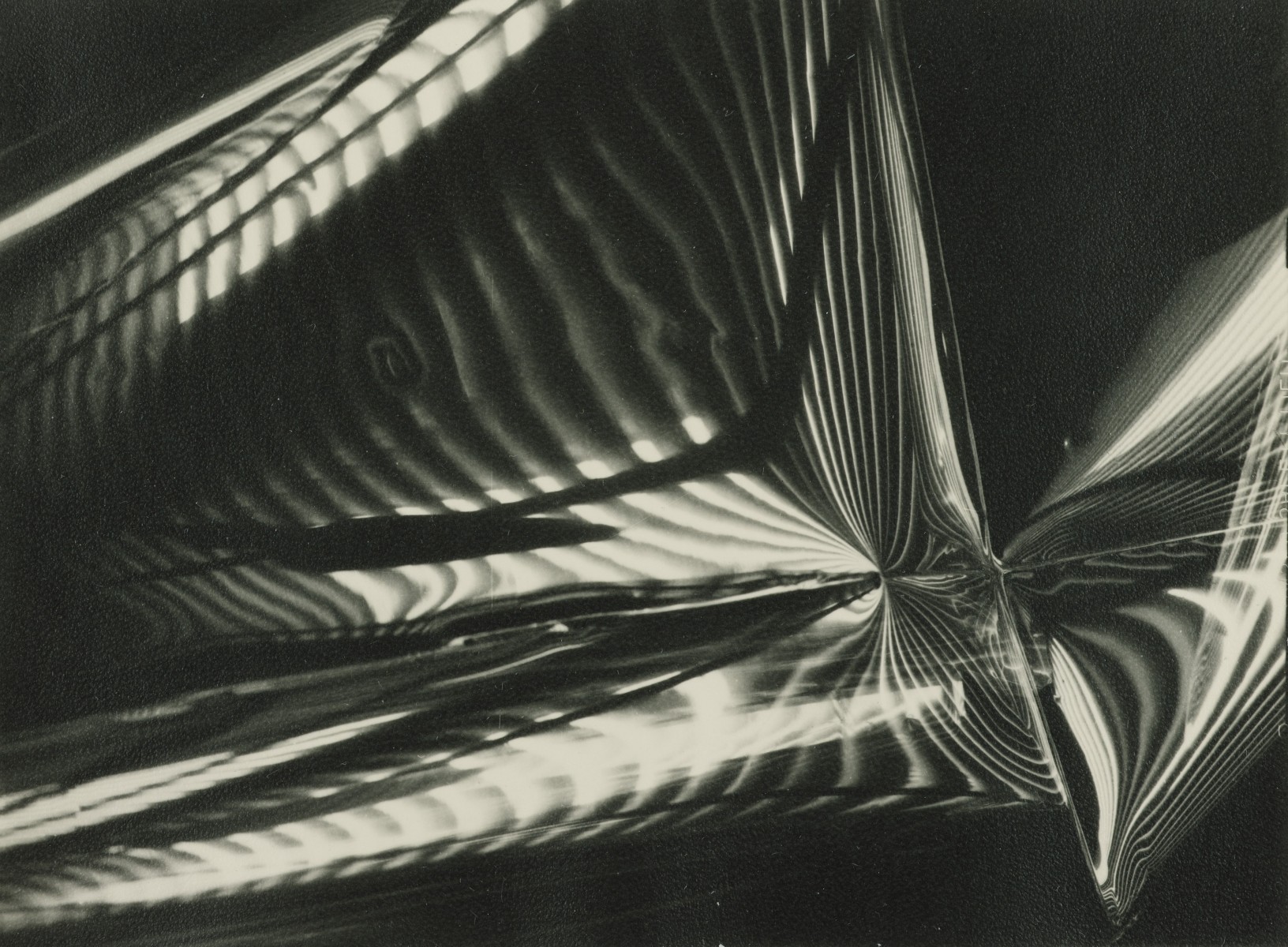
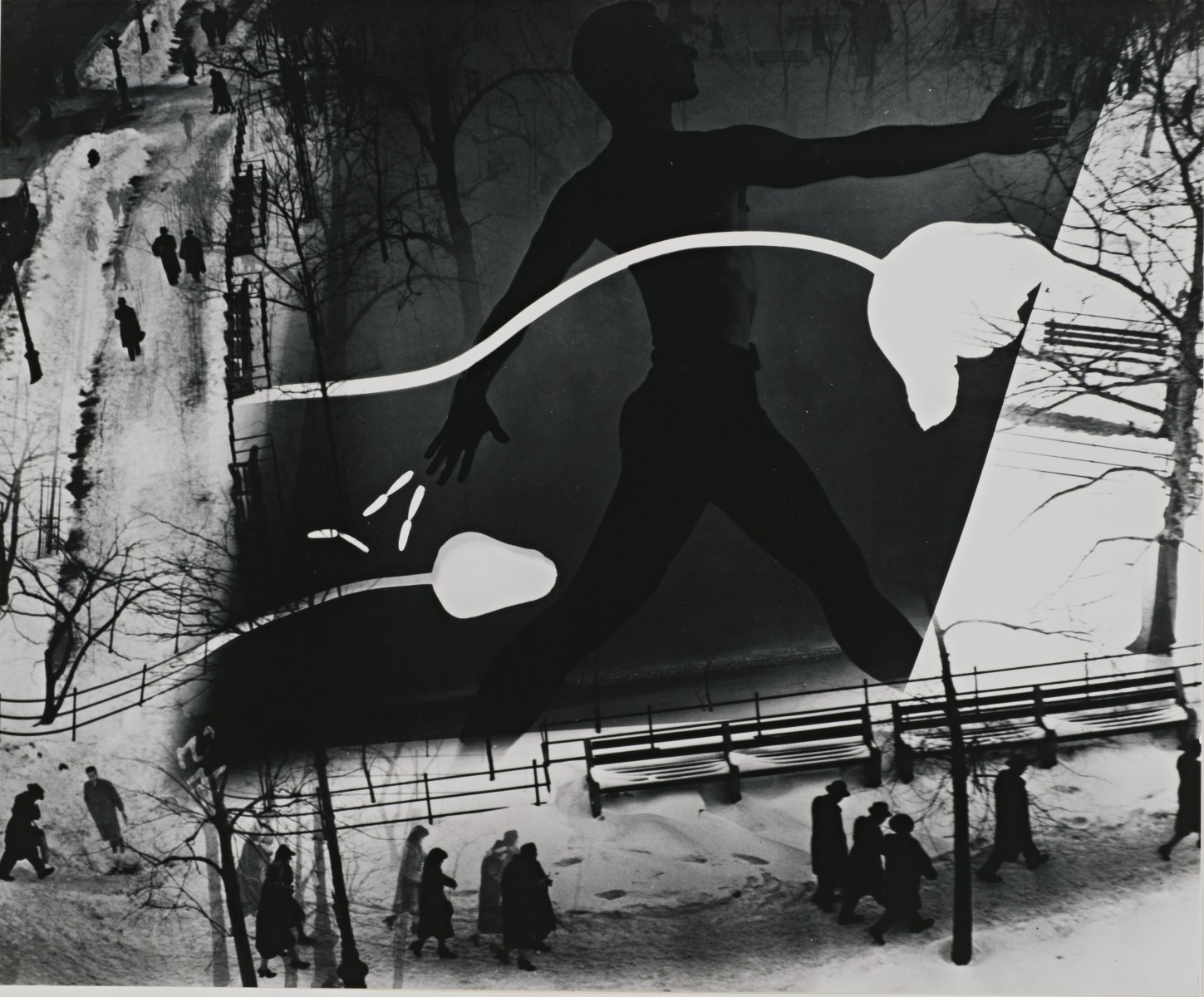
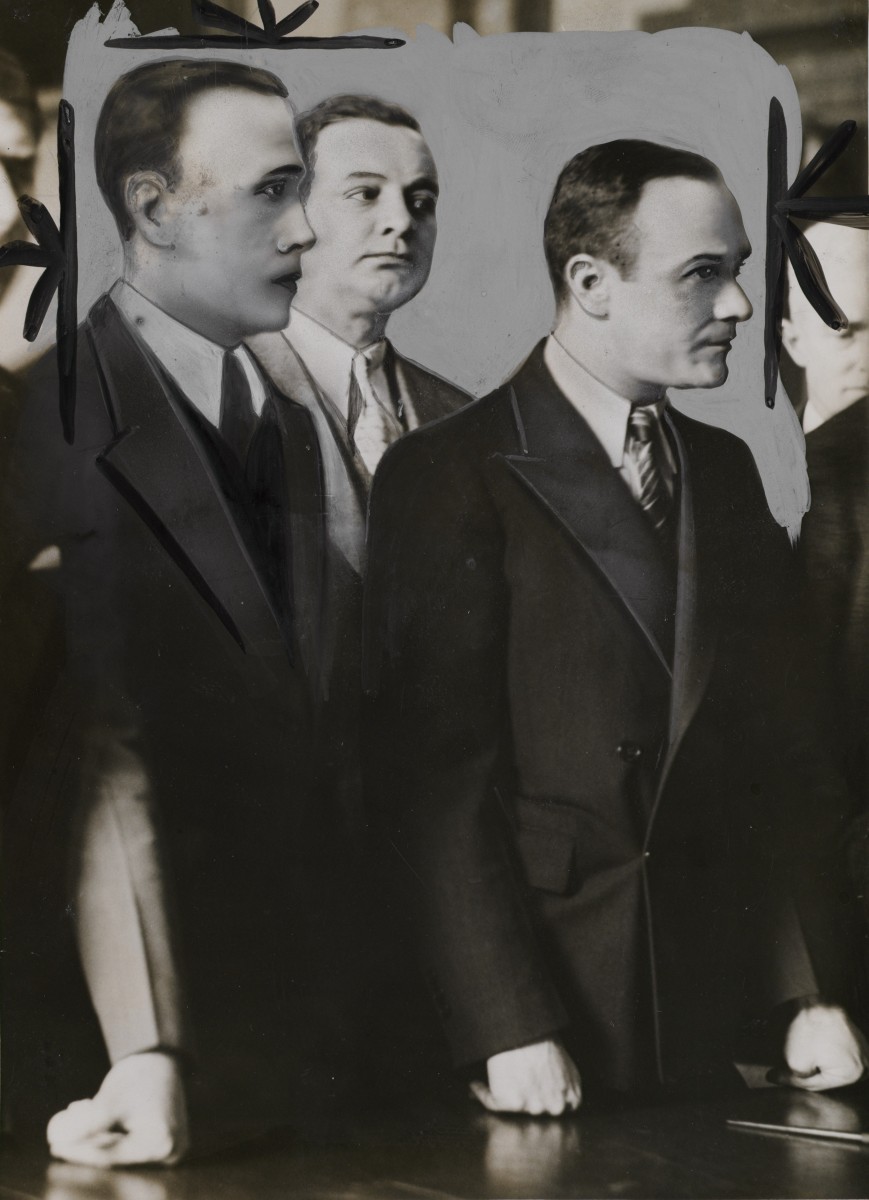
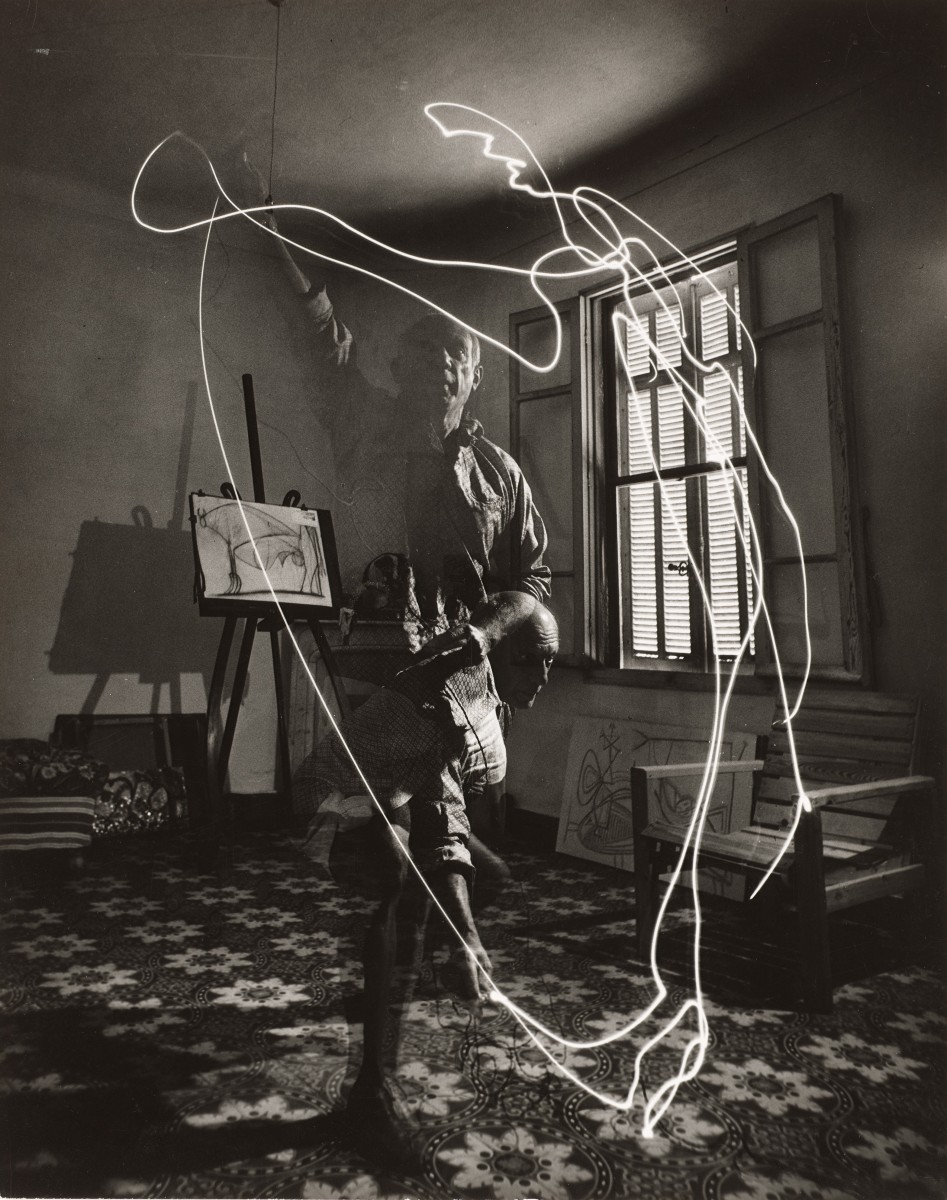
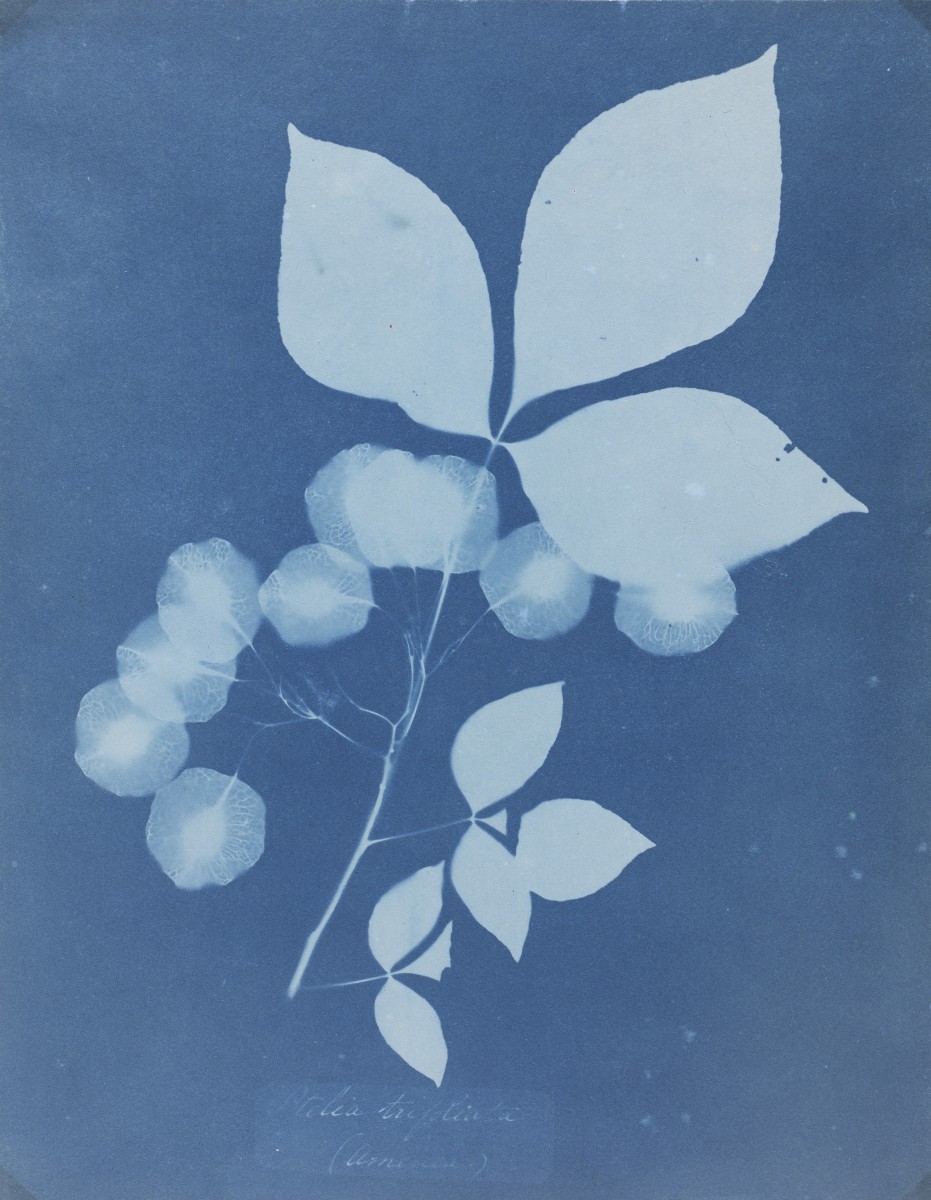
In the years following the inventions of the daguerreotype and calotype, new and alternative processes including the cyanotype, wet plate collodion, platinum-palladium, silver gelatin, and, eventually, color processes provided photographers with even greater creative freedom when producing negatives and prints. Each yielded unique aesthetic and material qualities; photographers made further modifications through techniques including photomontage, multiple exposure, combination printing, toning, dodging and burning, and cameraless techniques. These techniques reinforce photography’s ability to shape-shift in content, form, and material.
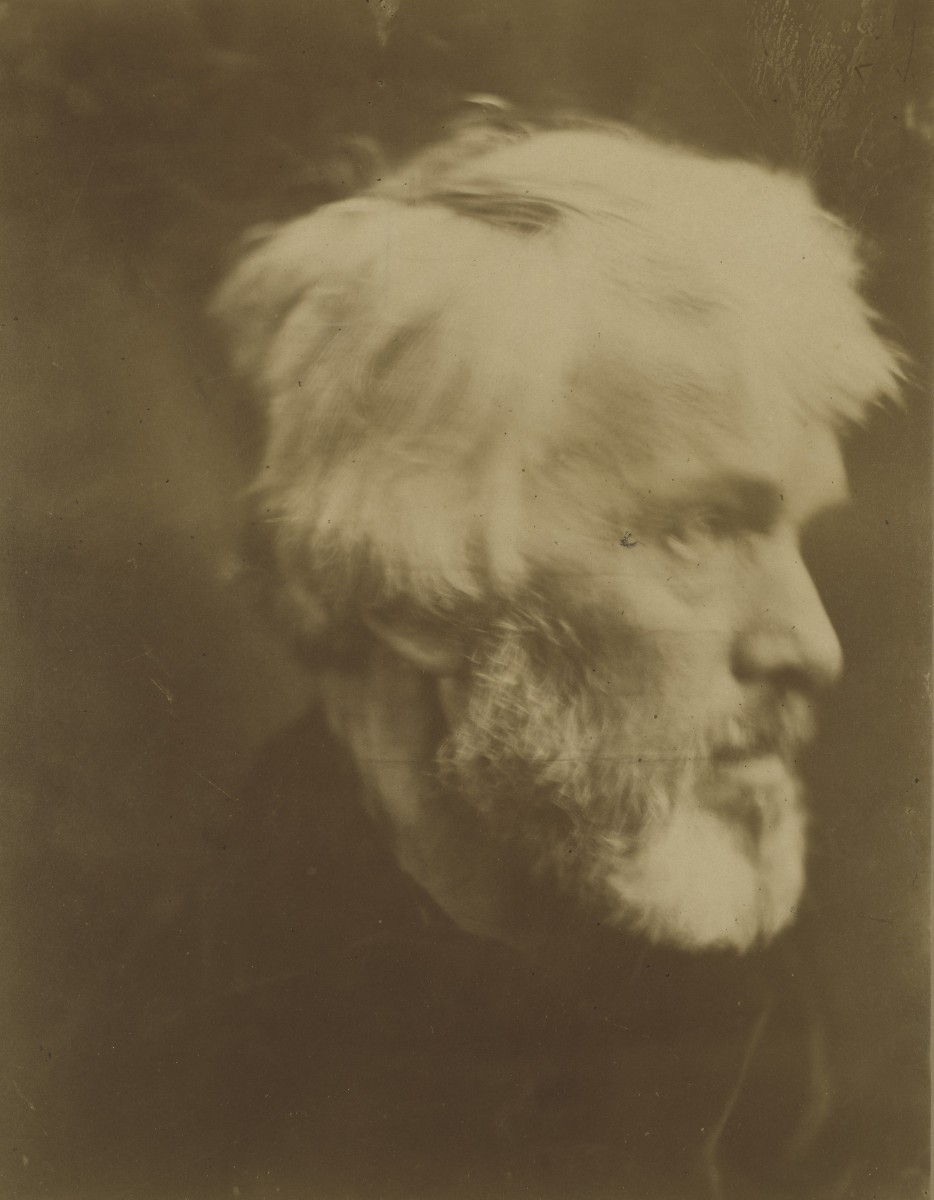
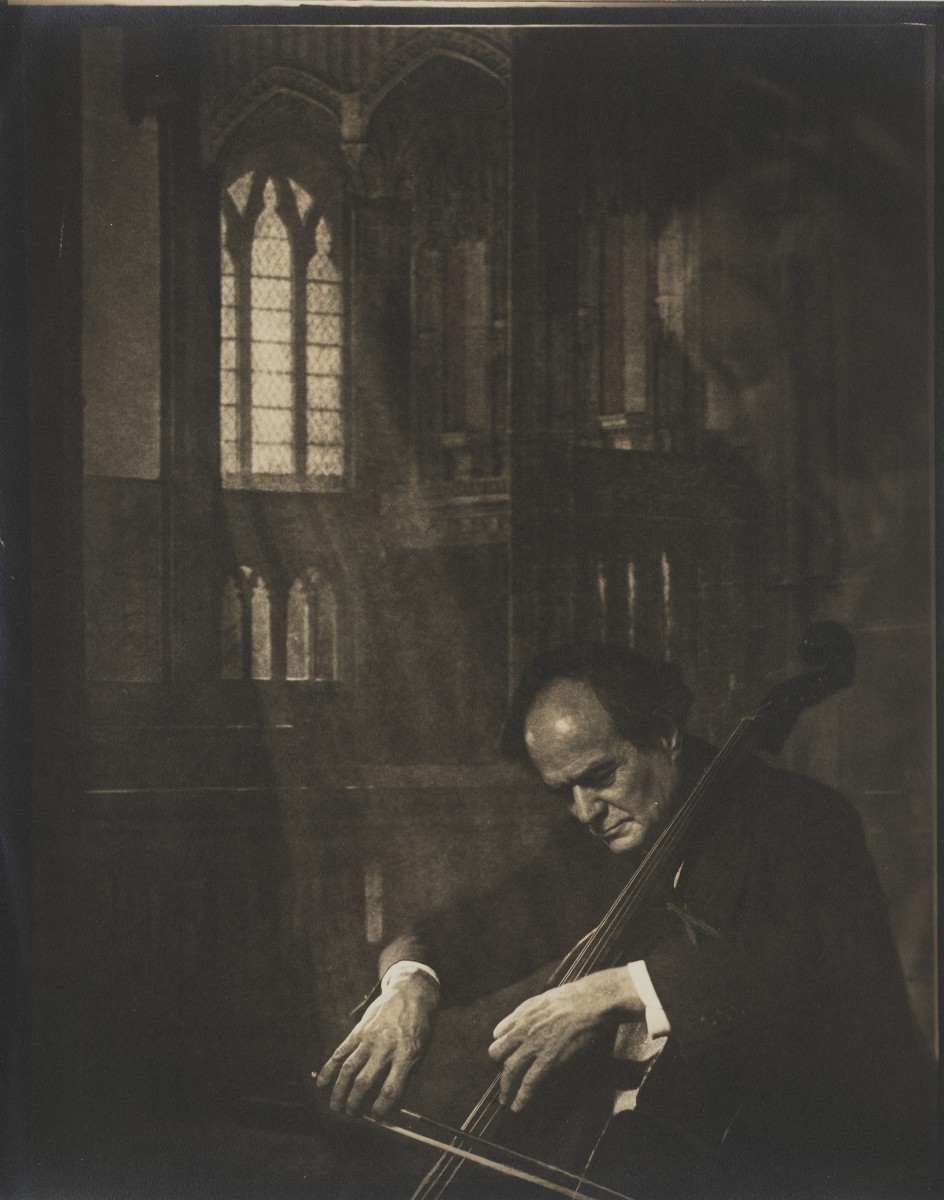
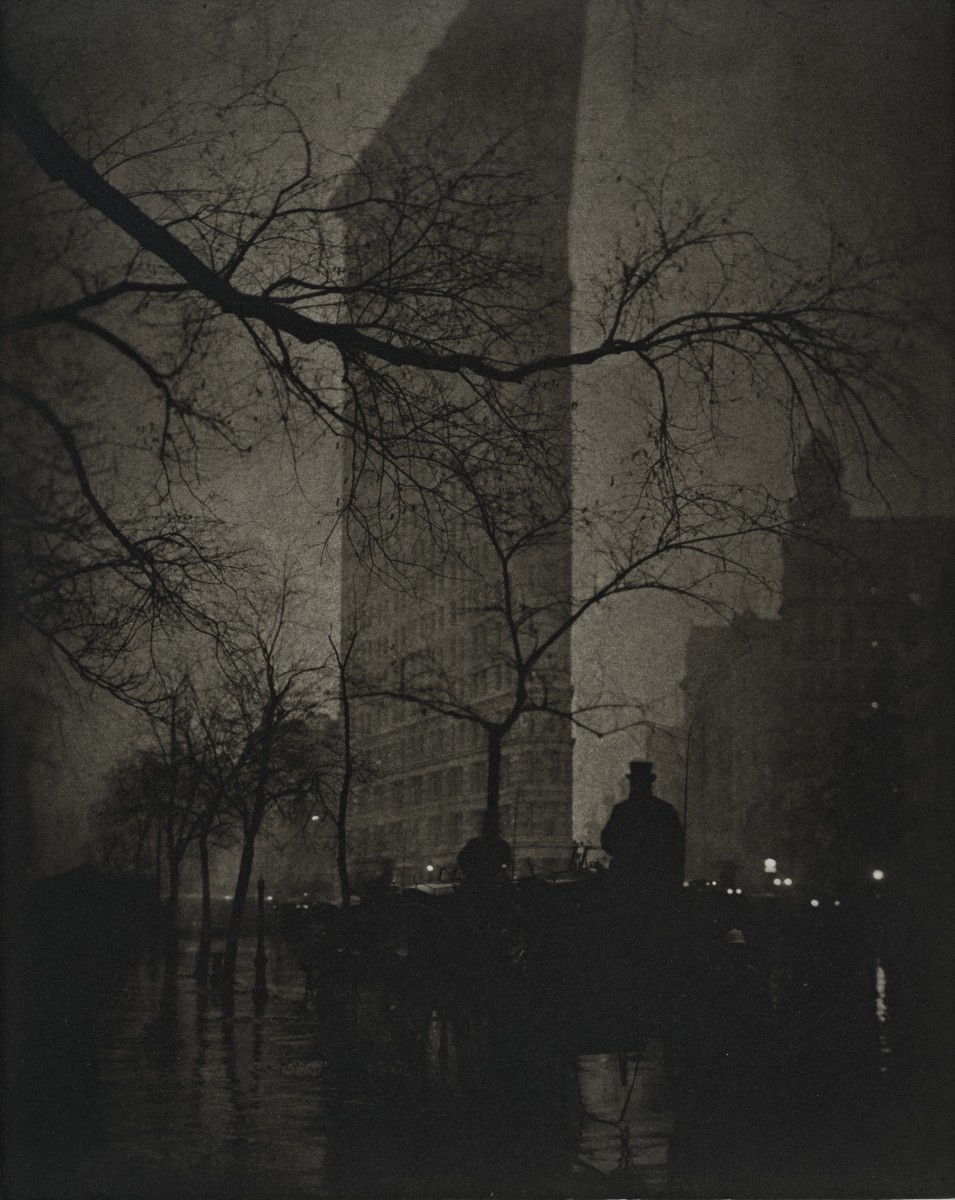
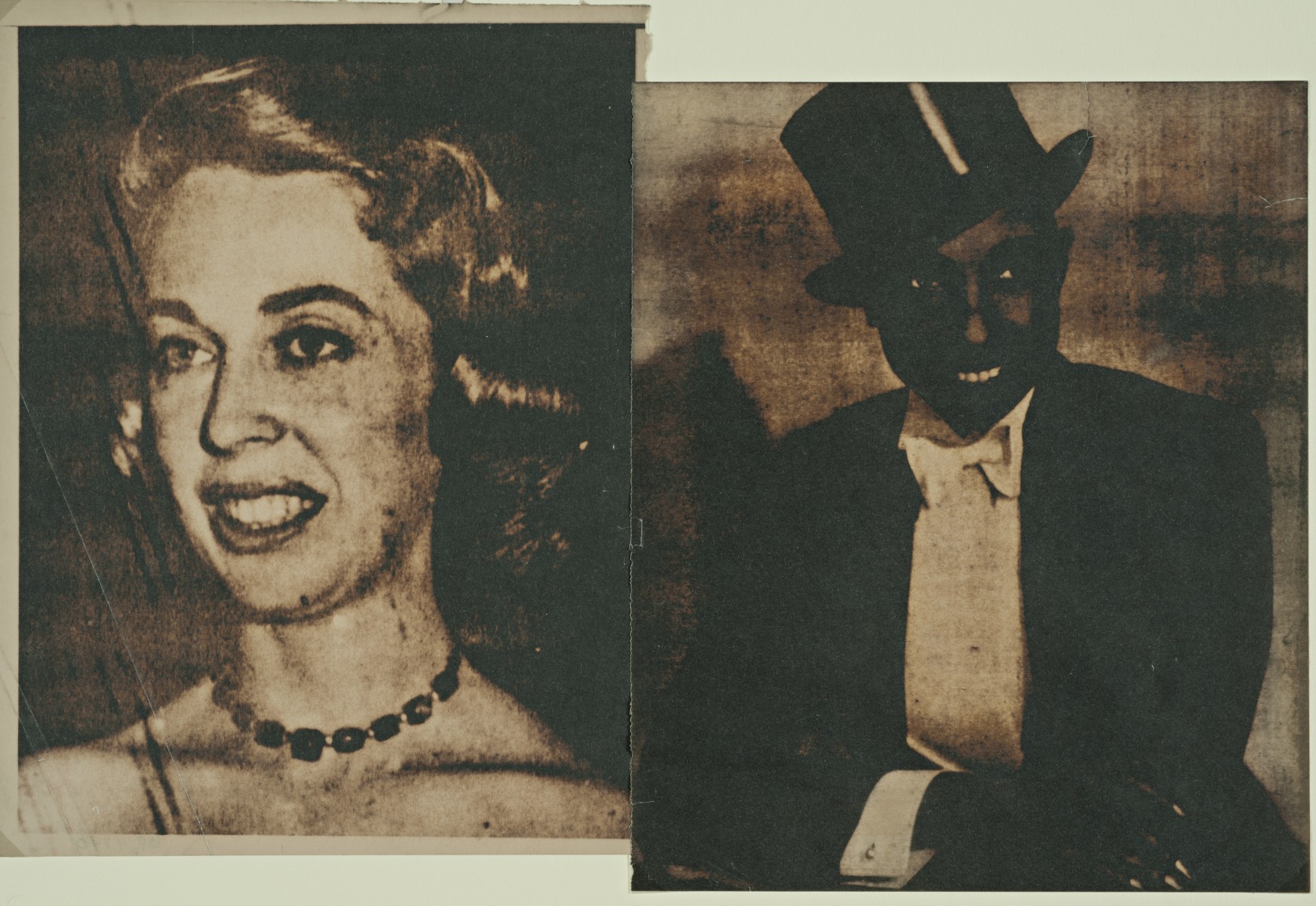
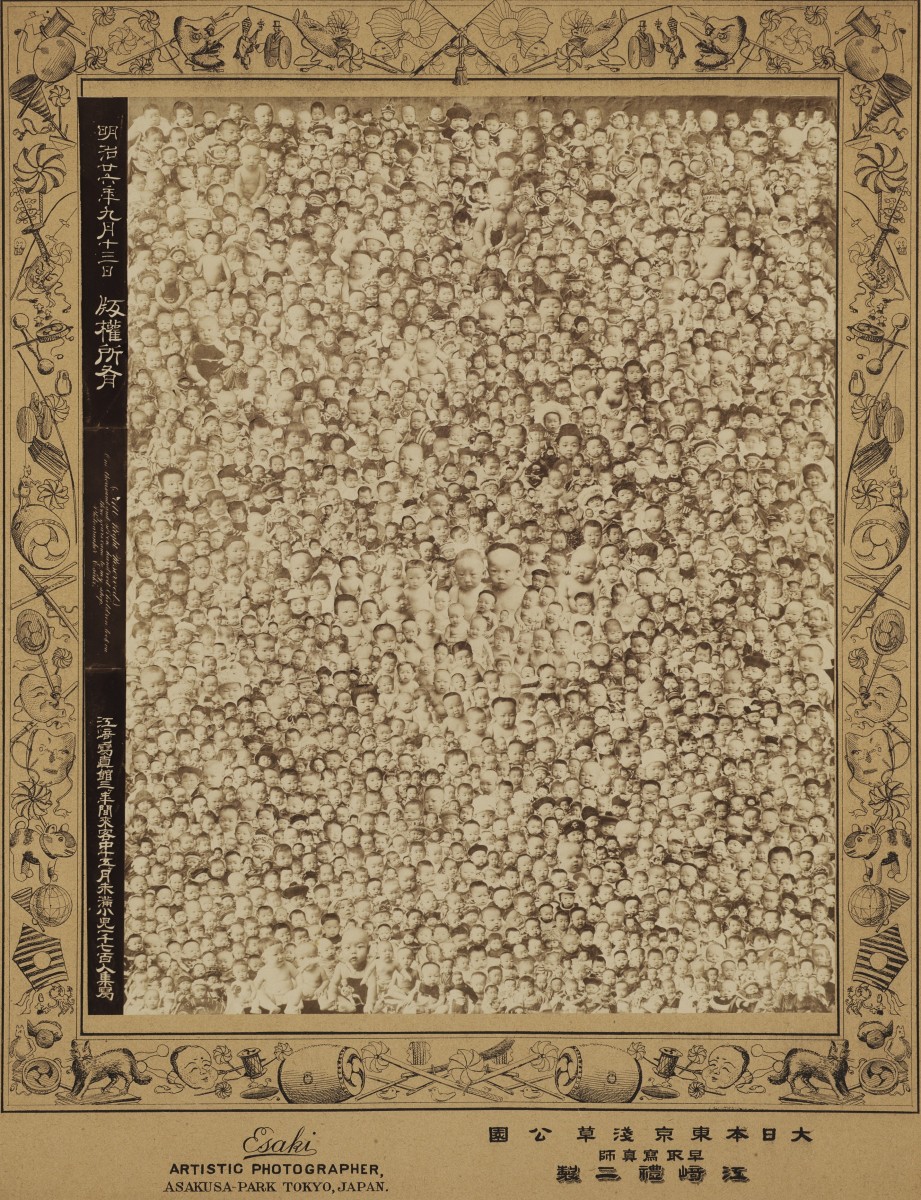
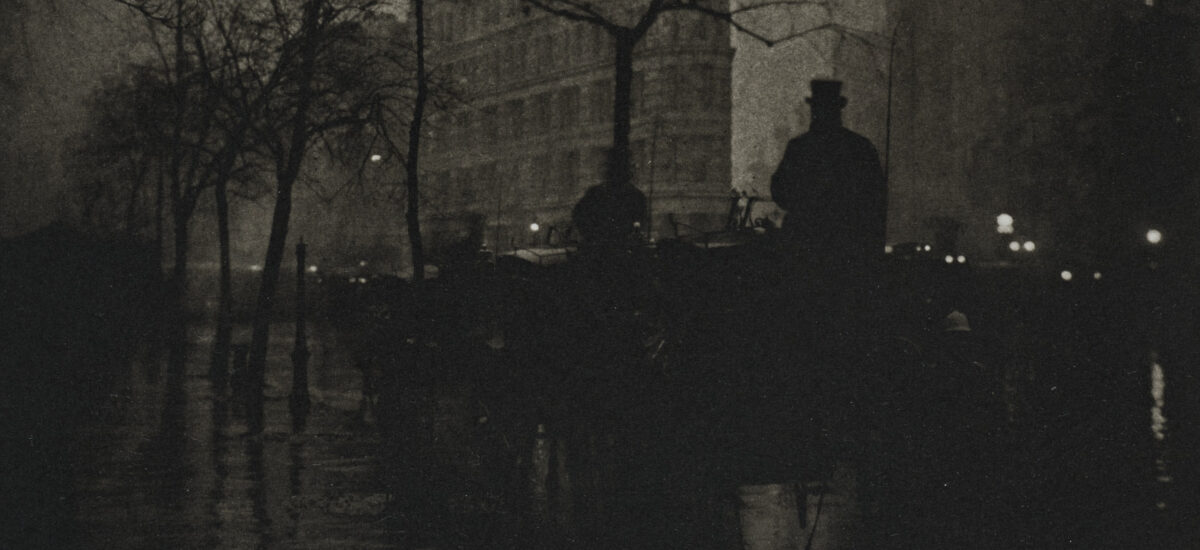
In the first half of the nineteenth century, photographers applied a breadth of material and chemical experimentations to increasingly diverse artistic purposes. Pictorialist and Photo-Secession movements employed techniques both inside of and external to the camera, including soft focus, filters, toning, and labor-intensive printing on fine paper to create unique and painterly prints. These movements were not only concerned with photography’s role as a fine art, but also in the value of making expressive, handmade, unique artworks. While these photographers sought to emulate painterly qualities, others sought to emphasize the medium’s mechanical nature. Accordingly, many interwar photographers–including those associated with the Bauhaus and New Vision photography–incorporated graphic design tools such as lithography, collage, and montage to intentionally multiply and reproduce images to create new image composites.
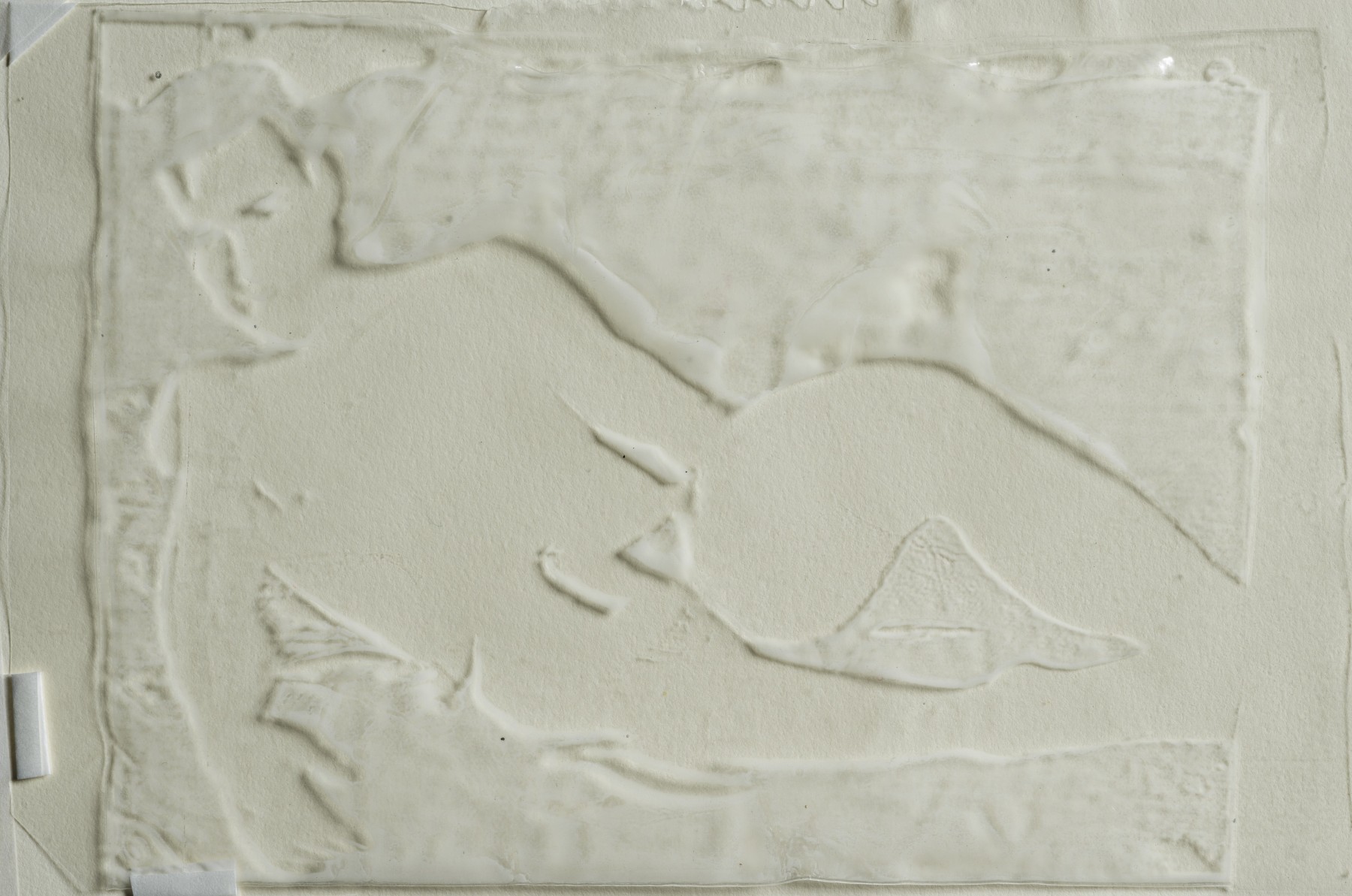
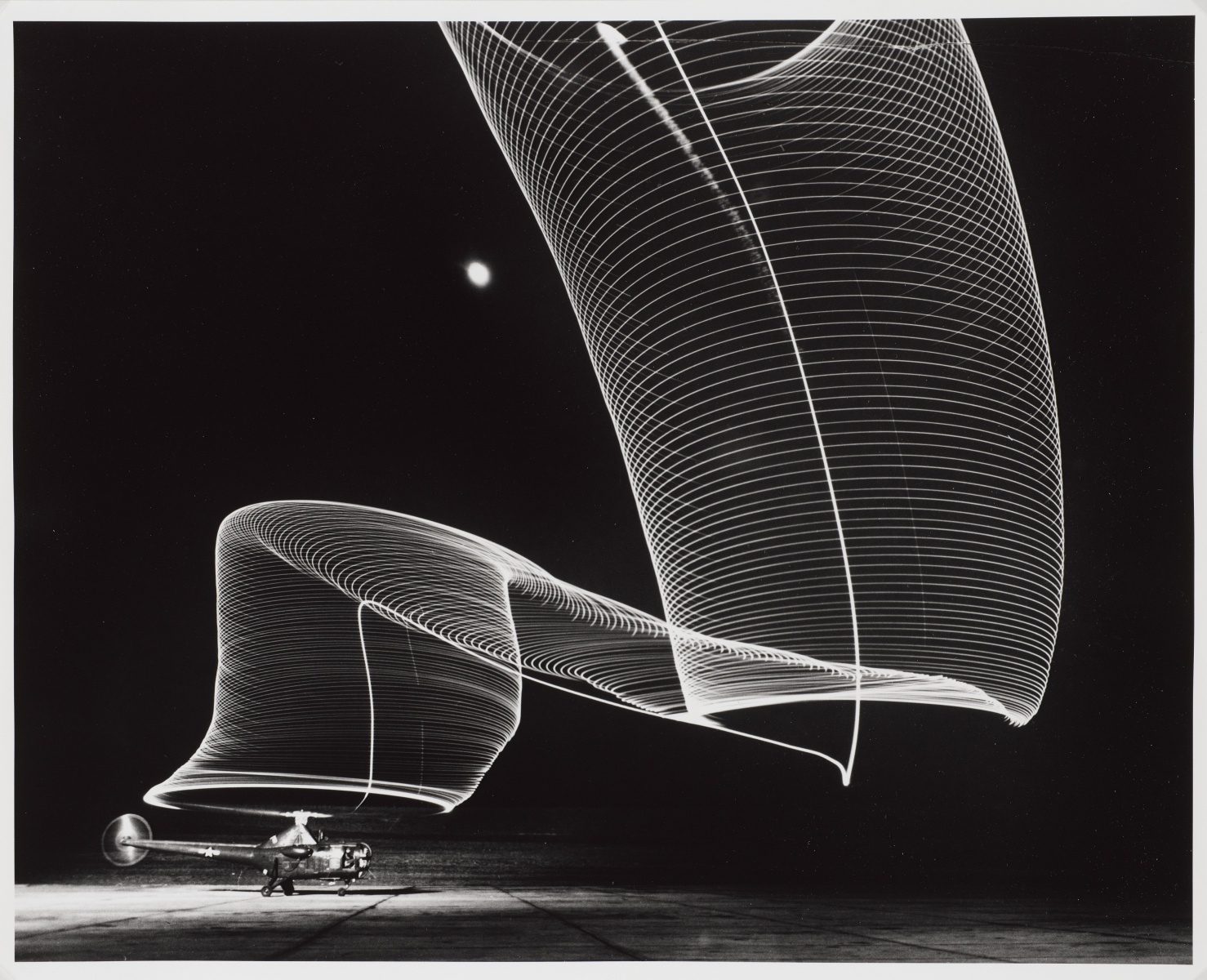
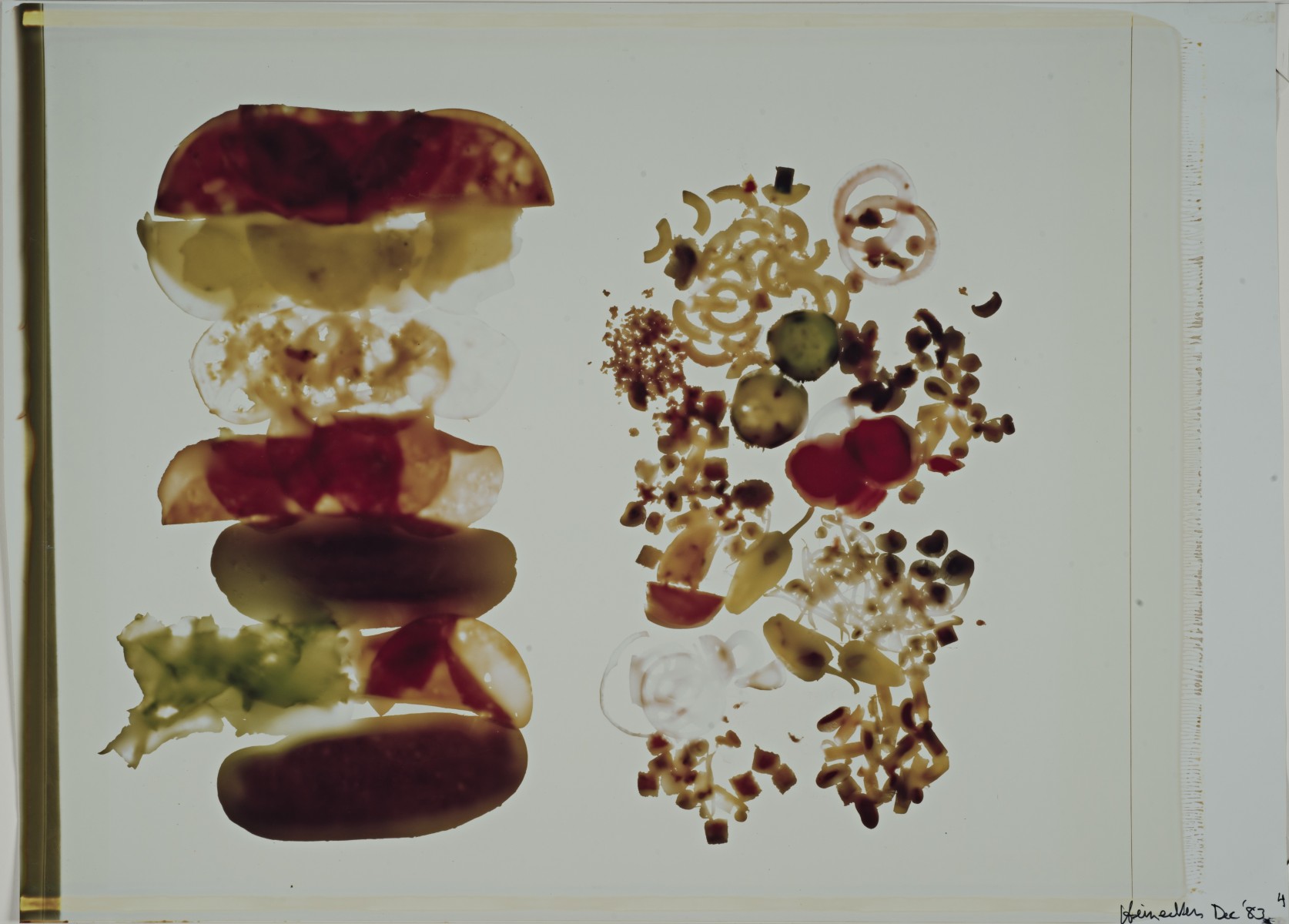
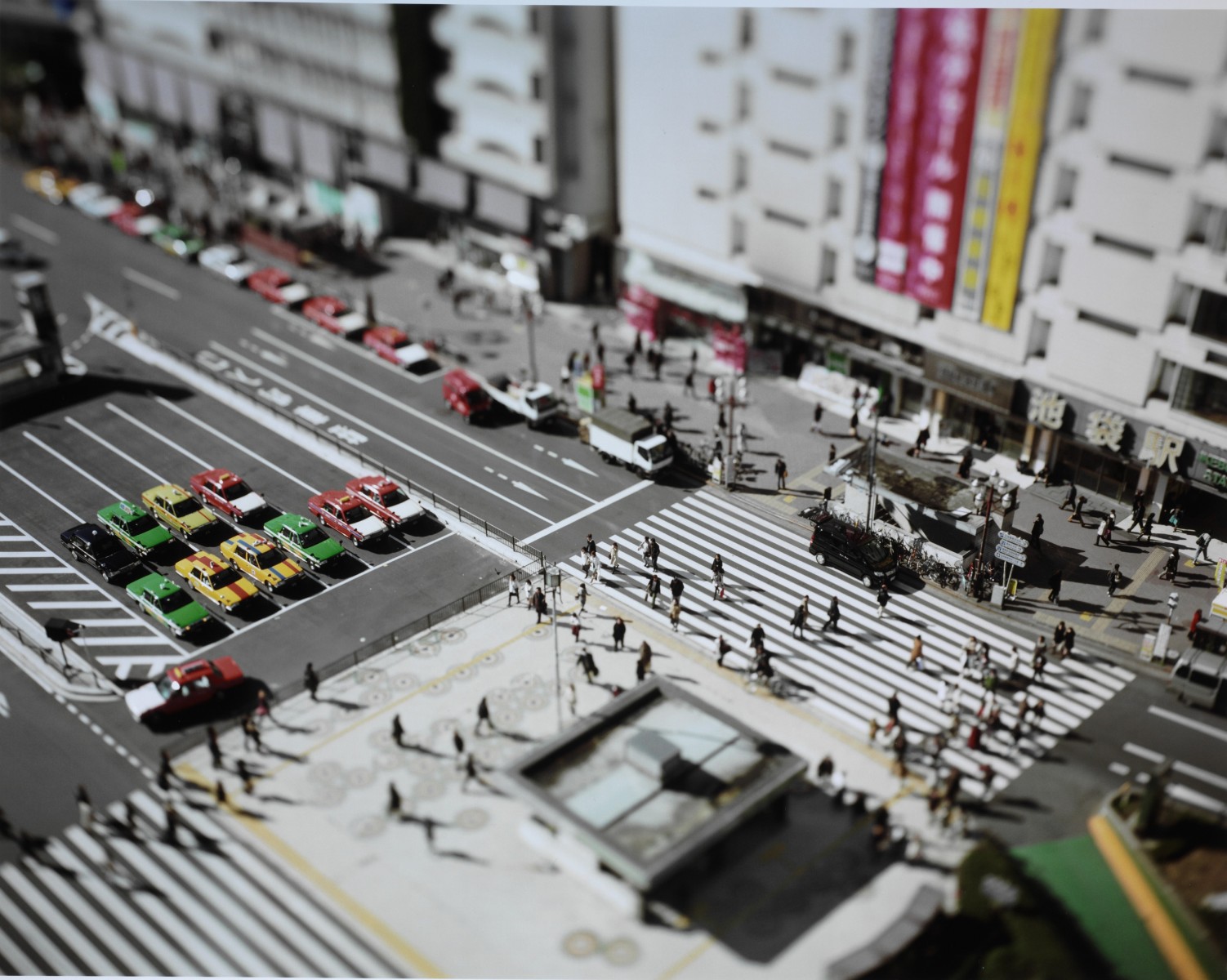
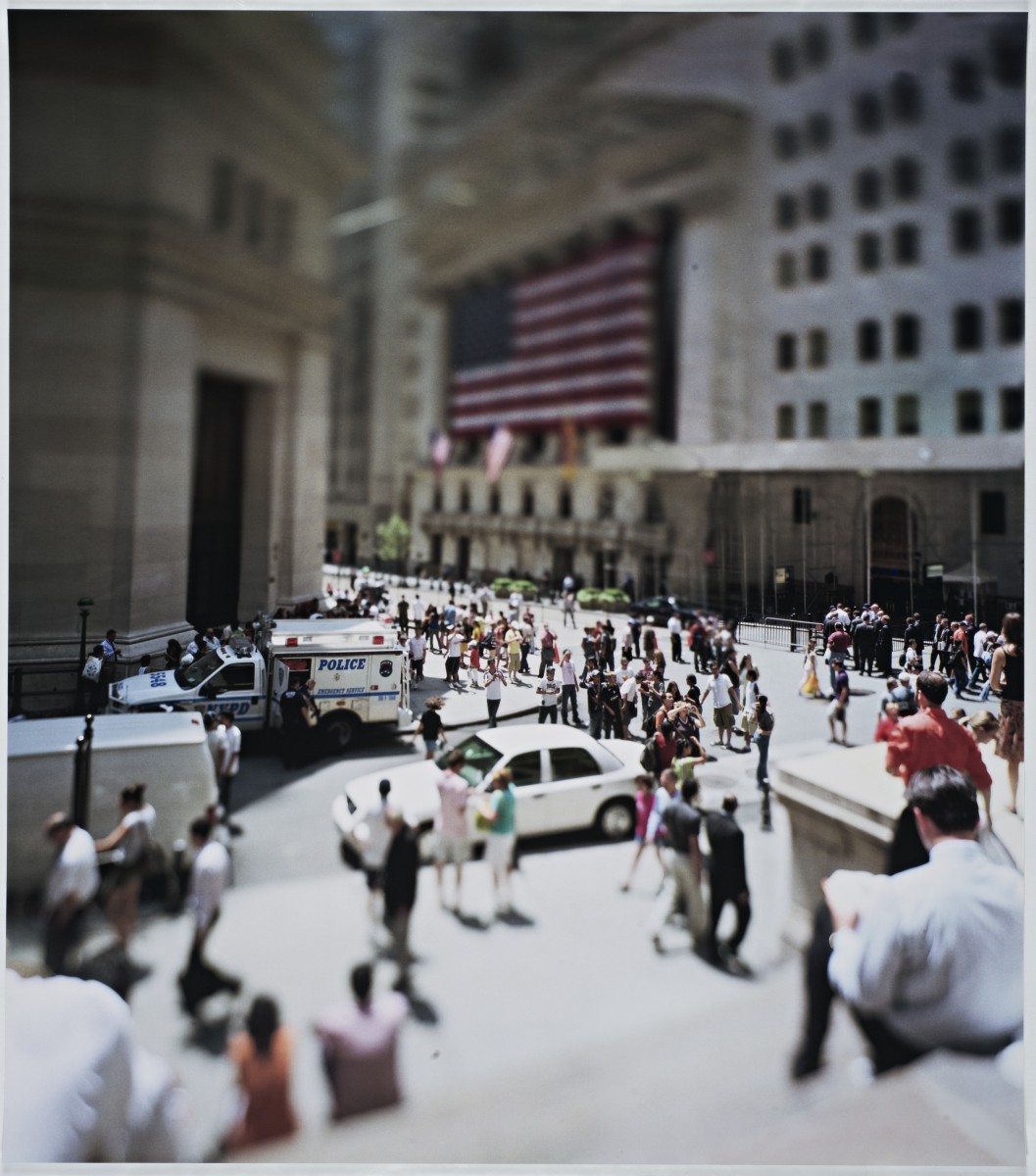
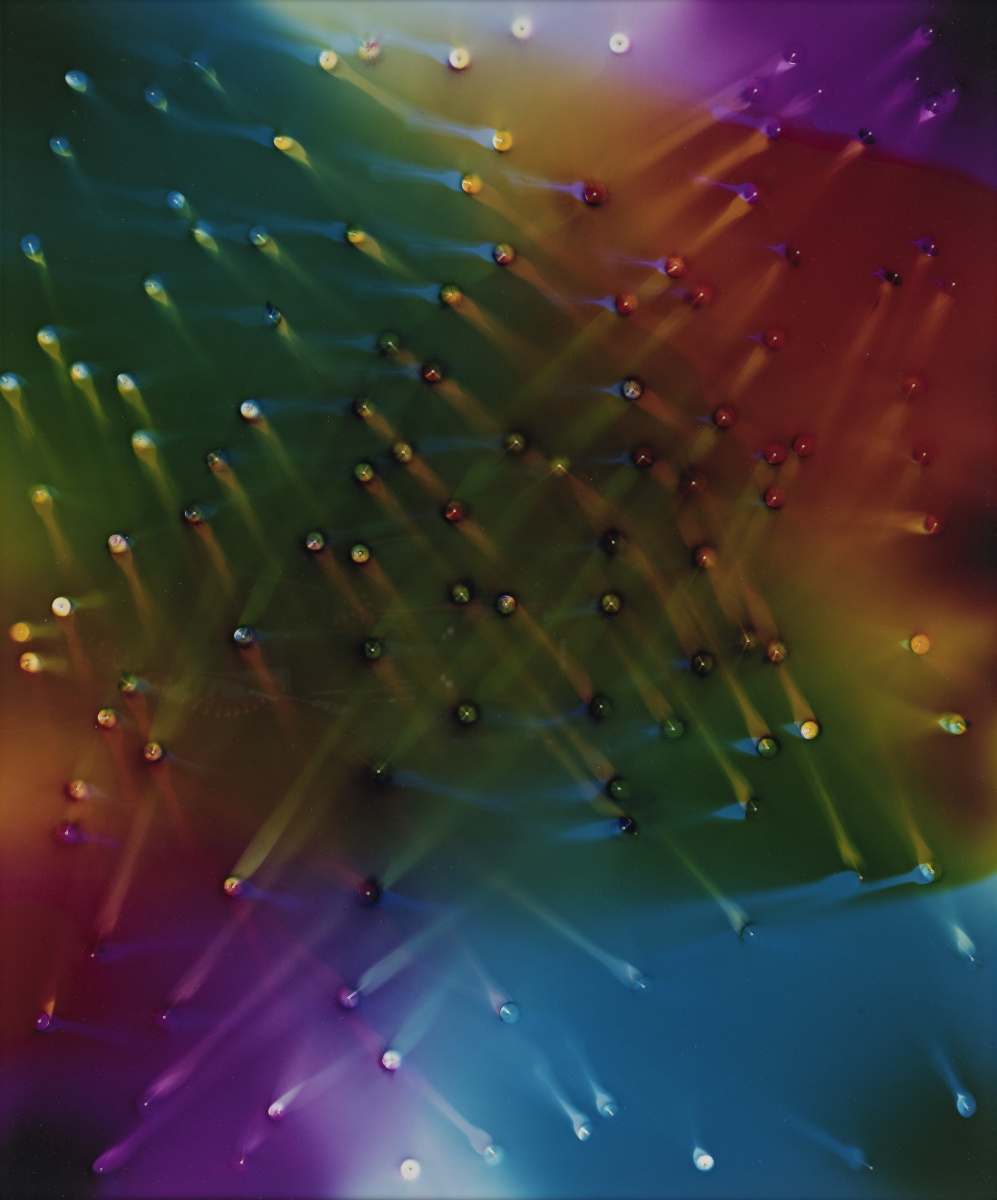
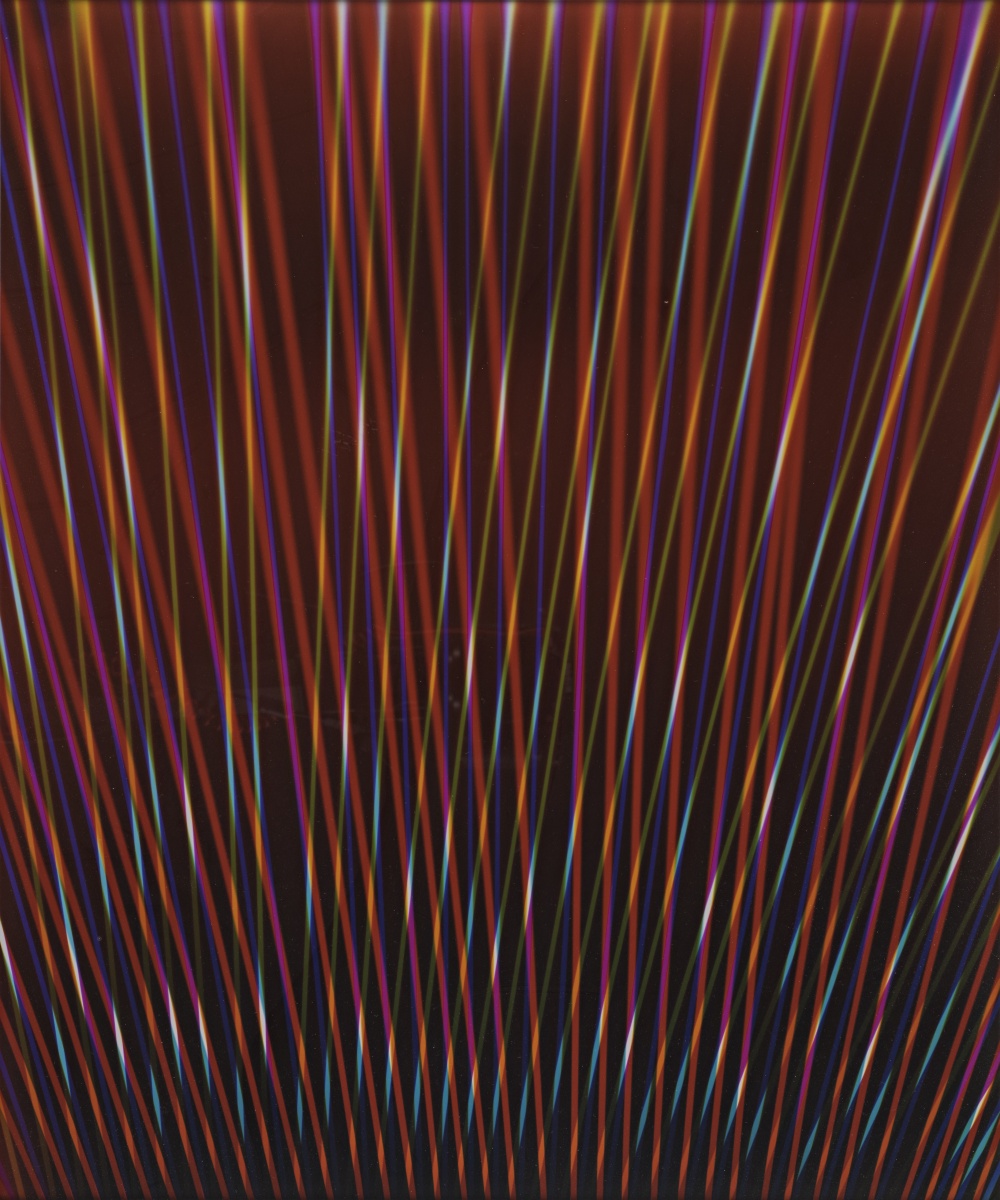
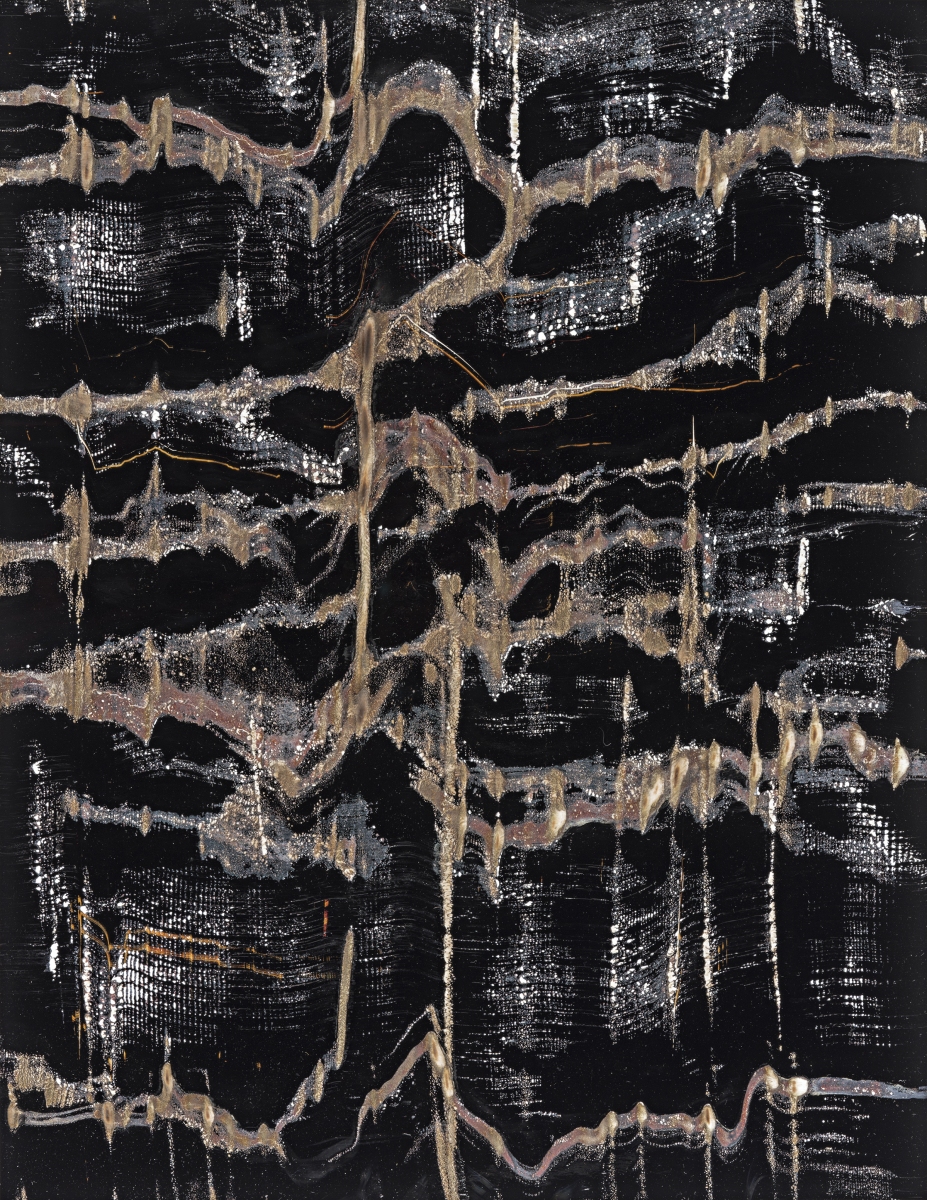
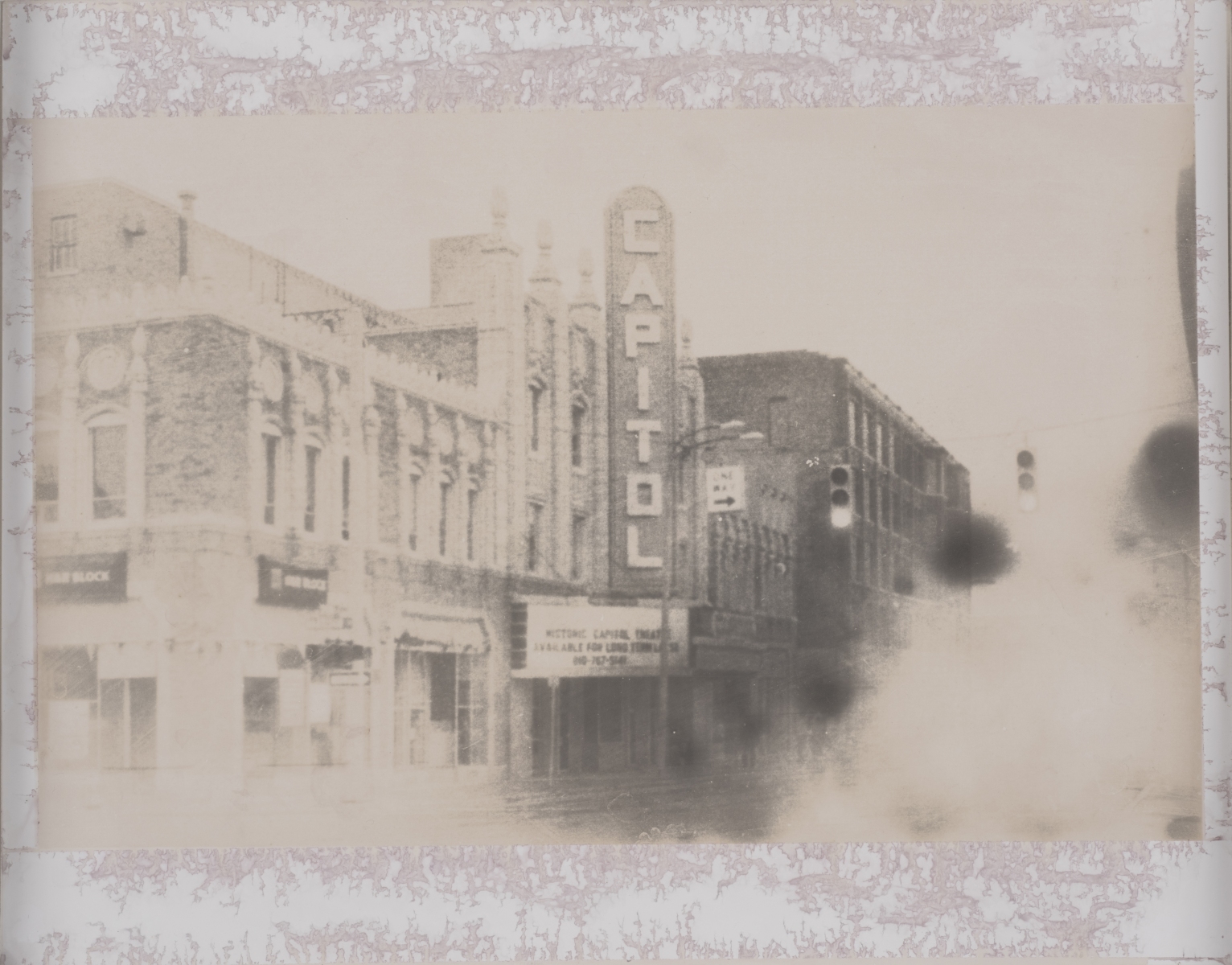
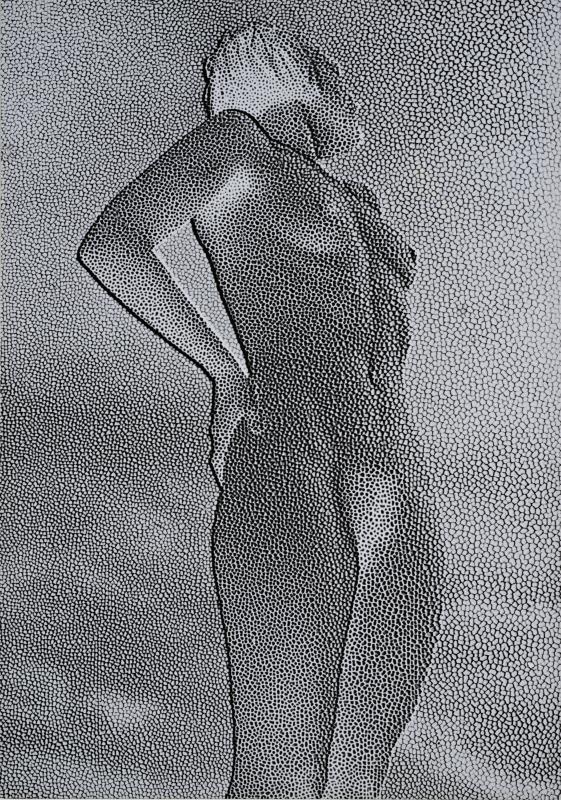
Photographic experimentation continues to take many forms today. Digital and analogue photography are hardly distinct practices, but rather exchange experimental techniques and inform hybrid modes of making. The decline of commercial analogue photography has led to a do-it-yourself approach among photographers; artists develop their own film, modify existing cameras, and perfect individual chemical combinations and workflows. Through physical manipulations, photographers tailor their medium to express both broader and more personal views of the world. Photography’s many material iterations demonstrate its boundlessness as a medium, making its edges impossible to define. Photography does not merely afford transparent “mirrors and windows” onto the world. Rather, it reveals subjectivities and allows us to see with a multiplicity and a diversity beyond our own eyes.
Cassie Jain, Post-Baccalaureate Curatorial Fellow, 2020-21
Discussion Questions
- Why has photography’s status as an art form, versus as a tool for depicting the world as it is, been so hotly debated through the medium’s history? What is at stake in defending or denying photography as “art”?
- How does digital photography and its online circulation disrupt the-art-versus-machine dichotomy in photography?
- Is there any such thing as a “pure” or “unaltered” photograph?
- How have artists’ experiments with technique and materials changed our understanding of what photography is?
Further Reading
- Hito Steyerl, “In Defense of the Poor Image,” e-flux, Journal #10 (November 2009).
- Laszlo Moholy-Nagy, “Production-Reproduction,” De Stijl (July 1922).
- Matthew Thompson, “The Object Lost and Found,” Aspen Art Museum (2011), http://old.aspenartmuseum.org/archive/archive_aop_thompson.html.
- Marvin Heiferman, Photography Changes Everything (New York: Aperture, 2012).
- Peter Galison, “Images Scatter Into Data, Data Gather Into Images,” Iconoclash: Beyond the Image Wars in Science, Religion and Art (Cambridge: MIT Press, 2002).
- Walter Benjamin, “The Work of Art in the Age of Mechanical Reproduction,” trans. Harry Zohn, Photography in Print: Writings from 1816 to the Present (Albuquerque: University of New Mexico Press, 1981).
- Matthew Thompson, The Anxiety of Photography. Aspen: Aspen Art Press, 2011. https://www.aspenartmuseum.org/exhibitions/104-the-anxiety-of-photography
Checklist of Photographs
Featured Objects