Anna Atkins (English, 1799-1871)
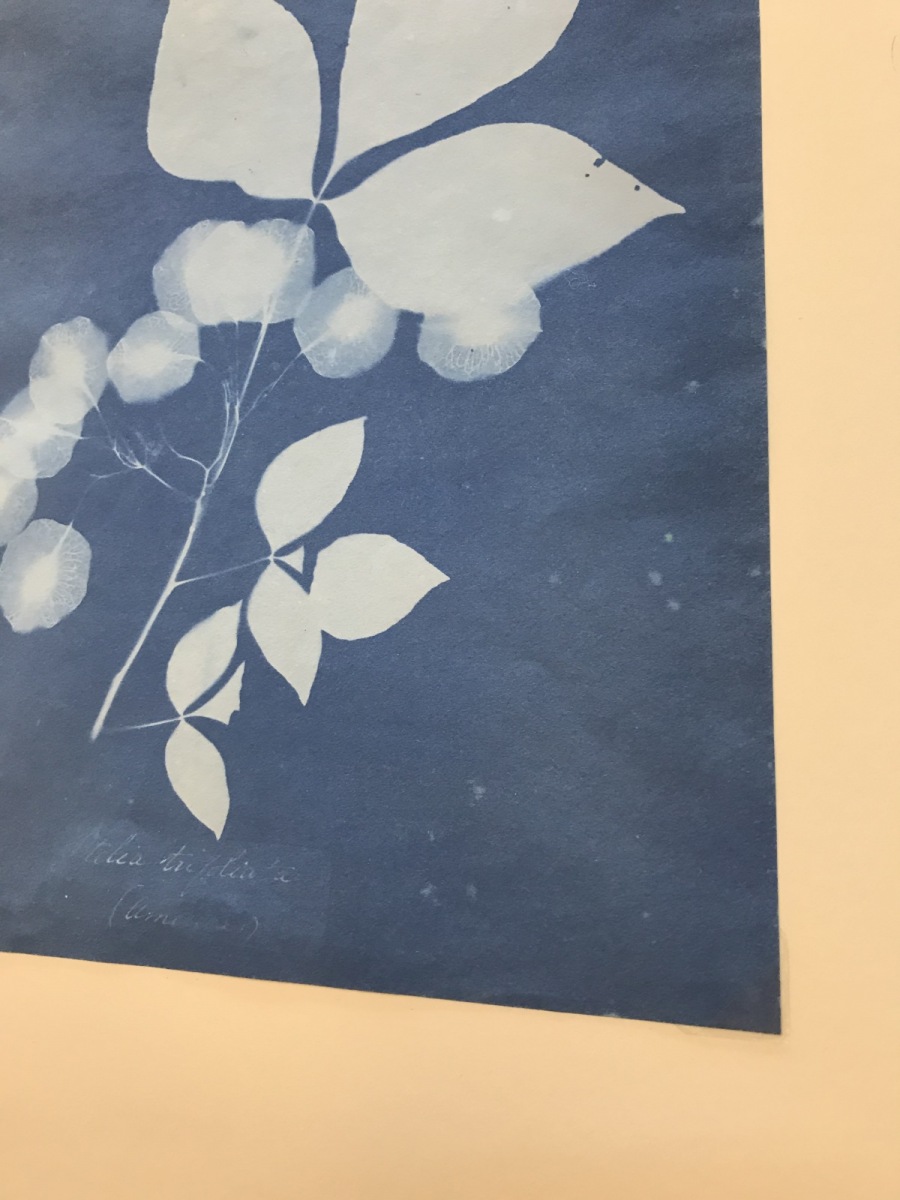
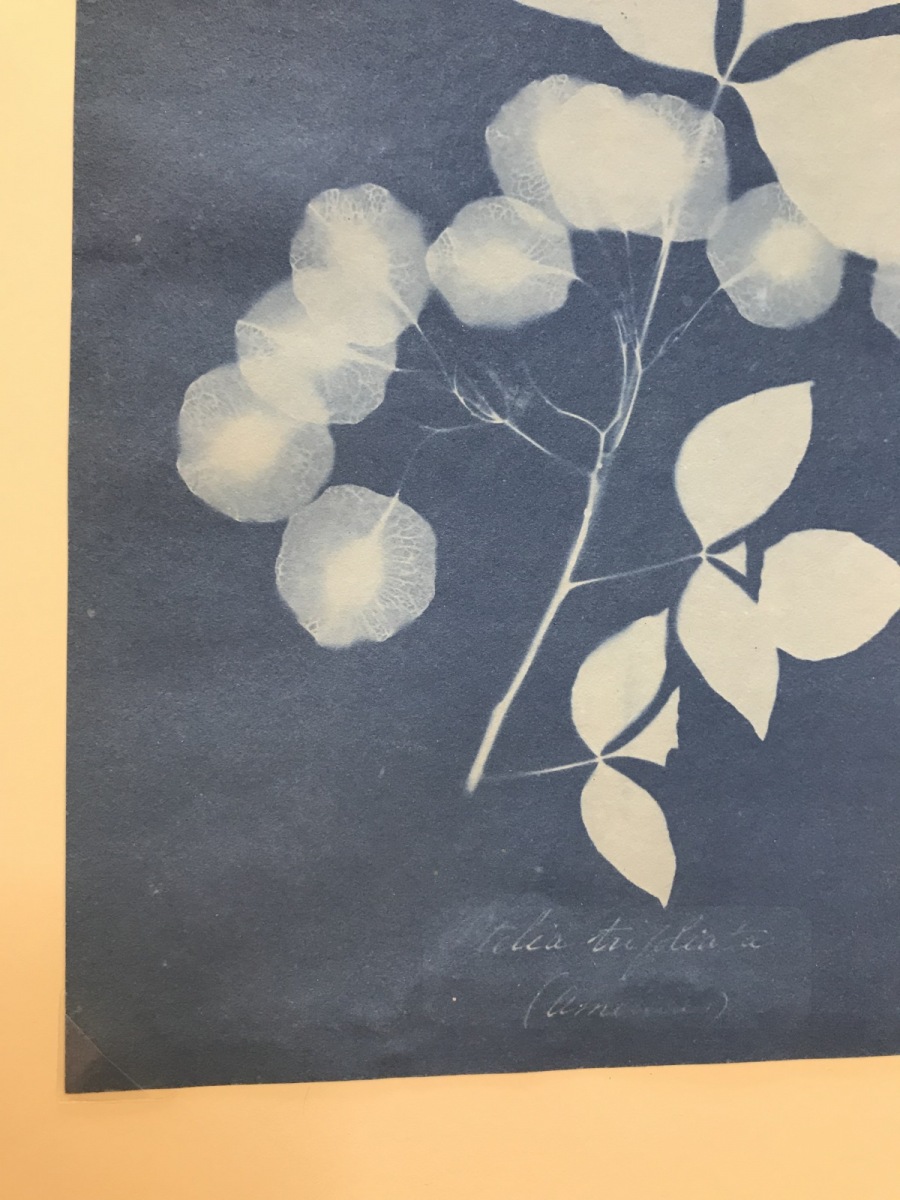
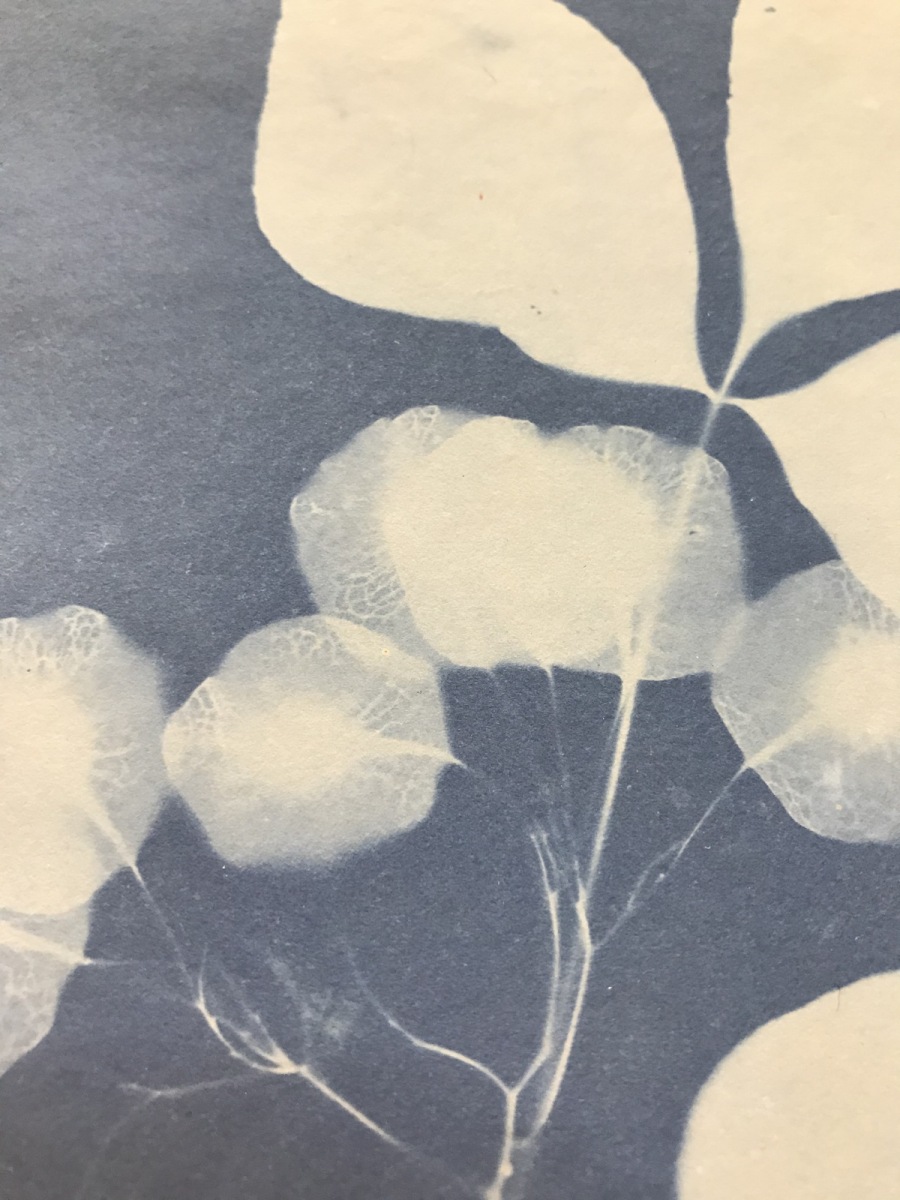
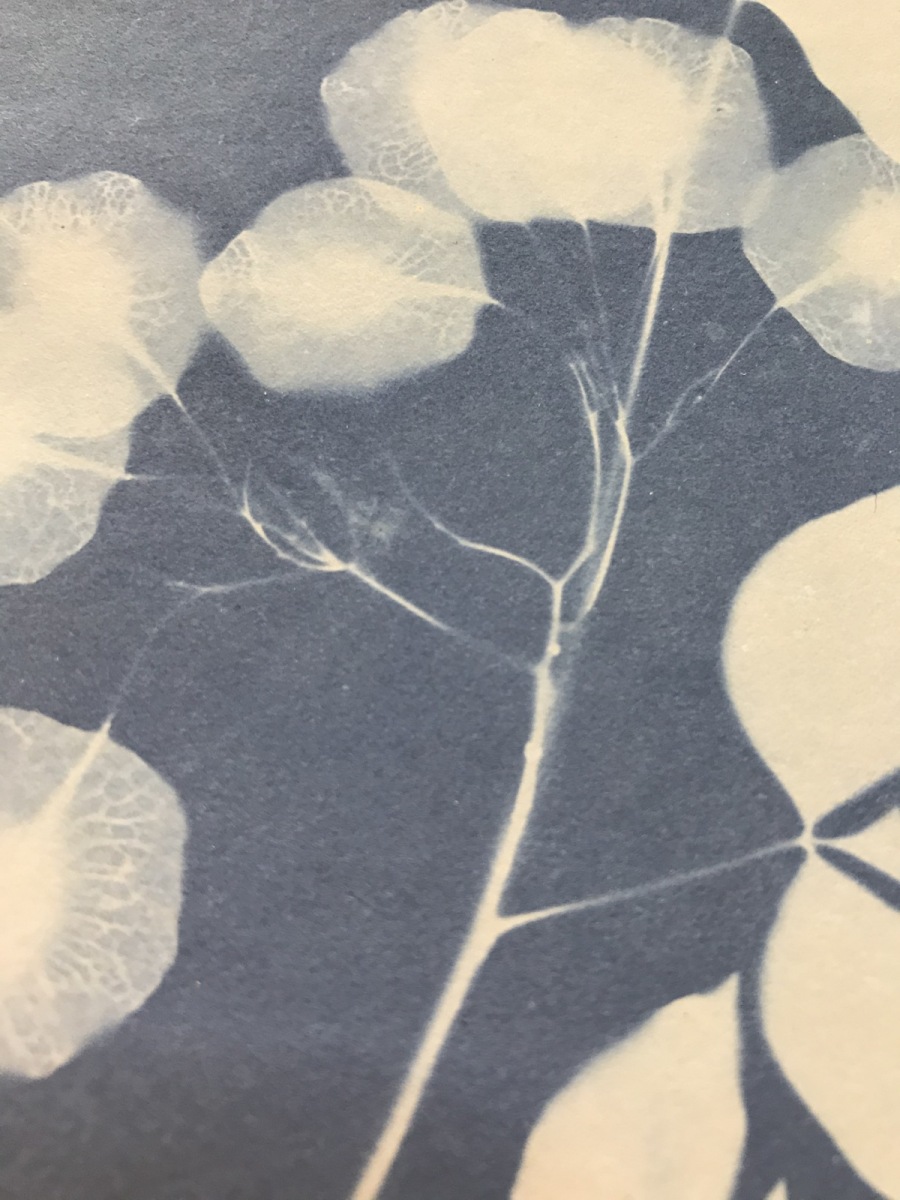
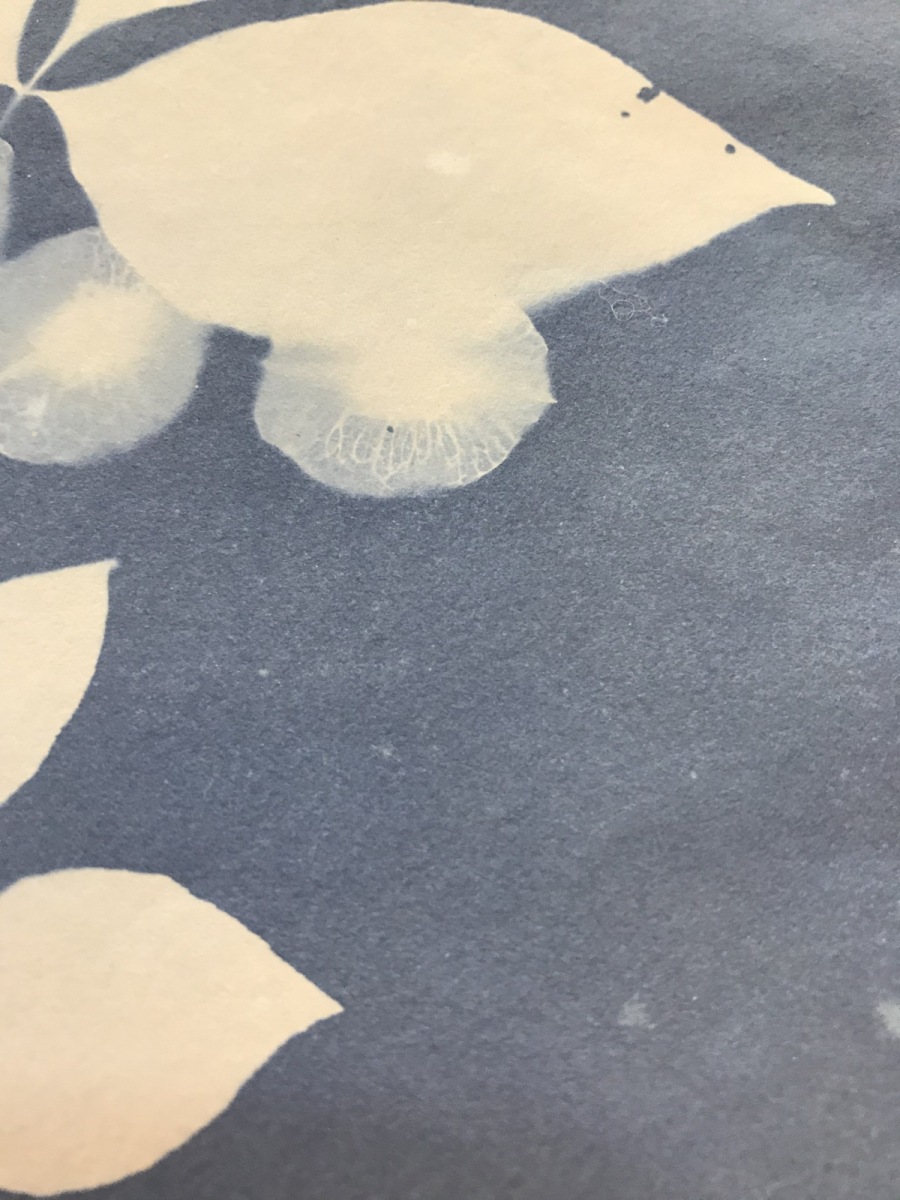
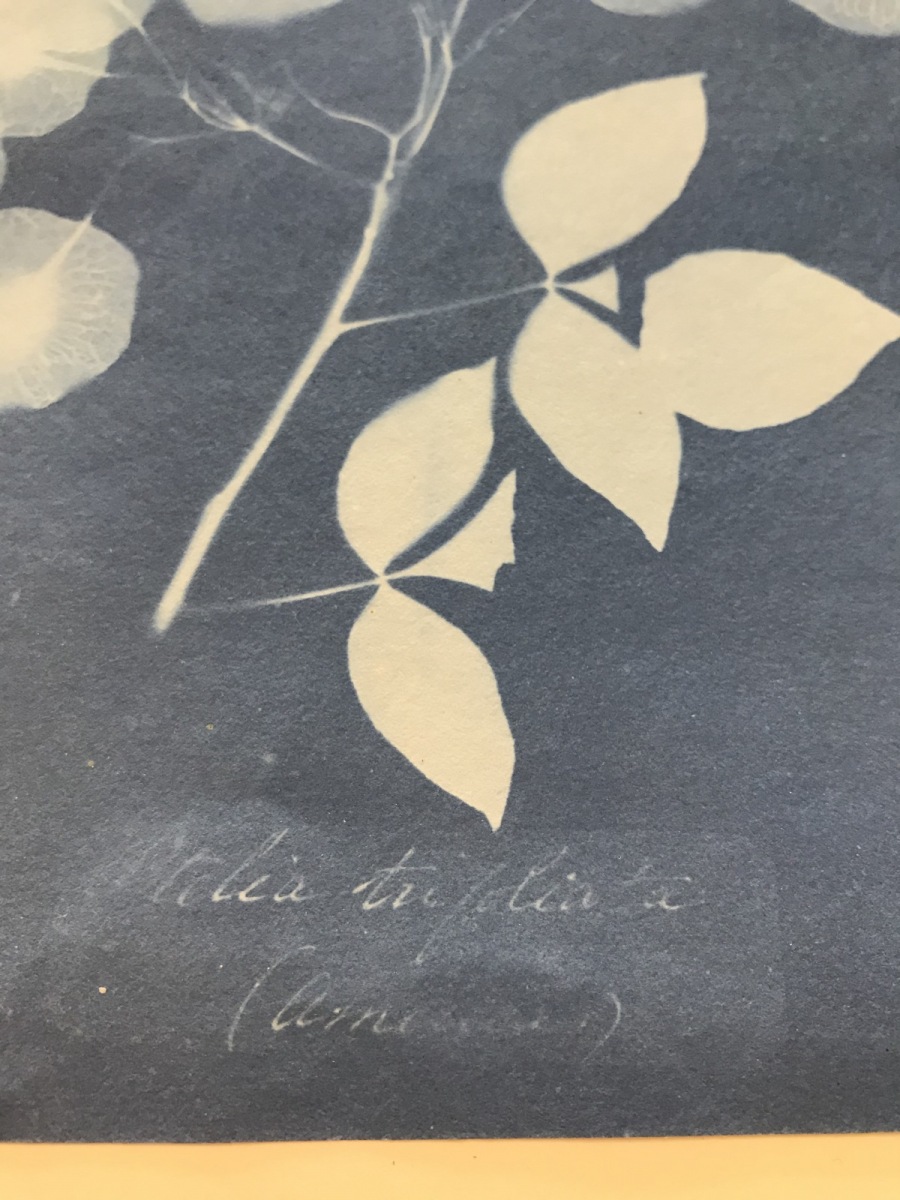
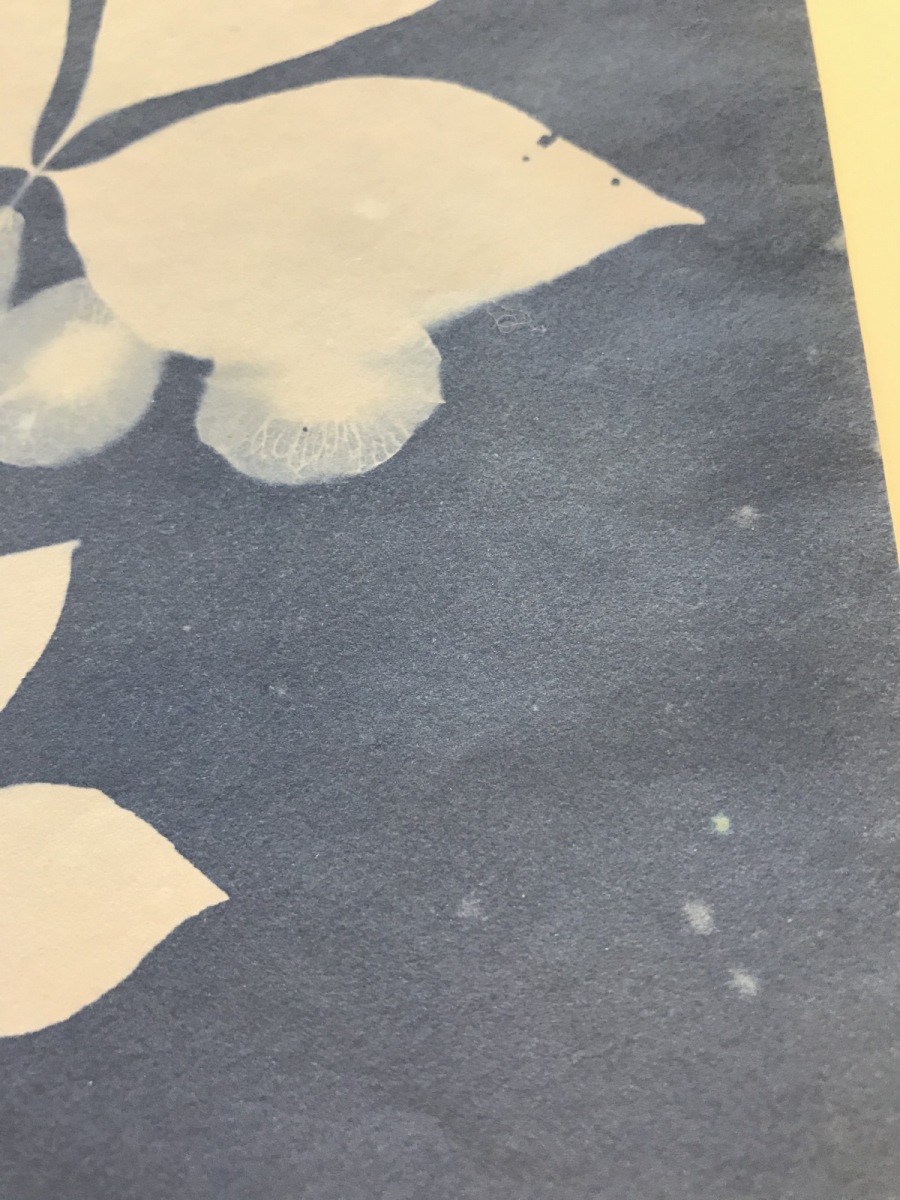
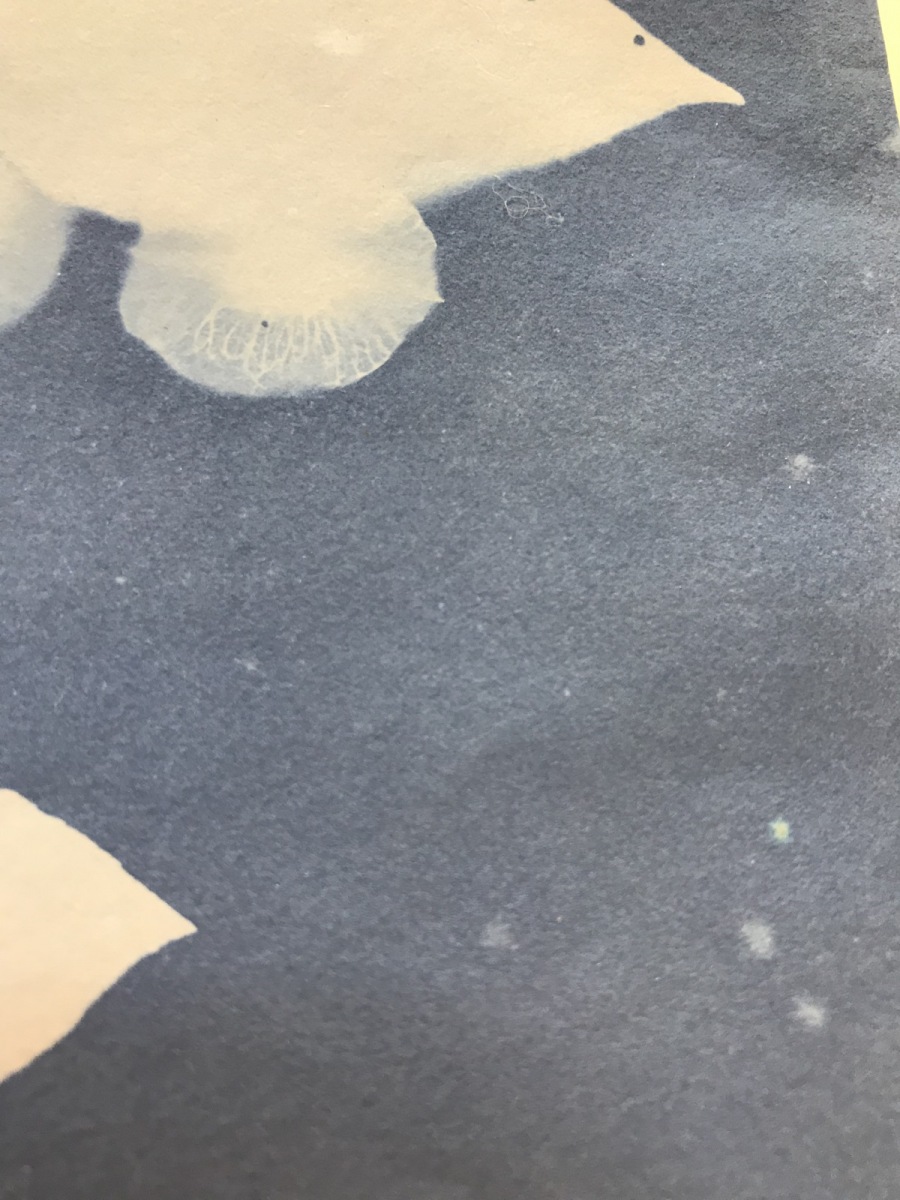
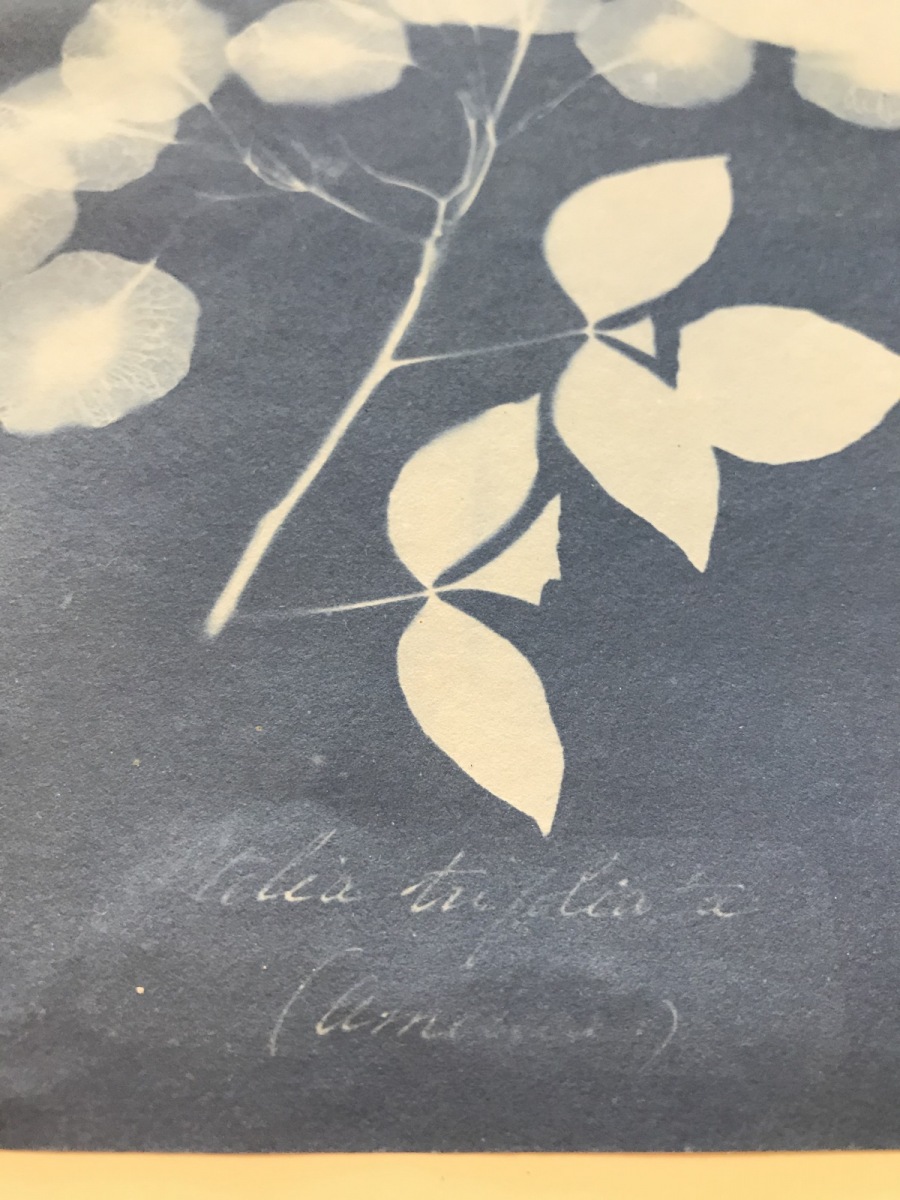
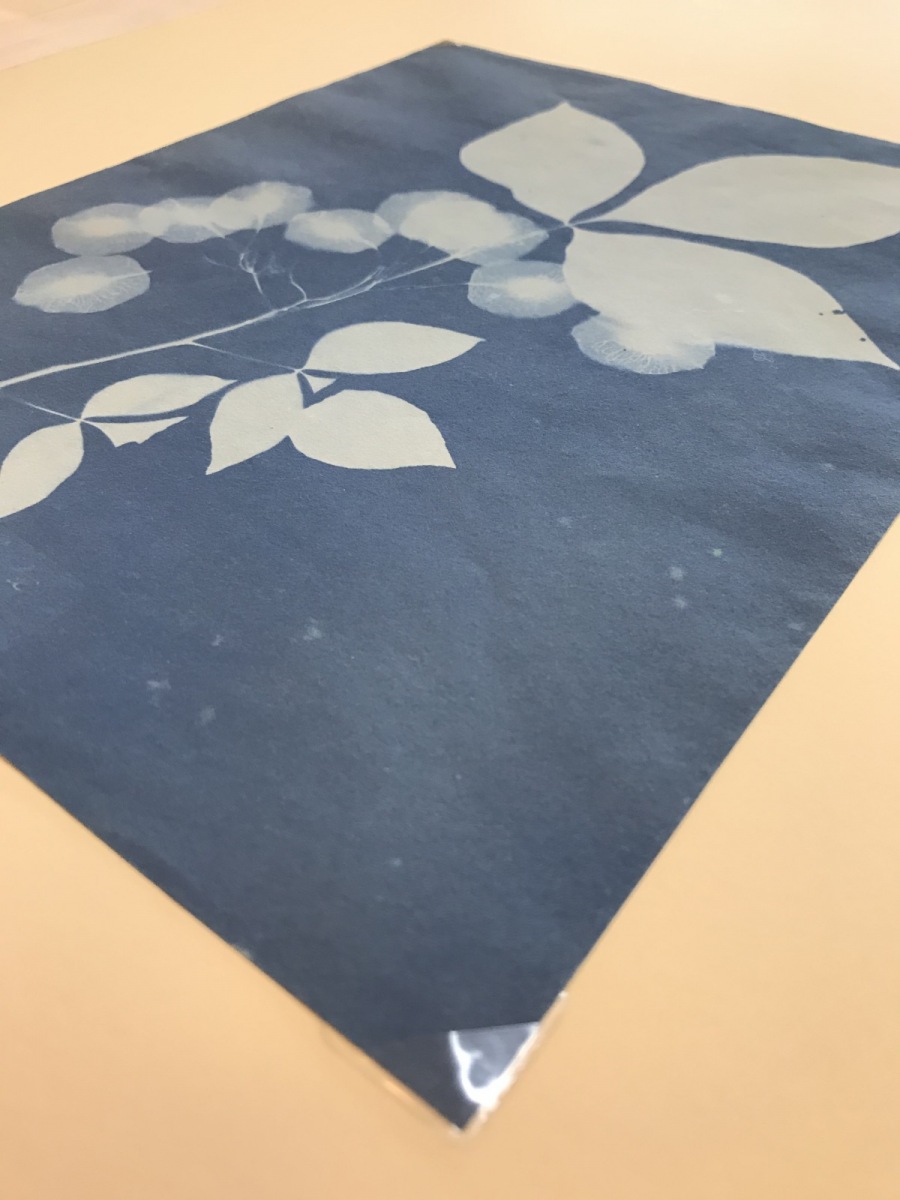
Ptelea trifoliata [Wafer ash], c. 1850s
Cyanotype
Purchase, E. Powis and Anne Keating Jones, class of 1943, Fund
1983.24
This luminous, blue photographic print is a cyanotype made by one of the great photographic pathbreakers: Anna Atkins. An aristocratic English woman born in 1799, Atkins was the first person to publish a book that was fully illustrated and printed photographically. Photographs of British Algae: Cyanotype Impressions (1843-53), was a compilation of photographic images of algae, labeled with their scientific names, intended as a visual companion to William Harvey’s A Manual of British Algae (1841). Aided by household servants, her father the chemist John George Children, and possibly by her friend Anne Dixon, in 1843 Atkins began to compile photographic prints for her book, eventually publishing more than fourteen copies of the three-volume book by the completion of the project in 1853. These books were distributed to “botanical friends,” mostly amateur scientists, as well as polymath and scientist John Herschel, who invented the cyanotype process in 1842, and fellow early photographer William Henry Fox Talbot.
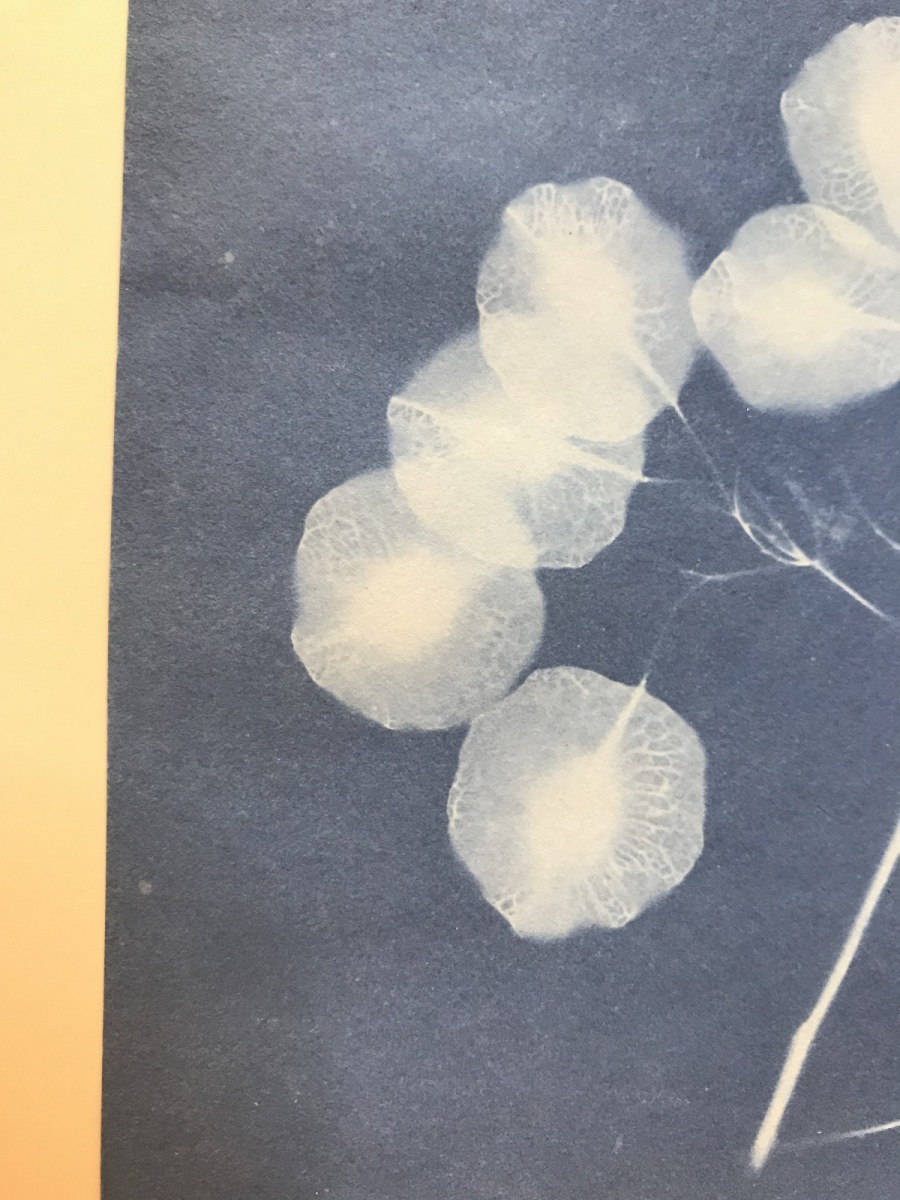
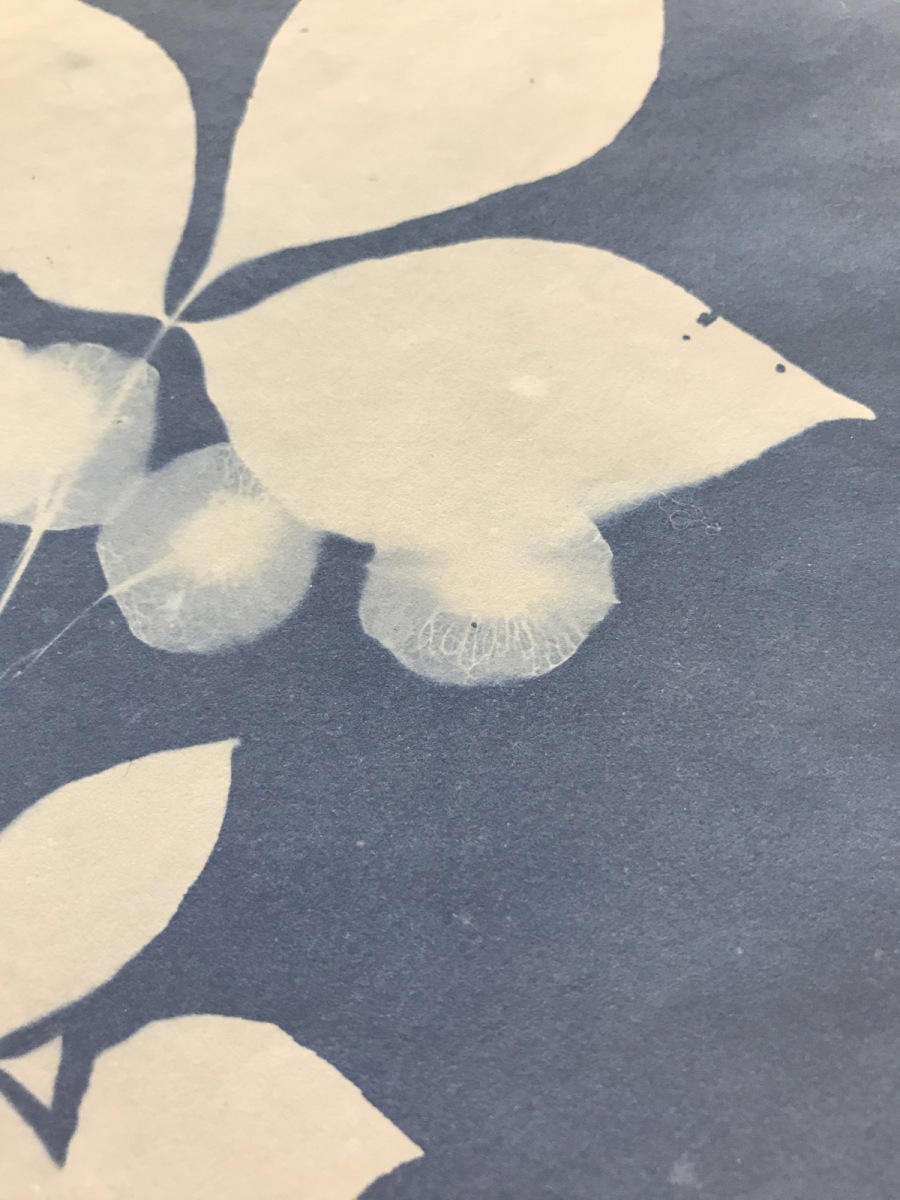
Atkins’ cyanotypes were created without a camera, by coating paper with the chemical compound ferric ferrocyanide, which produced the pigment known as Prussian blue, and exposing it to light for 20-30 minutes with the plant specimen sitting directly on top of the coated paper. This photograph was included in Atkins’ 1854 album Cyanotypes of British and Foreign Flowering Plants and Ferns, which she gifted to her friend and photographic collaborator Anne Dixon. The album was completed after Atkins finished British Algae, and both the subject matter and the composition of the images reflect a departure from her earlier work. No longer working within the constraints of British Algae, Atkins began to capture images of flowering plants like the Wafer Ash depicted here, working with freer compositions. While still a botanically precise illustration, the arrangement of leaves and samaras gives this image a dynamic composition. This tendency toward aesthetic freedom would continue in Atkins’ work as she eventually made cyanotypes of objects other than plants, including lace and feathers. Cyanotypes of British and Foreign Flowering Plants and Ferns included images of specimens from all over the world, including continental Europe, Jamaica, North and South America, and as far afield as Australia. These specimens were likely acquired by Atkins through either her husband’s business contacts as the owner of a Jamaican coffee plantation, or through her father’s scientific connections as a fellow of the Royal Society and Keeper of the Zoology Department at the British Museum. Indeed, it is likely that this North American specimen was acquired through her father’s scientific contacts in the United States, where he had traveled in 1802, since there is no evidence that Atkins herself ever traveled to North America.
This cyanotype print gives us insight into the relationship between science and early photography. From Talbot’s earliest experiments with photographic techniques, the scientific potential of photography was apparent. Atkins not only recognized this possibility, but seized on it. This photograph offers insight into the world of science at the time: It represents a scientific community connected through personal contacts and international travel. Atkins had access to specimens from all over the world largely due to her father’s central role in the major scientific networks of his time. In exemplifying the international scope of scientific networks at the time, it also demonstrates the extent to which imperialism facilitated the expansion of modern science in nineteenth-century Europe. Imperialism supported and was often justified by the basic goal of nineteenth-century science to catalog and understand the world “objectively.” The specimen depicted in this photograph, and many other international specimens from the original album, were obtained either through her husband’s business contacts in Jamaica, which depended on British imperial dominion over the island, or through her father’s scientific connections, especially through his position at the publicly funded British Museum, whose mission extended British colonialism. More indirectly, the family wealth that allowed Atkins to produce her scientific works was gained, at least in part, through her husband and his family’s Jamaican plantations, which prior to the abolition of slavery in the British Empire in 1833, depended on the labor of enslaved people.
While Atkins, as a Victorian woman, was an anomaly in the scientific world at the time, botany, and botanical illustration in particular, was considered a more “feminine” science in which women were encouraged to take part. Still, her work depended on her father’s networks or his stamp of approval to gain headway in the world of science, and her interest in and knowledge of scientific pursuits was largely due to her father’s unusual decision to educate her in the field.
Atkins’ understanding of the scientific significance of photography shows how exciting, and how influential, the new medium would be for modern science. Yet despite Atkins’ prescience, botanical illustration was slow to adopt photography in a mainstream sense. If Atkins had amazing clarity of vision as a scientist, her vision was perhaps even clearer as a photographer. Aside from recognizing its scientific virtues, Atkins’ realized the aesthetic virtues of the photography in her beautiful cyanotypes. Atkins’ clever use of blue colored cyanotype to represent marine plants demonstrated an artist not only adapting to a photographic medium, but exploiting its intrinsic qualities. In the end, it is Atkins’ skill as a photographer, and her use of the new medium on its own terms, that is, perhaps, her greatest legacy.
John Mahoney, Loeb Curatorial Research Intern, Summer 2020
Further Reading:
- Larry J. Schaaf, Sun Gardens: Cyanotypes by Anna Atkins. Edited by Joshua Chuang. Munich, London, New York: DelMonico Books, 2018.
- Hope Saska, “Anna Atkins: Photographs of British Algae.” Bulletin of the Detroit Institute of Arts 84, no. 1/4 (Photography 2010), pages 8-15.
- Carol Armstrong and Catherine de Zegher, Ocean Flowers: Impressions from Nature Princeton: Princeton University Press, 2004.
Look Closer