Can Photography Decolonize?
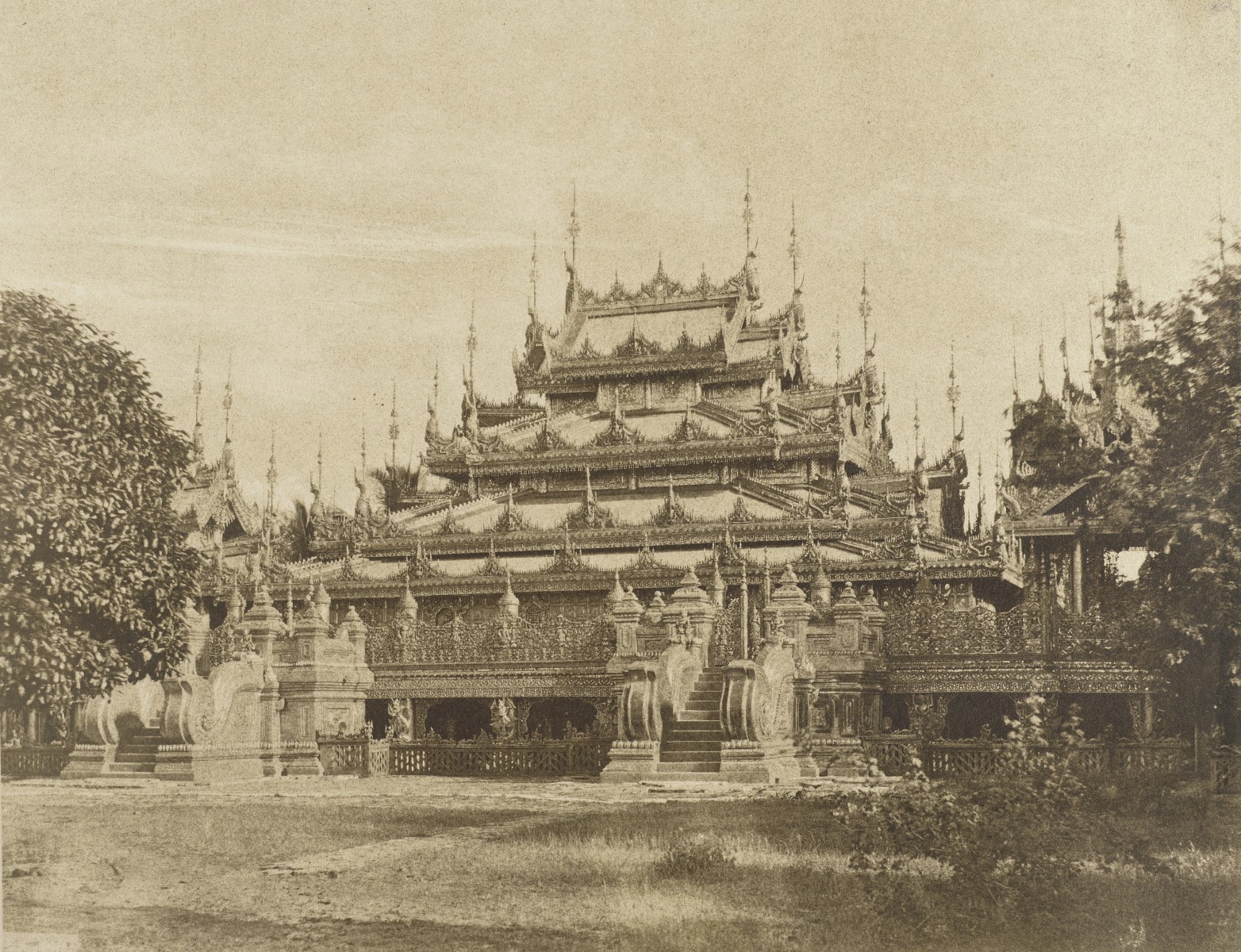
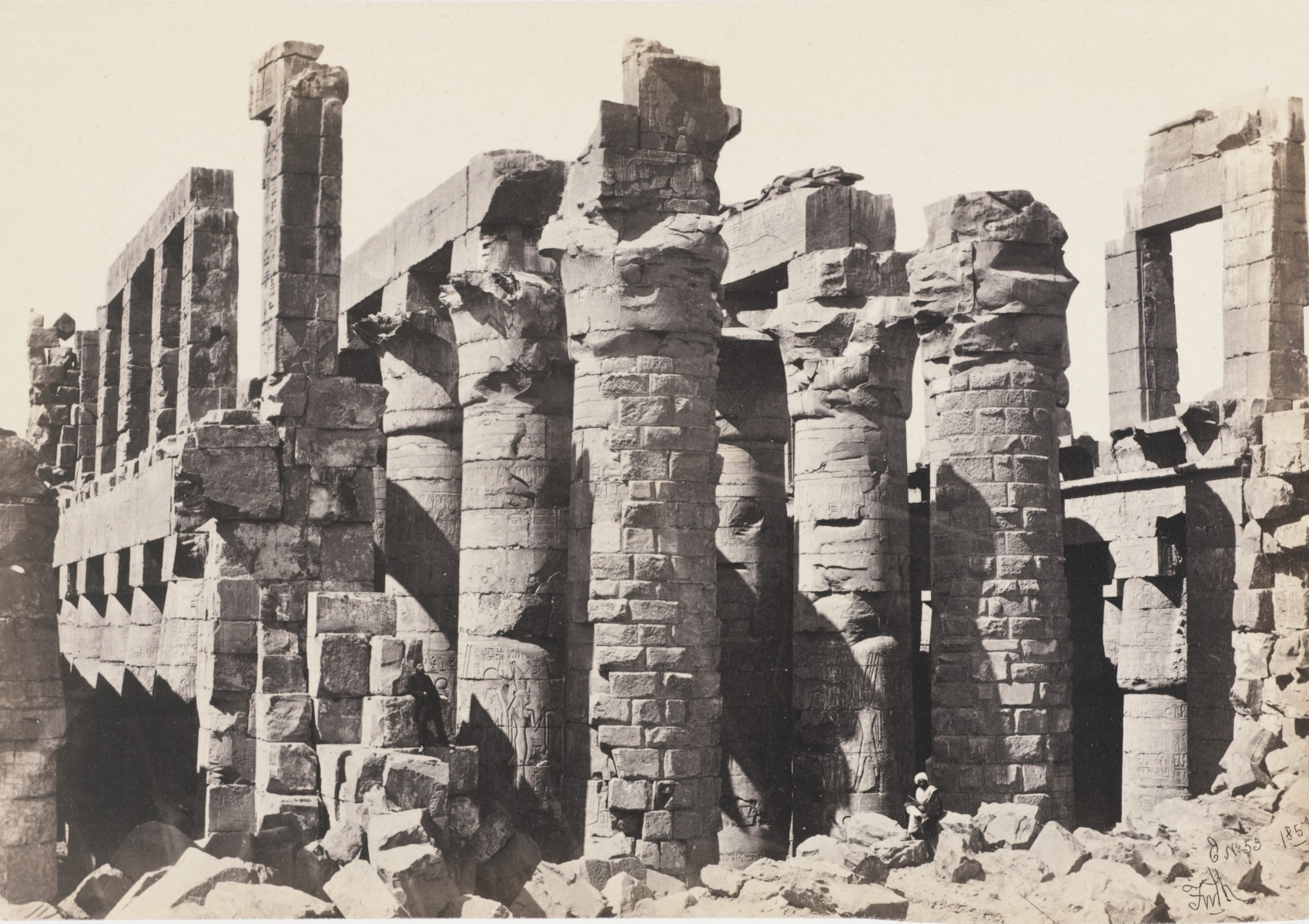
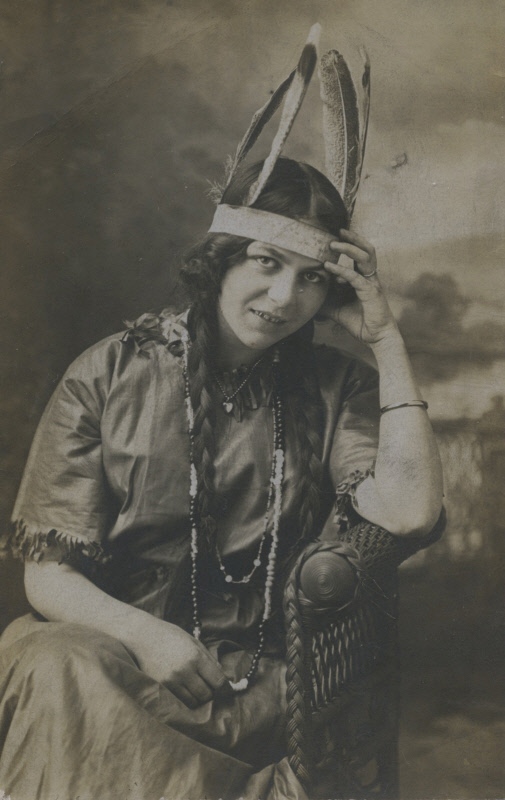
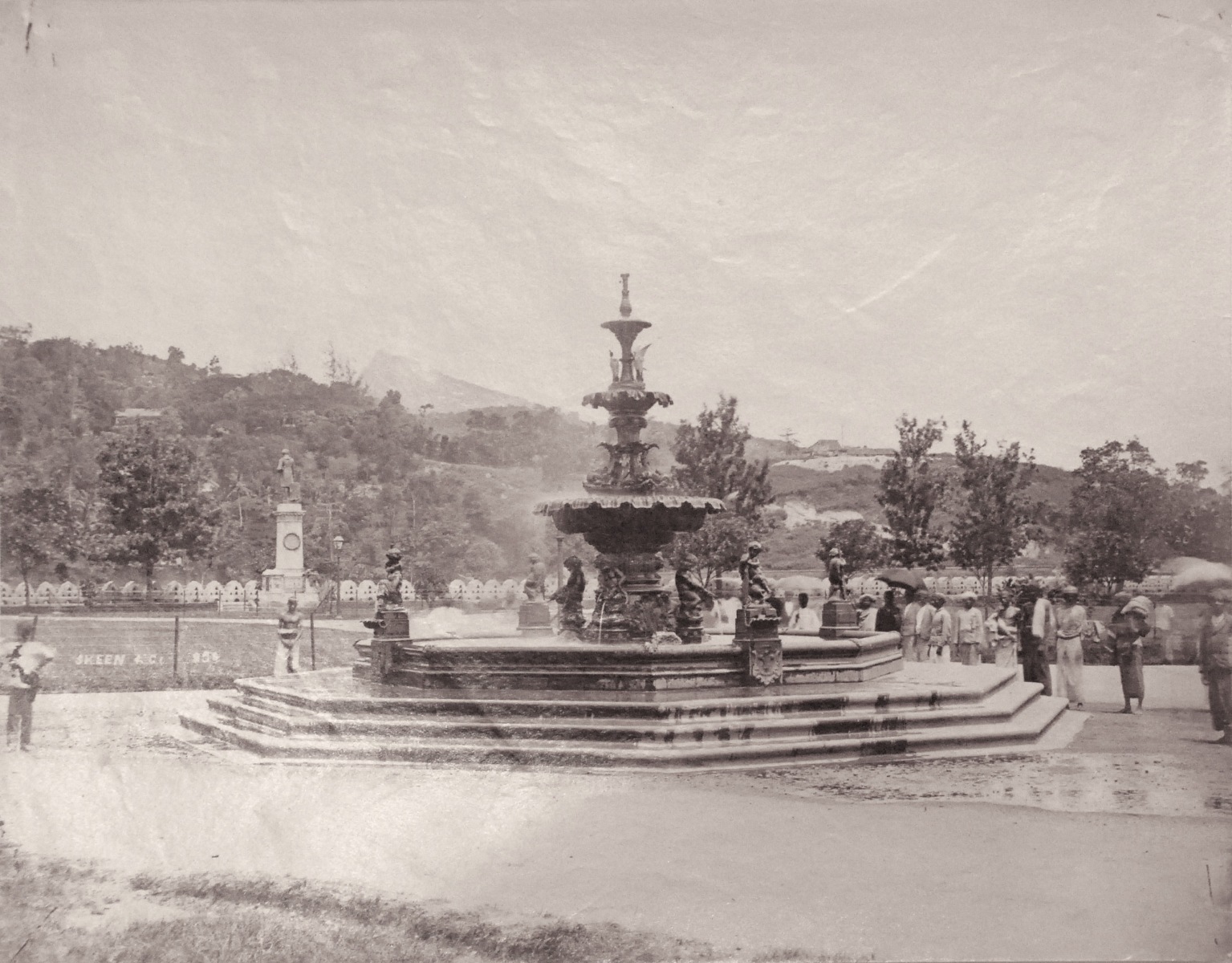
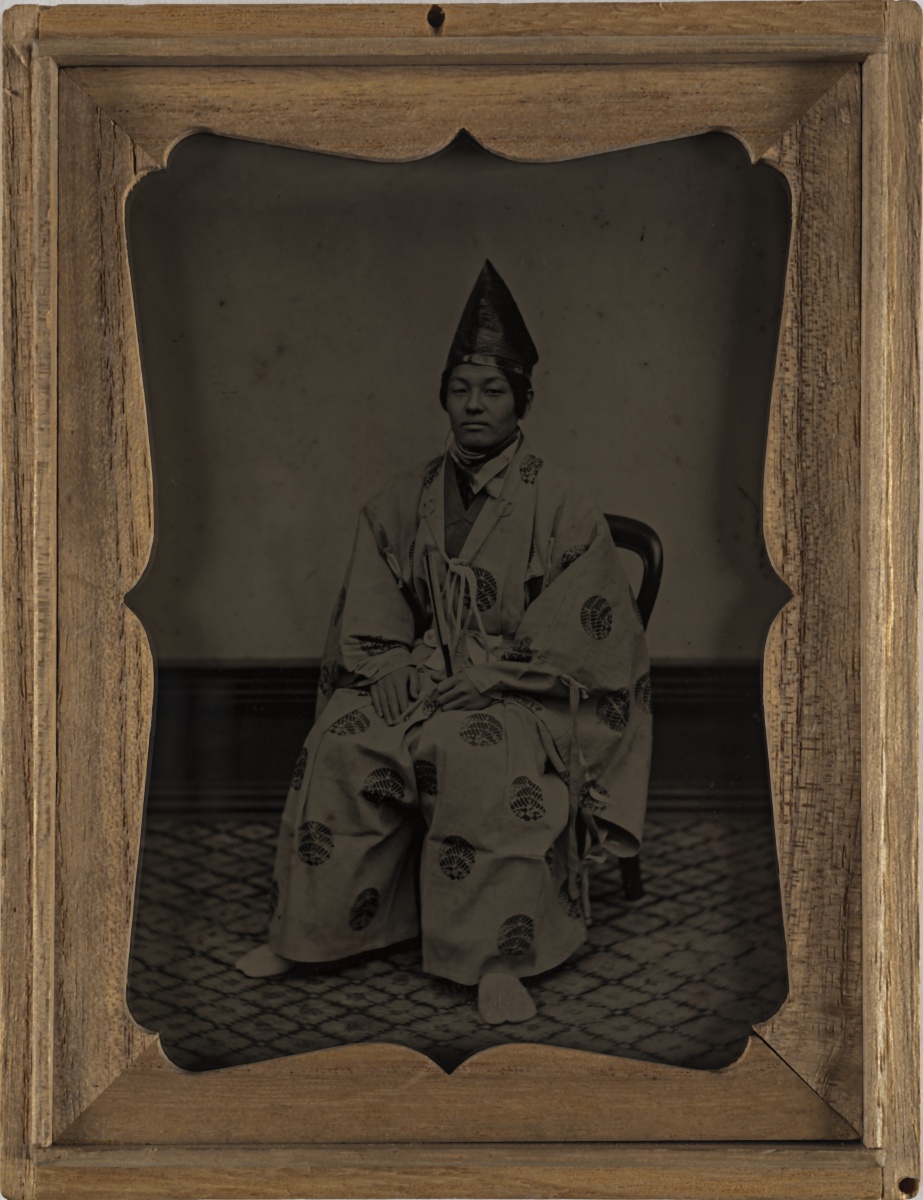
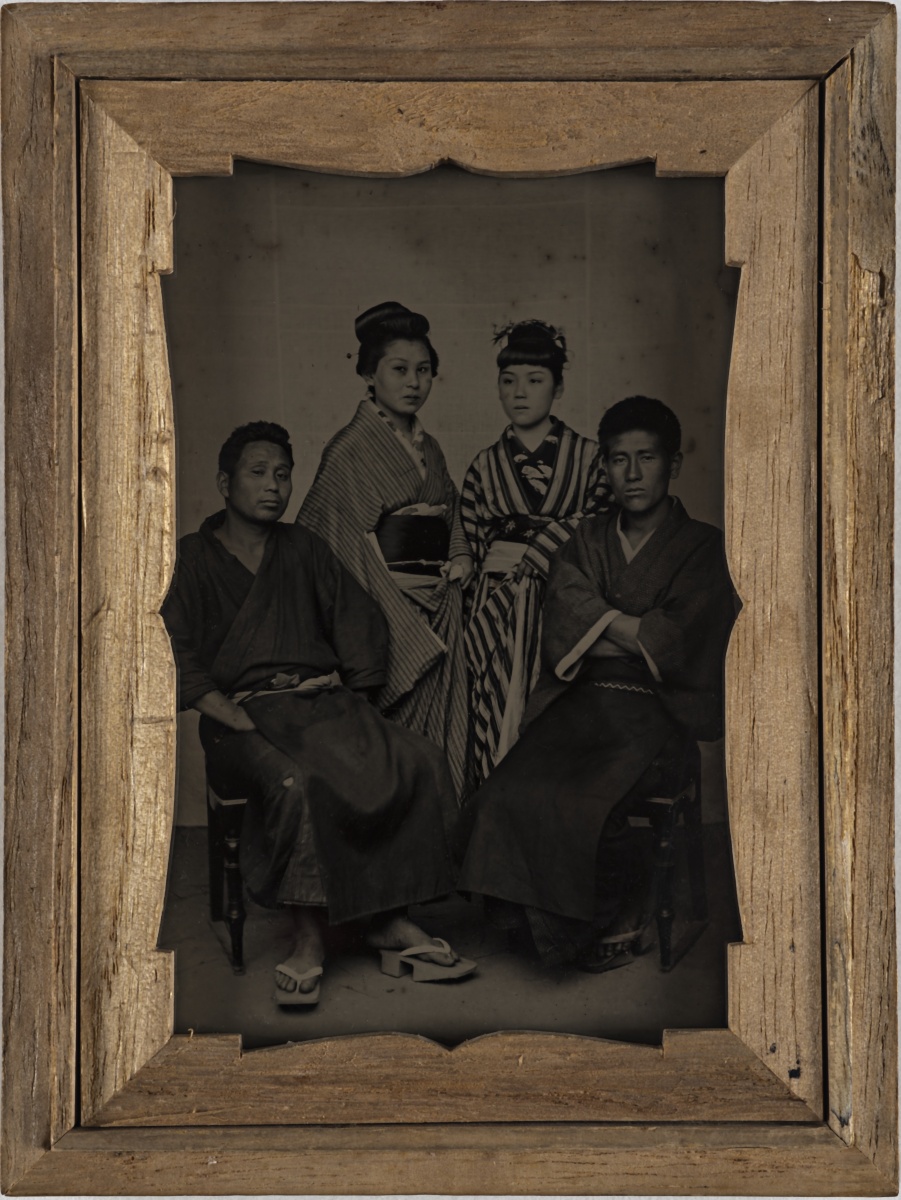
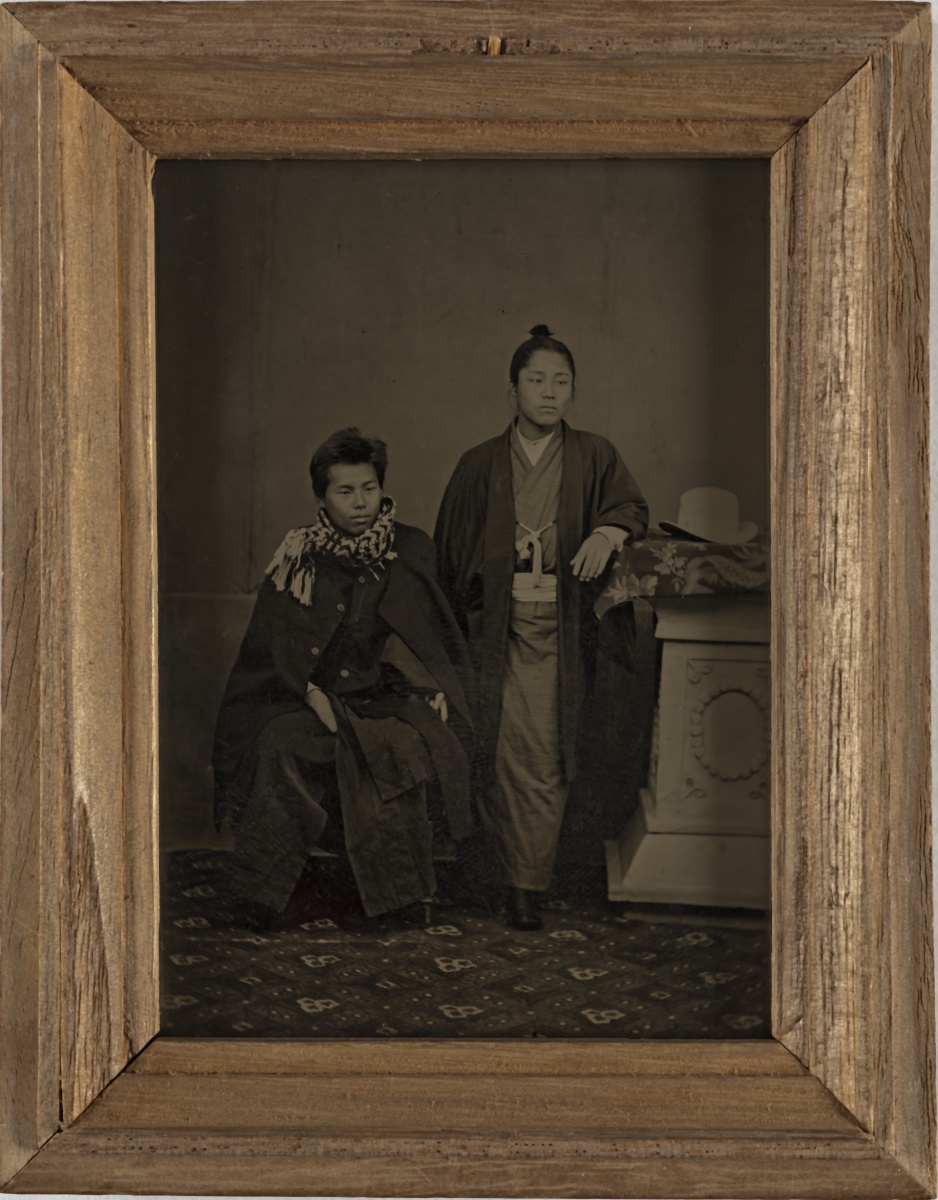
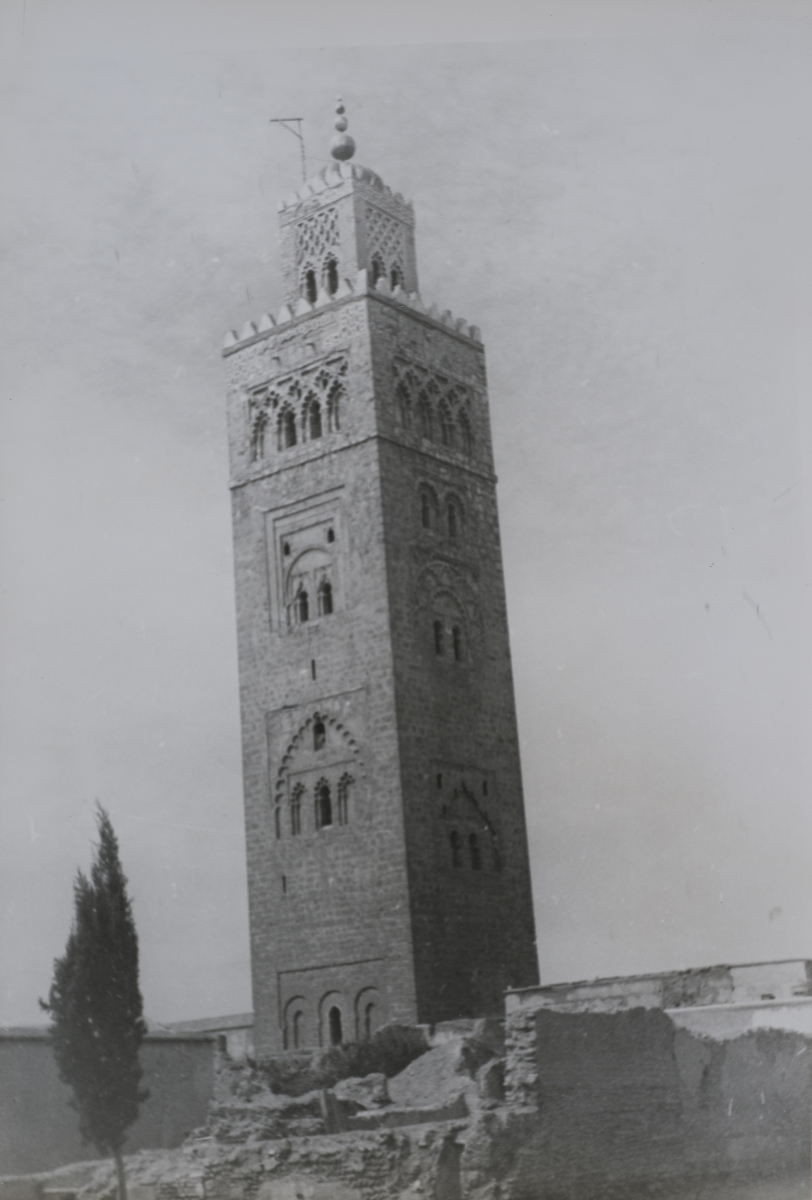
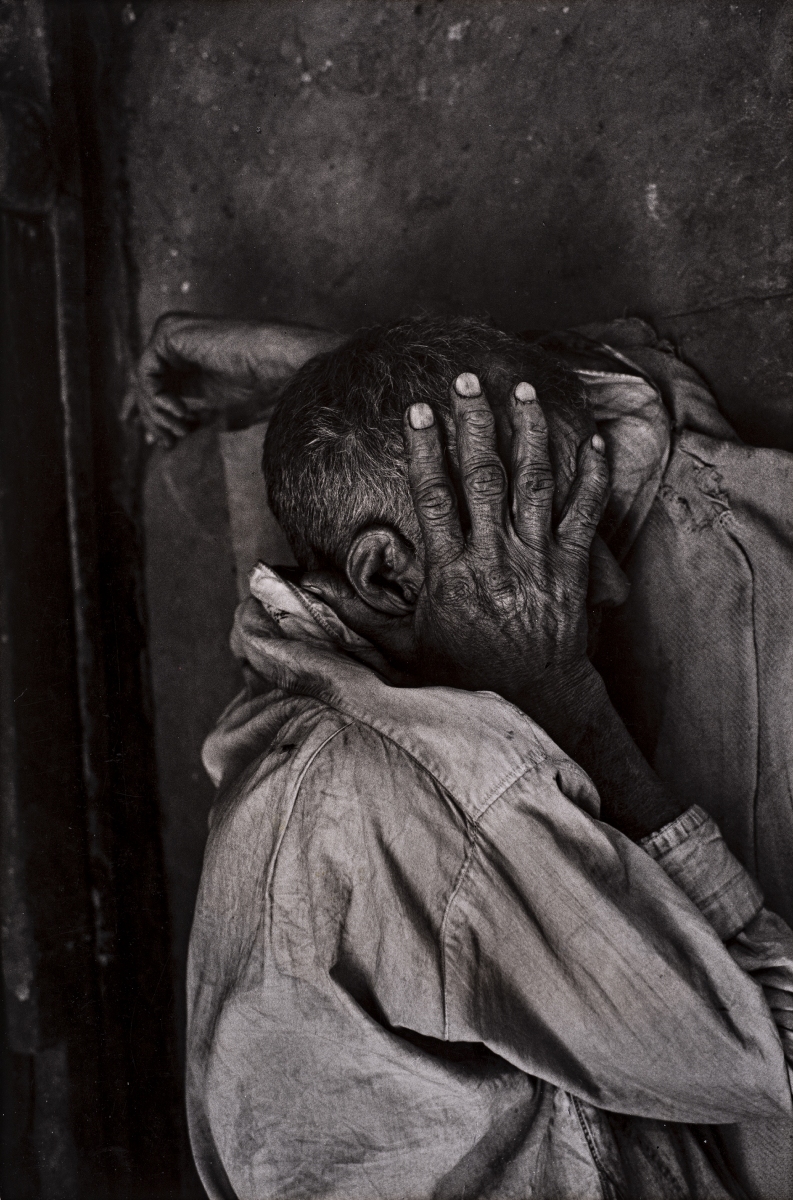
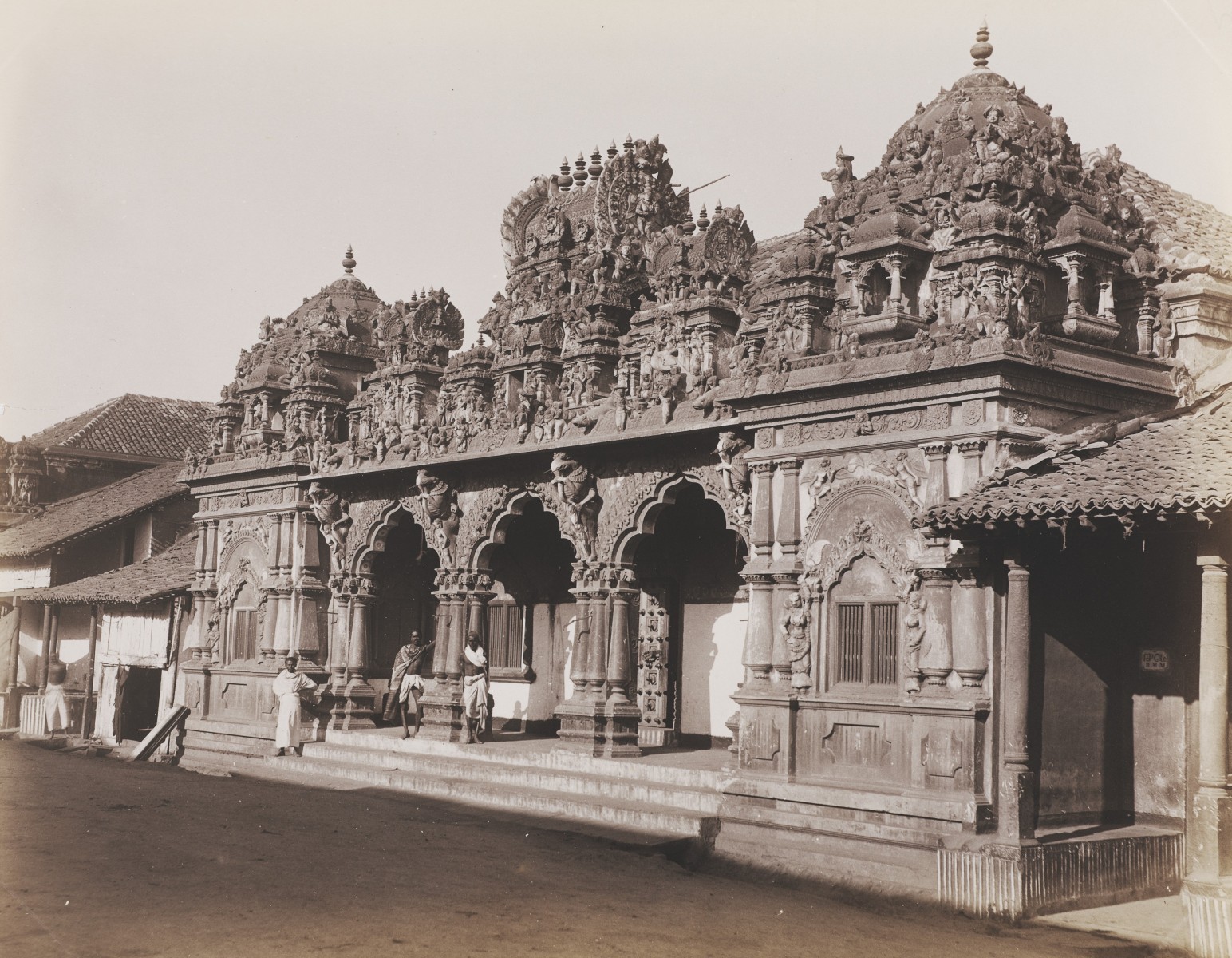
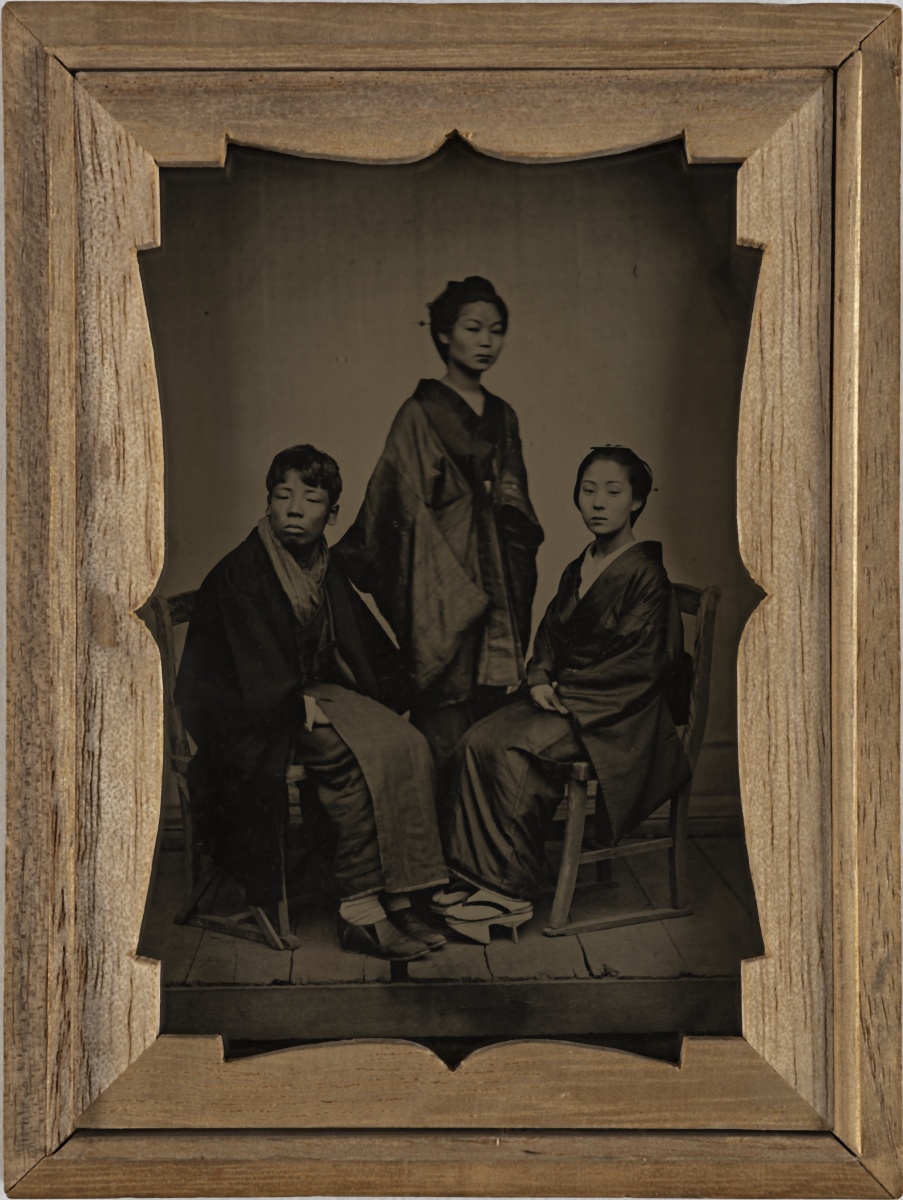
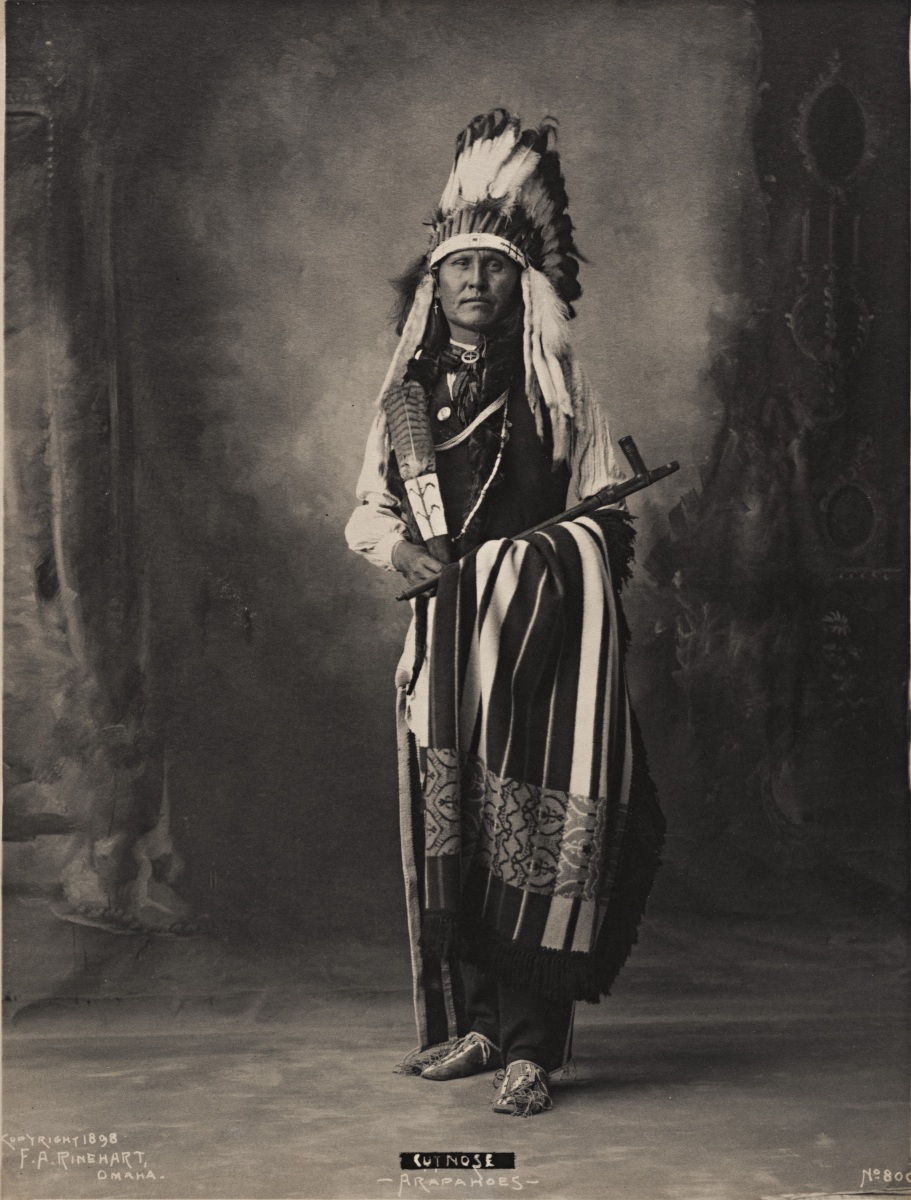
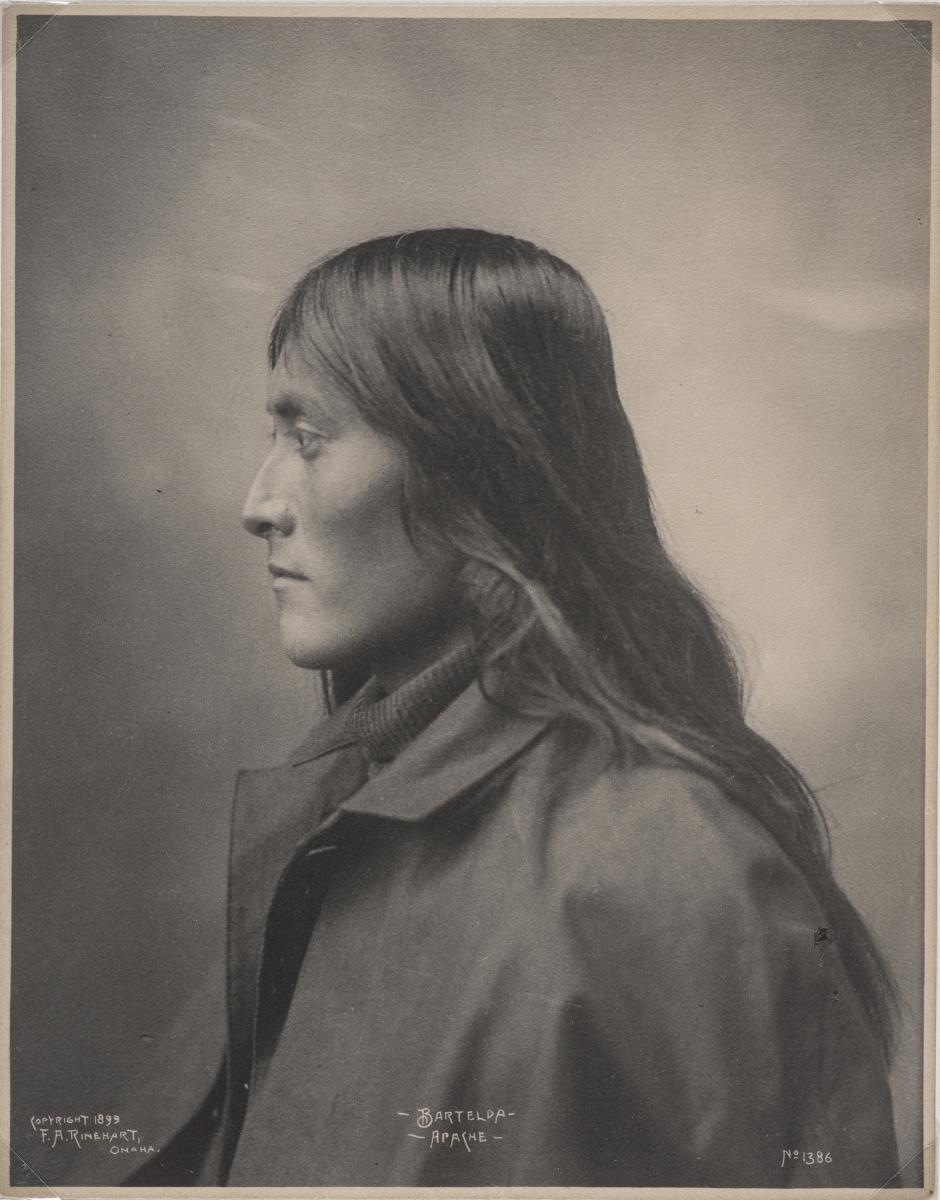
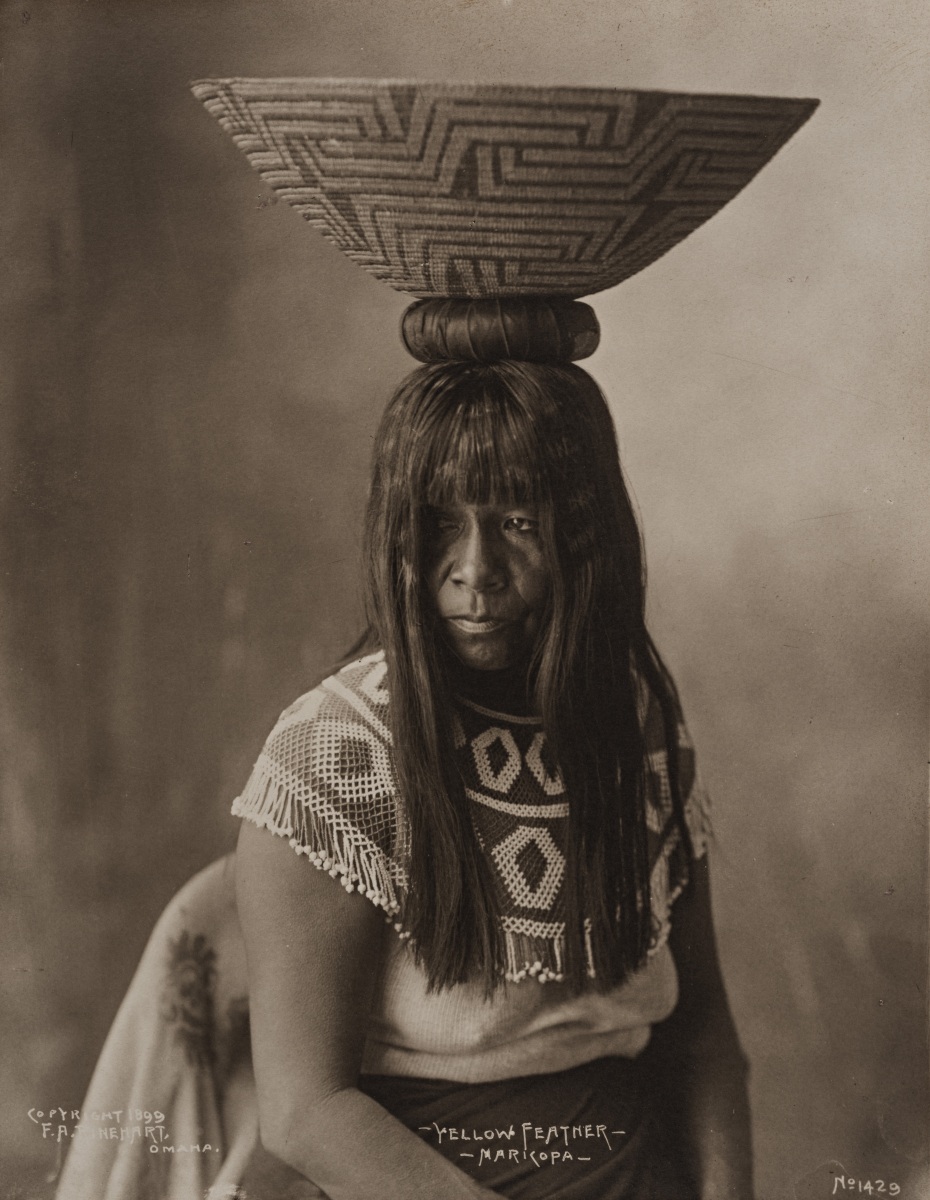
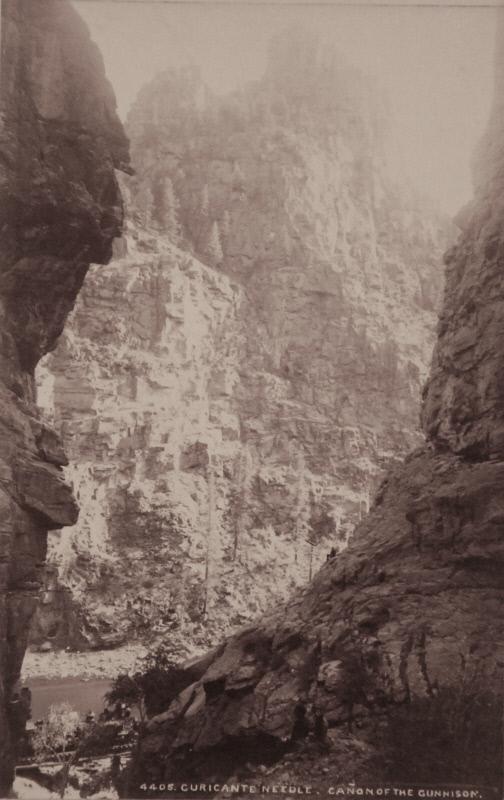
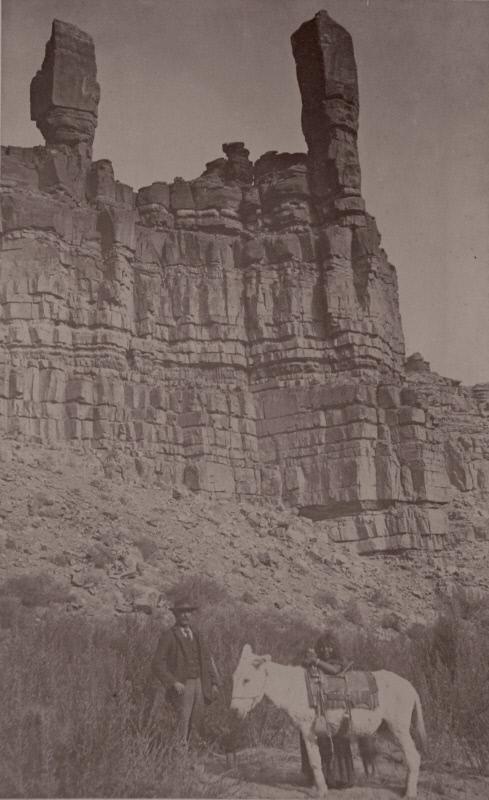
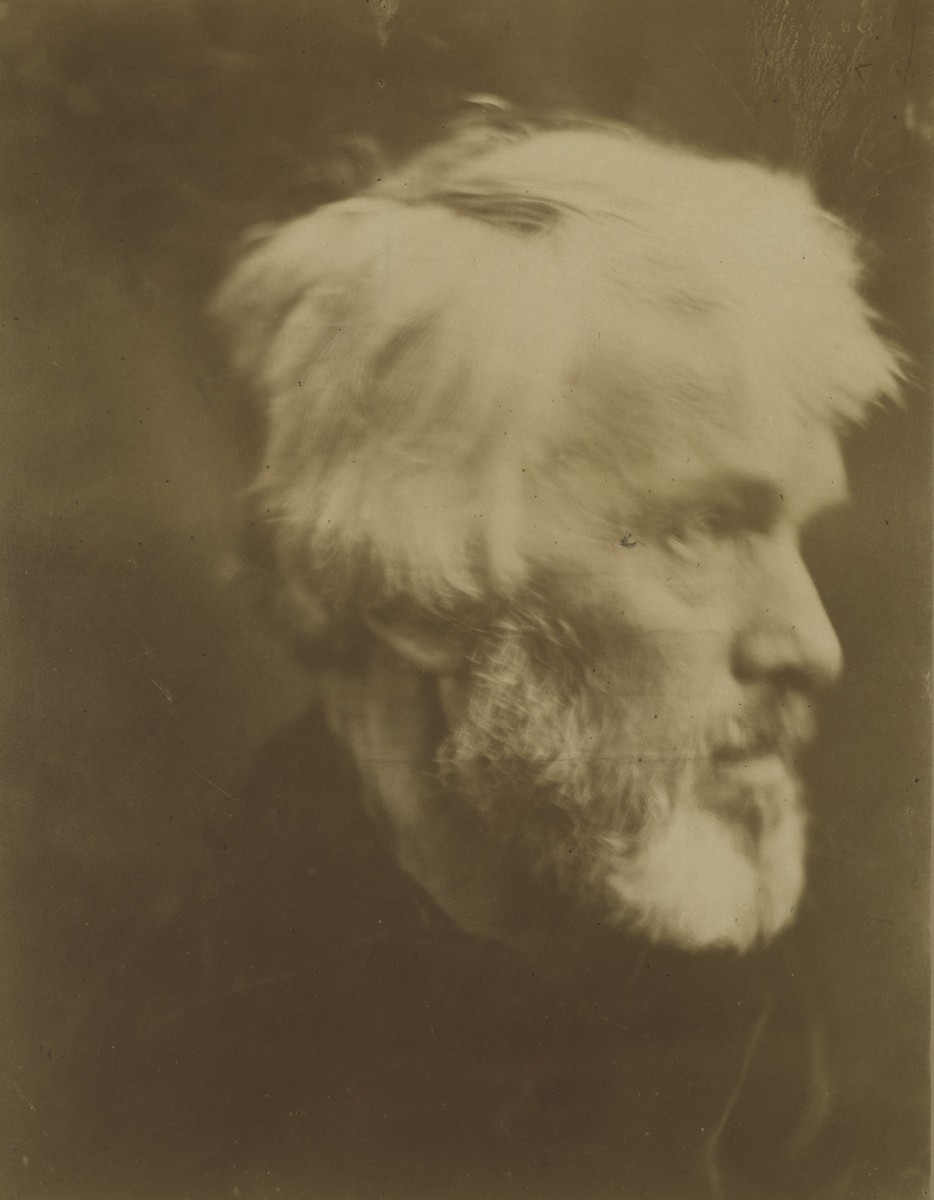
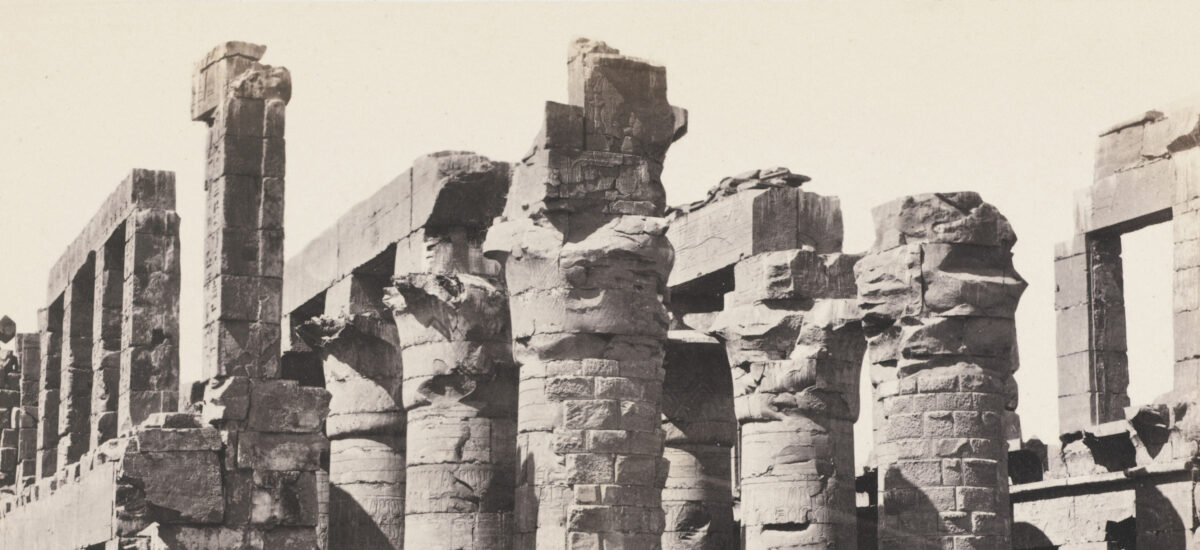
As a medium, photography is stamped indelibly by its colonial past, yet it also holds the promise of a decolonized future. Emerging amidst the division and conquest of the world by nineteenth-century European imperialists, early photography was used to justify and propagate colonial violence around the globe. Photography was an essential weapon in the imperialist arsenal. While gunpowder and sexual violence were used to conquer bodies and land, photography was used to control identities and social relations by creating images of visible, racialized “Others.” White European and North American photographers produced images of “ancient” cultures, both foreign and Indigenous, for popular entertainment and education (creating panoramas of tourist sites and voyeuristic displays of colonial life) and the gatekeeping of world history (documenting sacred sites). Photography was used for the purposes of colonial administration and to justify pseudoscientific racial classifications. Photography was, at its origin, an accomplice to the extraction, commodification, and control of colonized peoples.
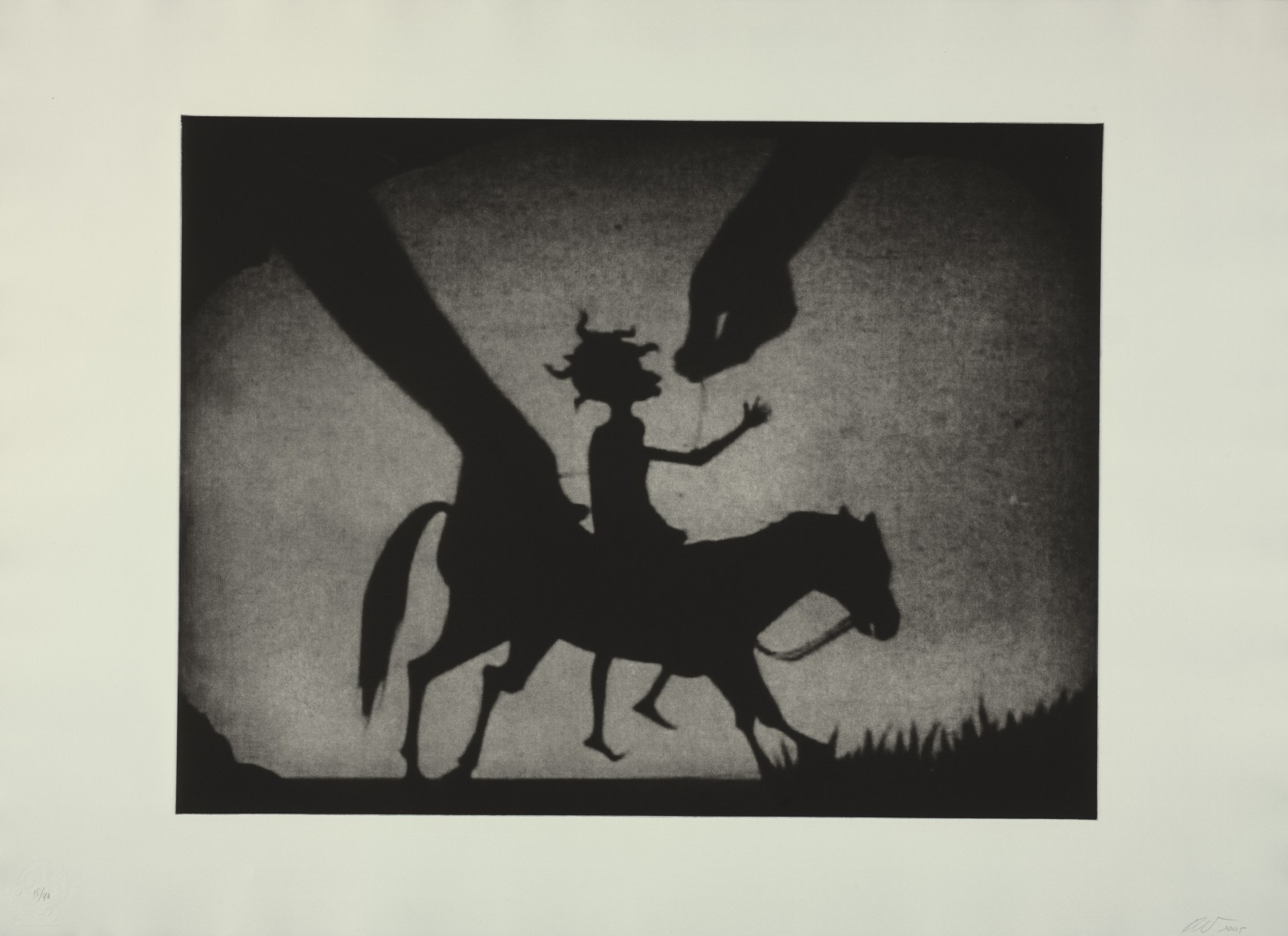
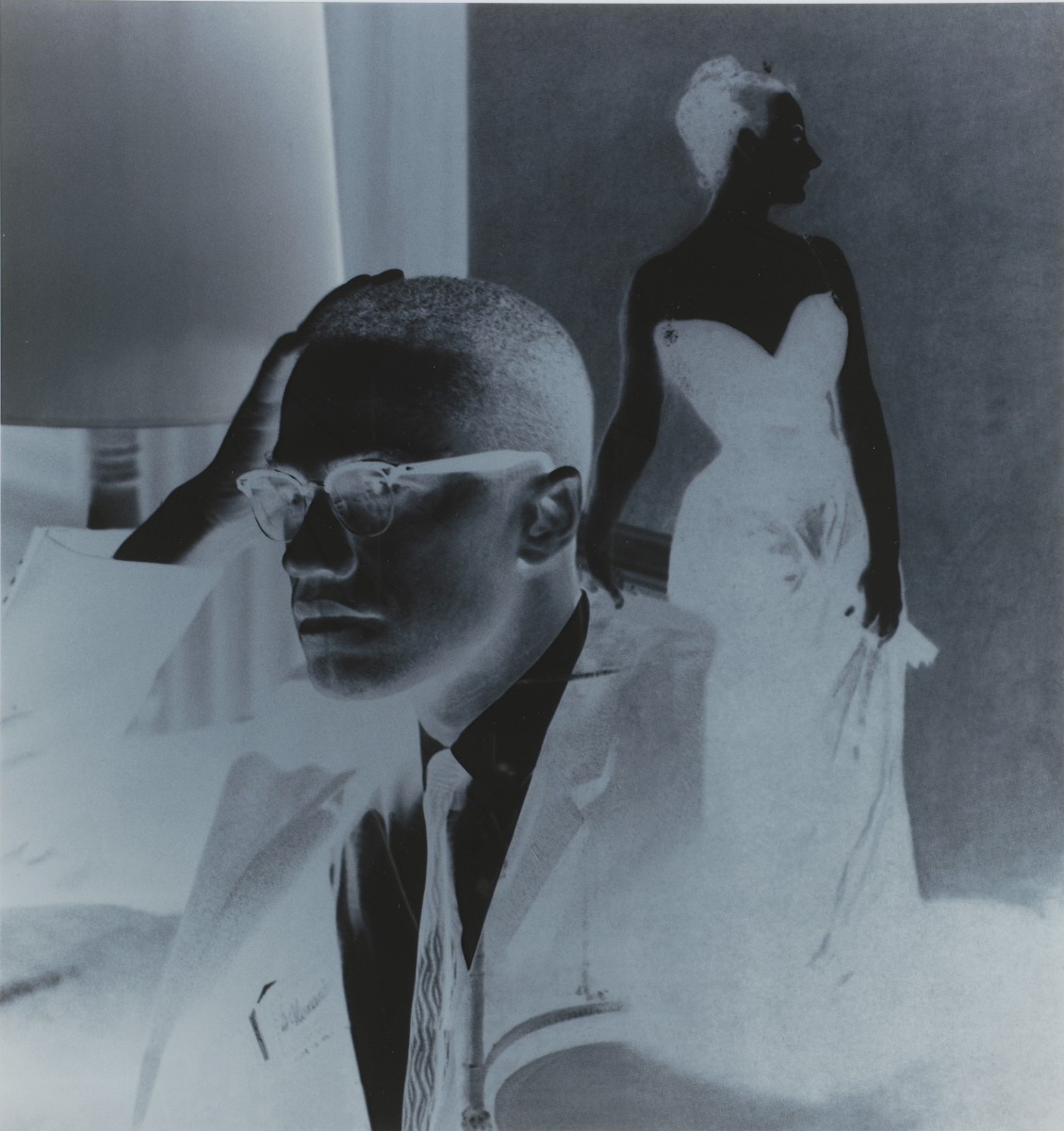
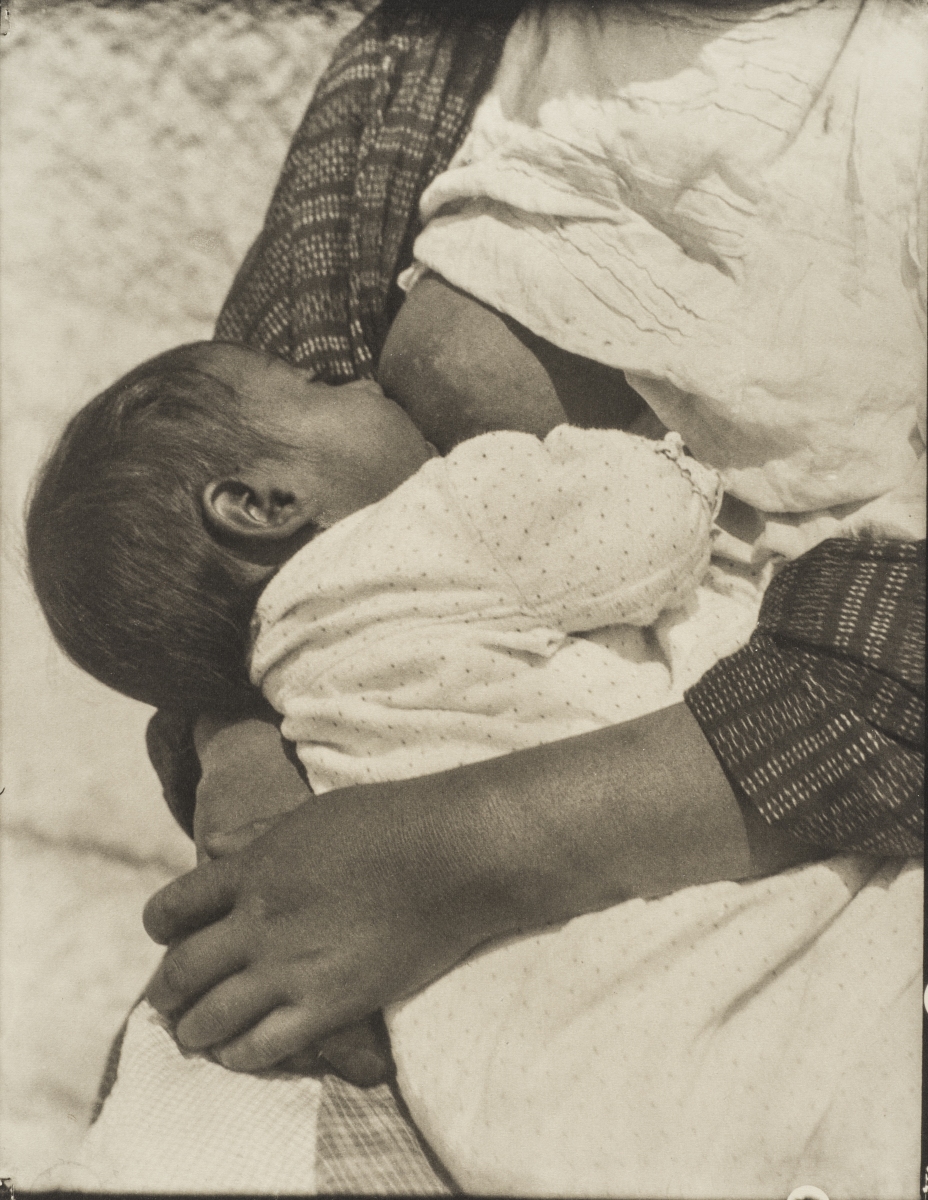
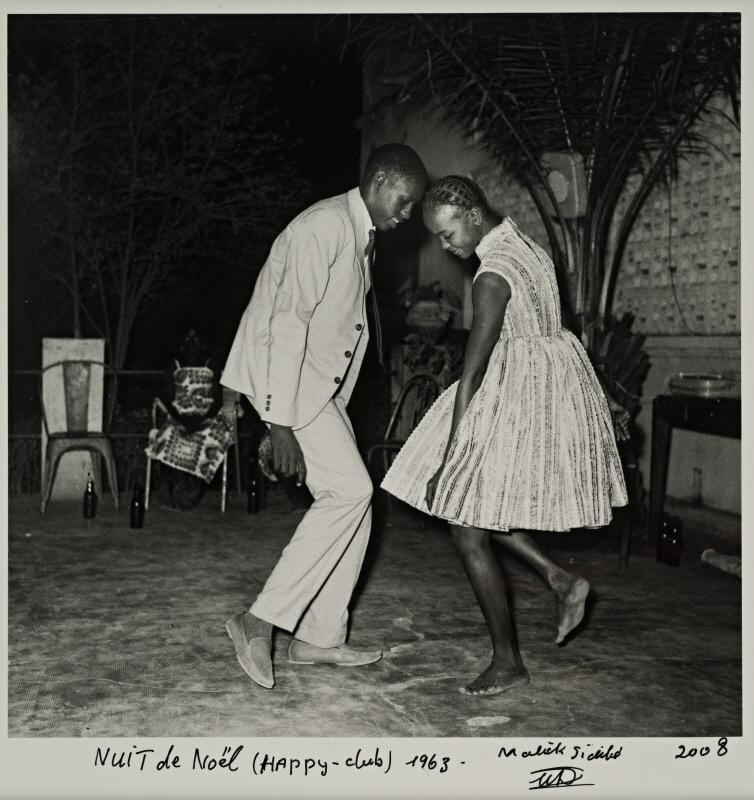
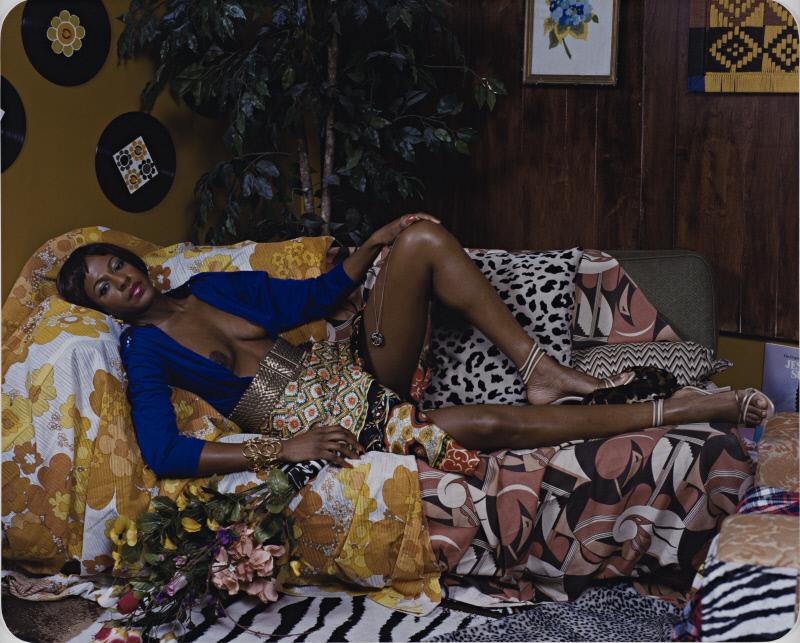
In the mid-twentieth century, many European nations began to physically withdraw from colonial territories, leaving behind institutions which continue to perpetuate colonial hierarchies. As photographers around the world reckoned with their medium’s oppressive history, they struggled to reclaim it as a tool of emancipation and self determination. With the concurrent second wave feminism and the Black Arts Movement of the mid-twentieth century in the United States, among other liberation movements, such reclamation seemed possible. Black women photographers linked their resistance of patriarchal barriers in the field with flourishing decolonial discourses. Defiant chemical baths visualized decolonization as these photographers used their medium to picture themselves, decentering photography from the White male gaze. As contemporary artist Kara Walker has said, portraits of women of color “spiral inward, away from the superficial tropes of [orientalist] exotica,” focusing instead on the complexities of their subjects’ femininity and sexuality. Photographs of Black and Indigenous joy exclaim the importance of pride and celebration in post-colonial resistance. Photography has become an introspective art form in the twenty-first century, empowered to confront colonial legacies and imagine liberated futures.
The decolonial visions offered through photography are akin to similar pursuits in other creative and scholarly fields. But what makes photography indispensable in the work of decolonization is its ubiquity and accessibility. Today photography is a medium that is accessible to most people, from smartphones to digital cameras to computers. Its all-encompassing reach is unmatched and ever-expanding. With its boundlessness, photography has the potential to amplify the historically-silenced voices of the oppressed. Photography still holds the promise of dismantling the persistent hierarchies of colonization, yet those legacies are multiple. We are still haunted and divided by the notion that some photographs are more truthful than others. Photojournalism, surveillance, and science photography, among others, are genres hailed as trustworthy but dominated by Whiteness. In the twenty-first century, post-black photographers continue working to collapse the strict binaries of truth and fiction in photography, reinventing it as a liberatory medium capable of reclamation, representation, and resistance. Still, this work remains unfinished.
Andrew Handrea, Loeb Curatorial Research Intern, Summer 2020
Discussion Questions
- How was portrait photography used in the nineteenth and early twentieth centuries to classify and commodify colonized peoples? How might Allan Sekula’s concepts of “honorific” and “repressive” photographs aid in understanding this legacy?
- In what ways do we see colonial practices, institutions, and hierarchies persist in the twenty-first century?
- What is the role of the archive in using photography as a colonial tool?
- How does photography help us to think about the links between European imperialism and North American slavery and persecution of Indigenous Americans?
- How has photography been useful to Black artists who address the trauma of colonialism and possibilities of post-colonial emancipation in their work?
Further Reading
- Mark Sealy, Decolonising the Camera: Photography in Racial Time (London: Lawrence & Wishart, 2019).
- Okwui Enwezor, ed. Snap Judgments: New Positions in Contemporary African Photography (Göttingen : Steidl, 2006).
- Jennifer Bajorek, Unfixed: Photography and Decolonial Imagination in West Africa (Durham, NC: Duke University Press, 2020).
- Aperture: Native America (Fall 2020).
- Ariella Azoulay, Potential History: Unlearning Imperialism (Brooklyn: Verso Books, 2019).
- Allan Sekula, “The Body and the Archive,” October Vol. 39 (Winter, 1986), 3-64.
Checklist of Photographs
Featured Objects