Fluid Exposure: Processing Gender Through Photography
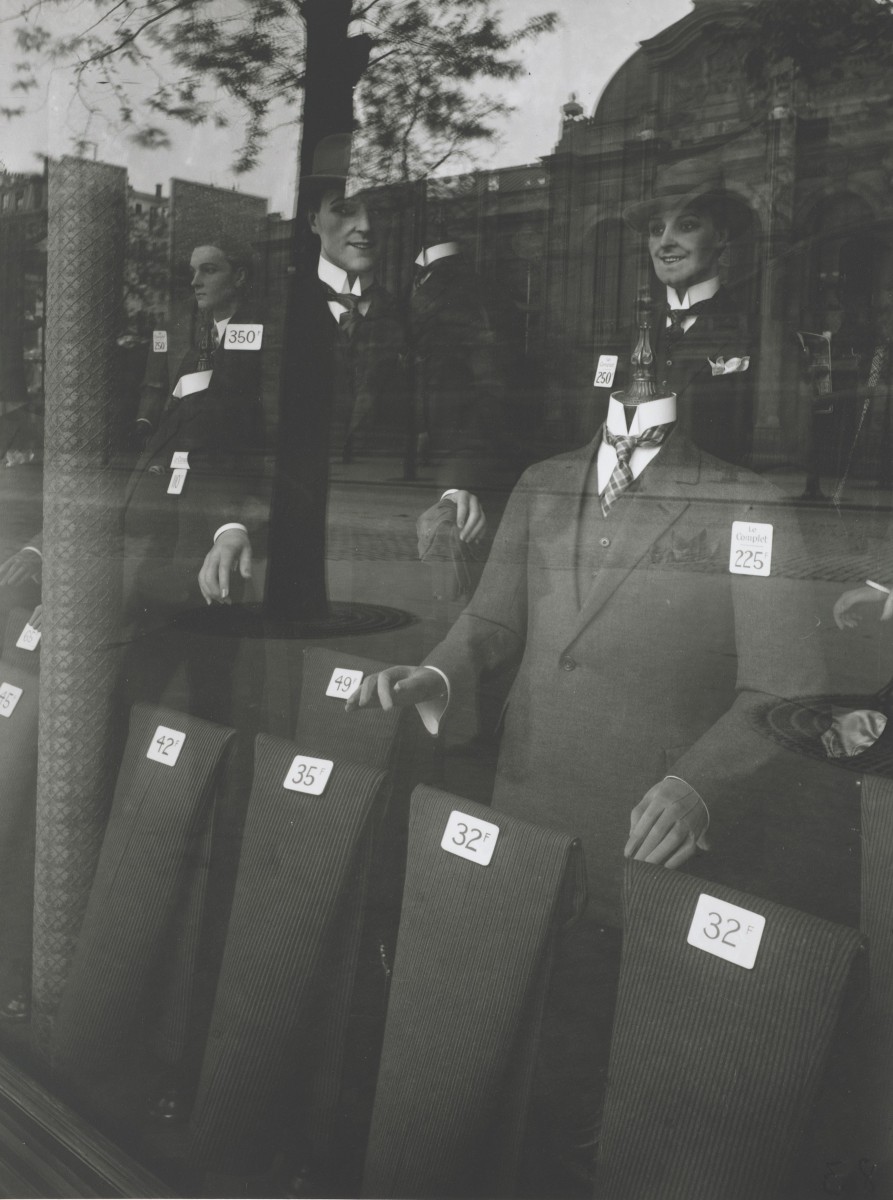
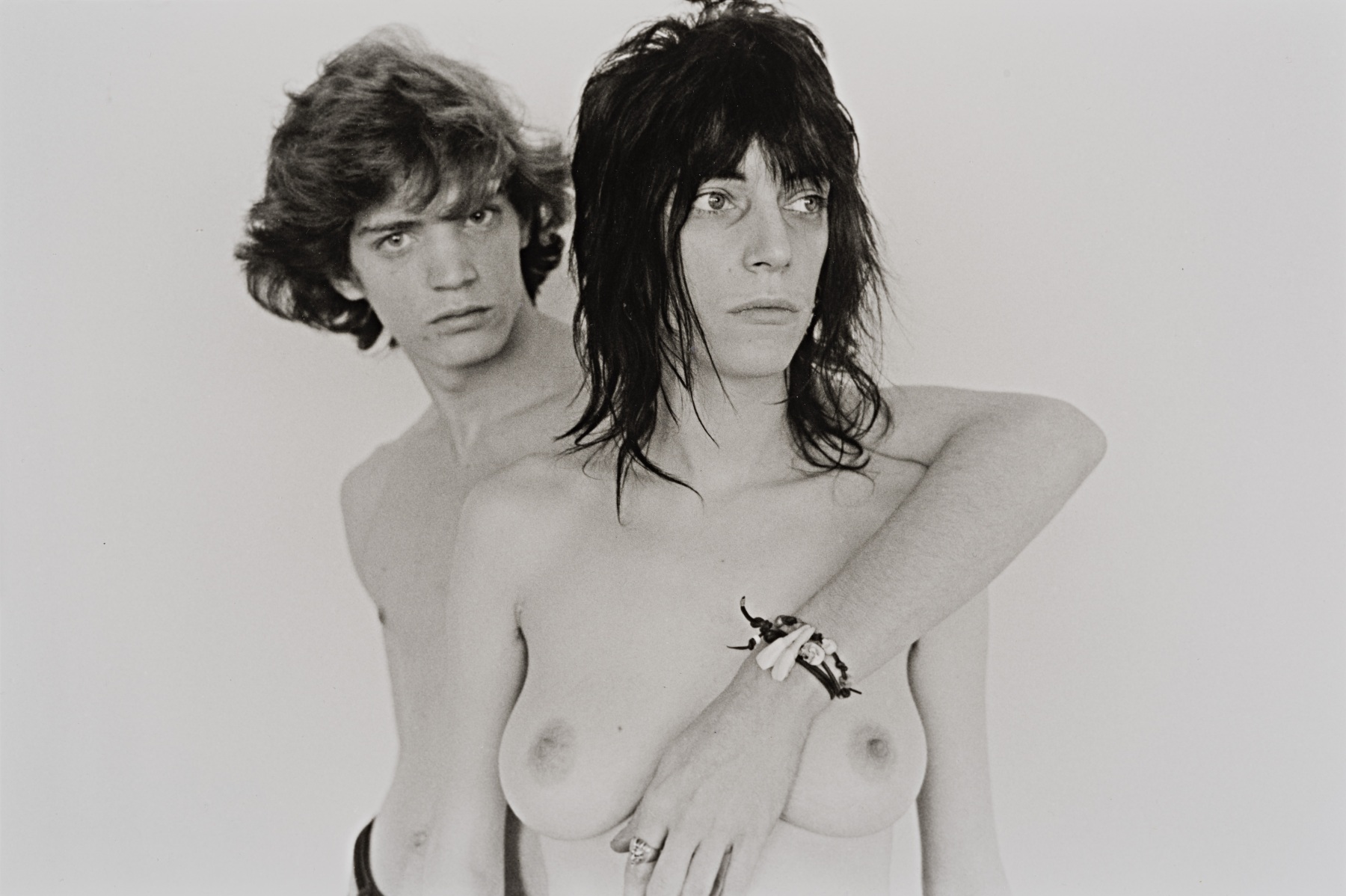
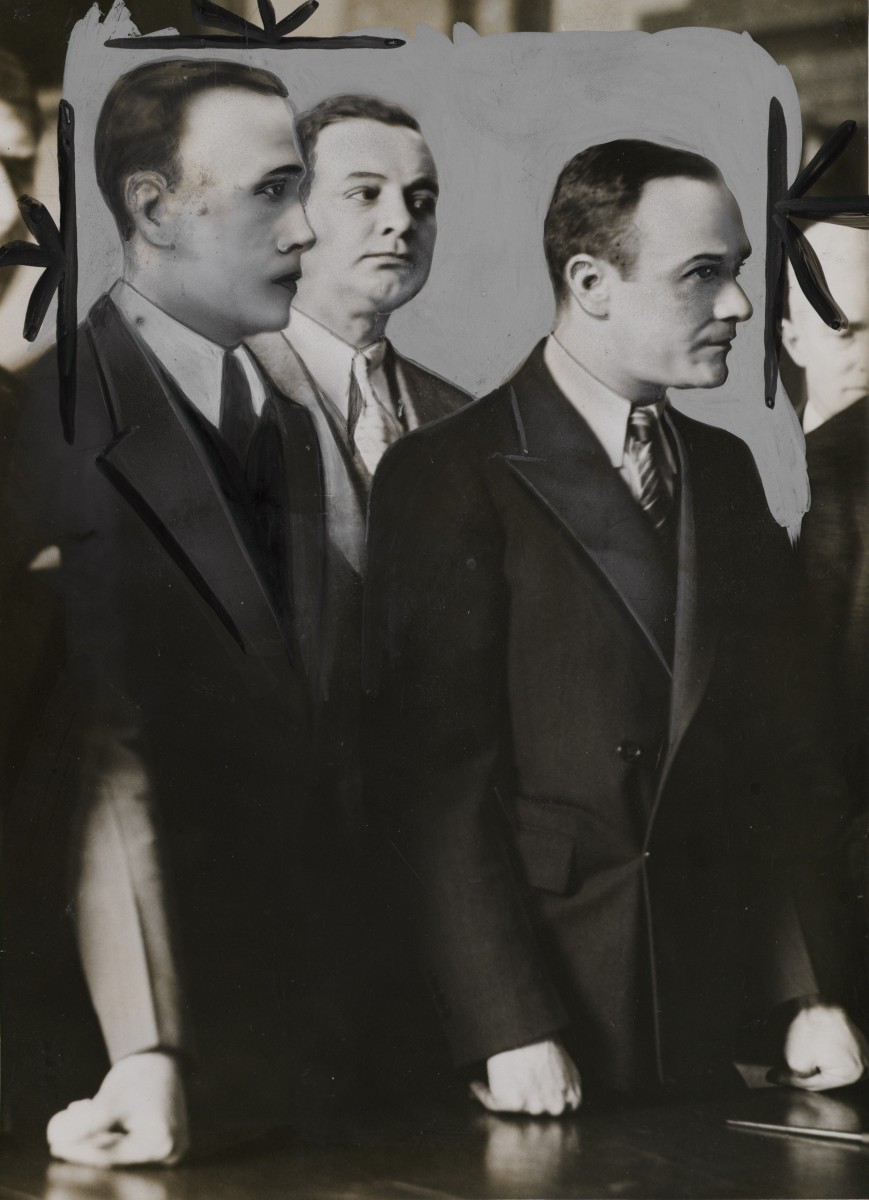
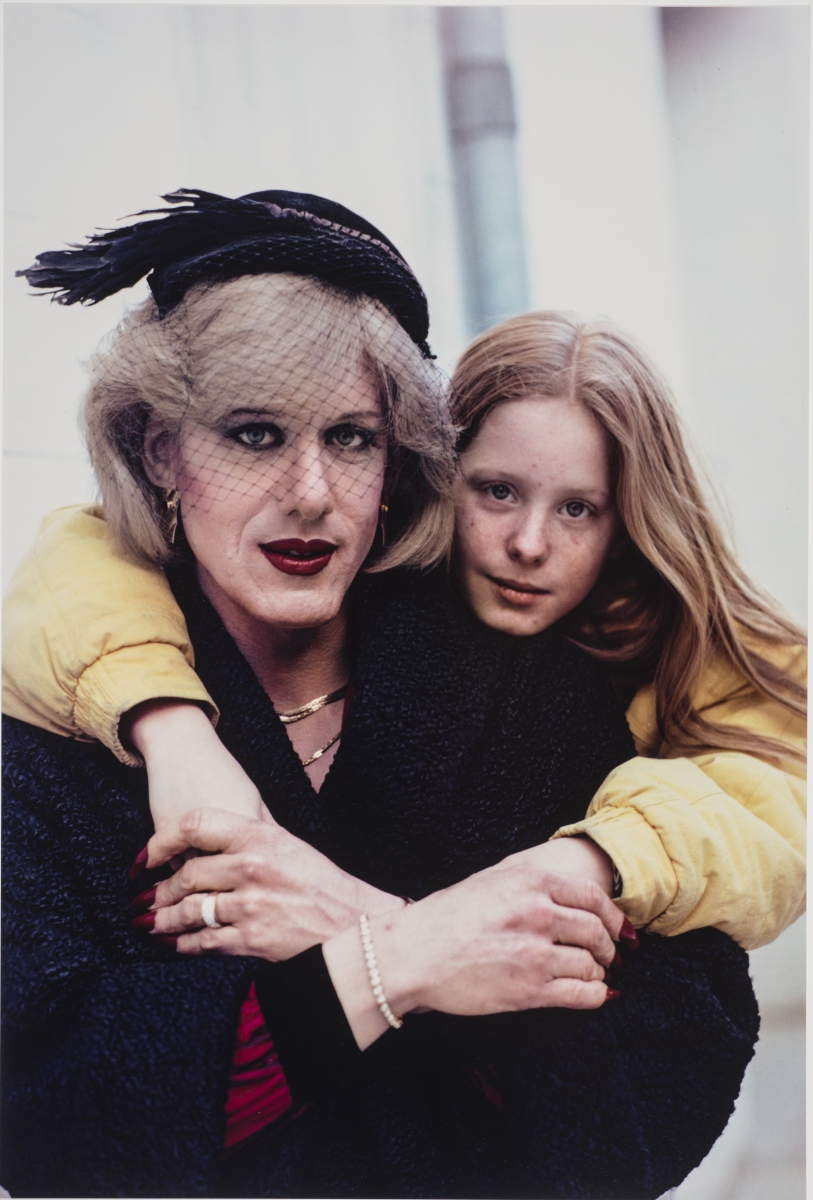
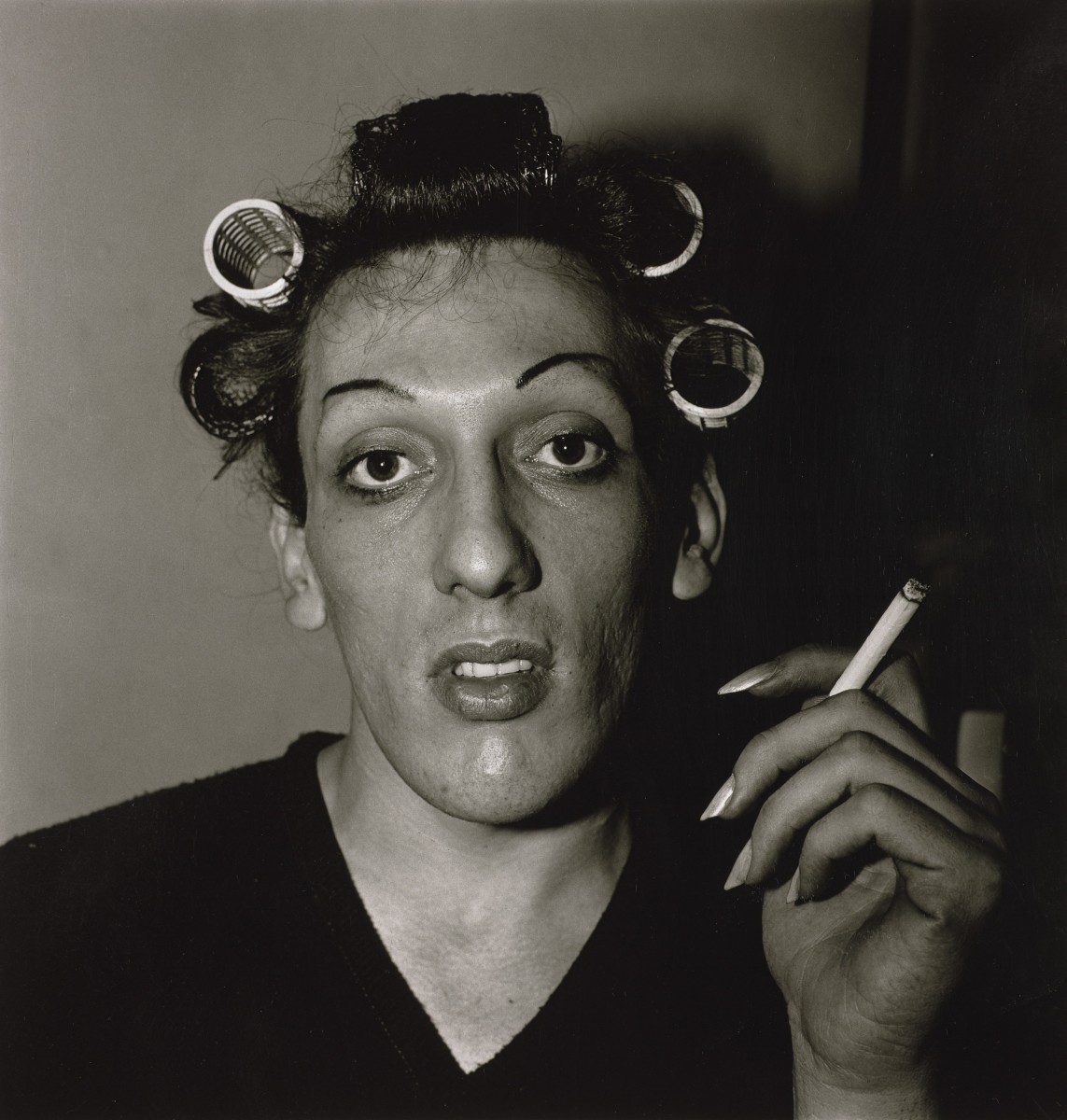
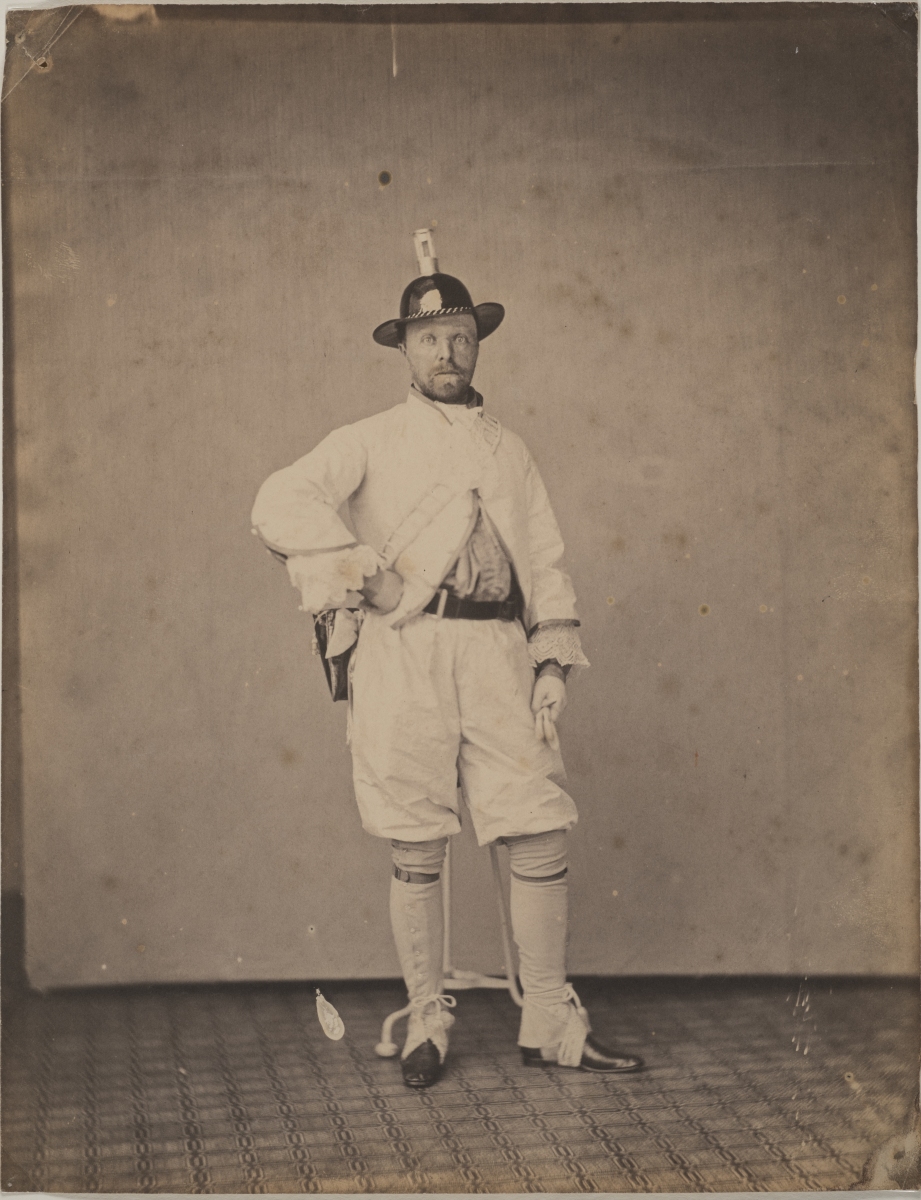
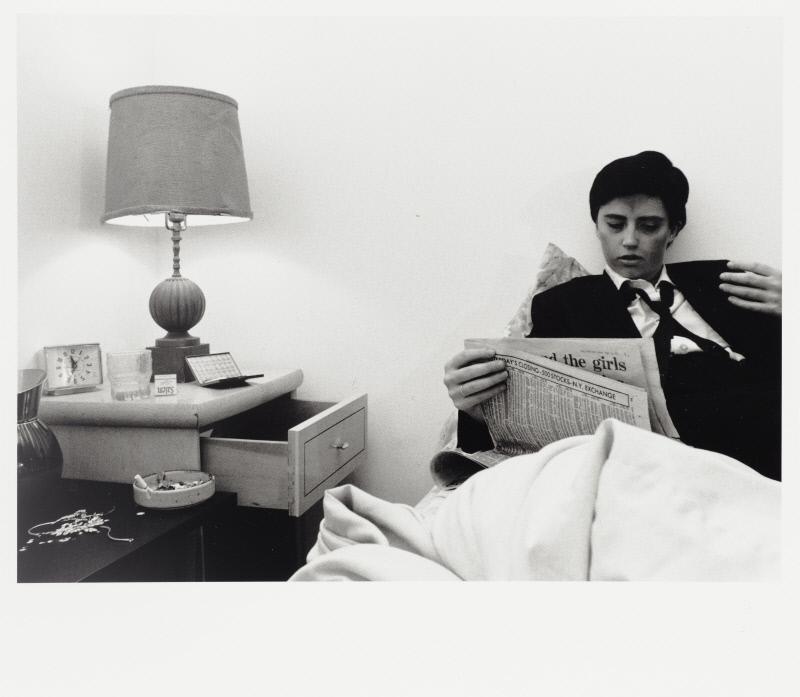
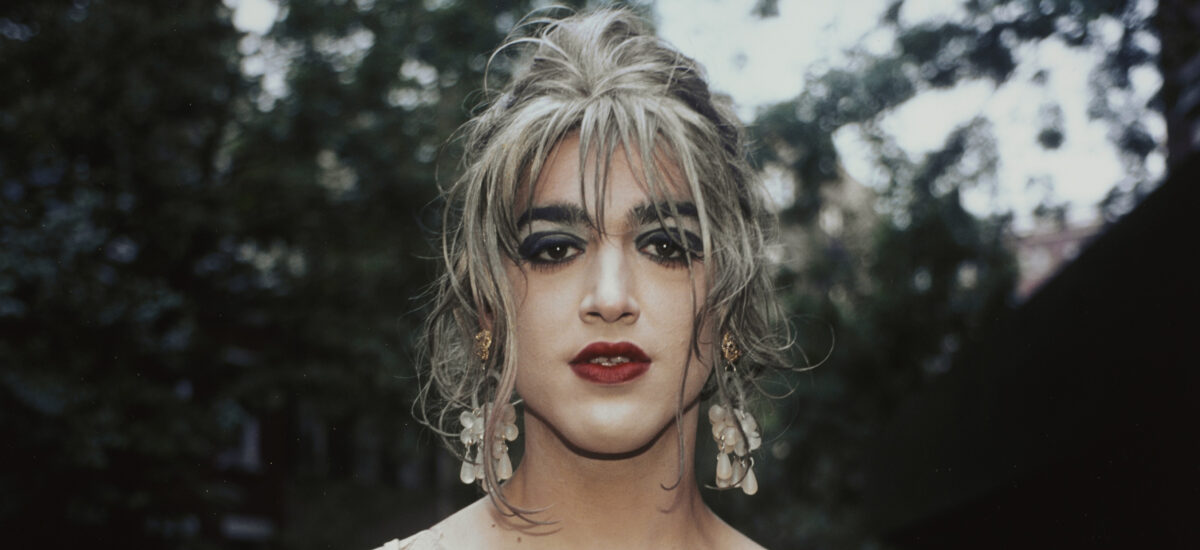
In early portrait photography, gender performance was visibly evident but often restricted to a binary interpretation. People were pictured under set conventions of manhood and womanhood, reinforced through visual tropes. Gender roles and identities appeared fixed and–for those who did not fit neatly–alienating. Though photography has been a tool for reinforcing mainstream gender roles and notions of sexuality, it has also been a powerful force in making visible the diversity of gender expression. In her essay “Performative Acts and Gender Constitution: An Essay in Phenomenology and Feminist Theory,” Judith Butler describes gender as an aspect of identity constructed through a “stylized repetition of acts.” Gender is neither naturally determined, nor is it a fixed binary; gender is performed and can be reimagined in infinite ways. Just as gender expression takes many forms, so does its representation in photography. Photographers have long explored issues of gender and sexuality through genres including studio portraiture, photojournalism, fashion, fine art, vernacular, and erotic photography.
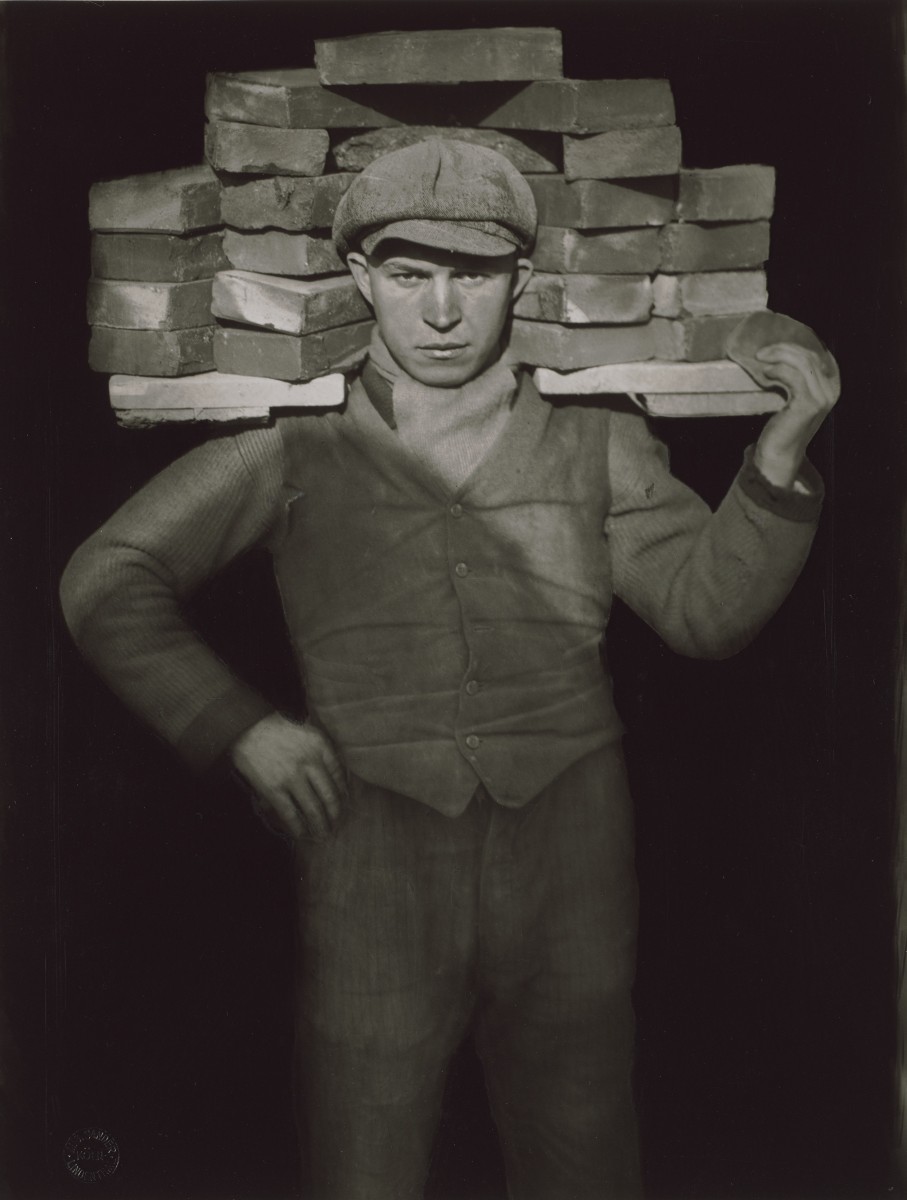
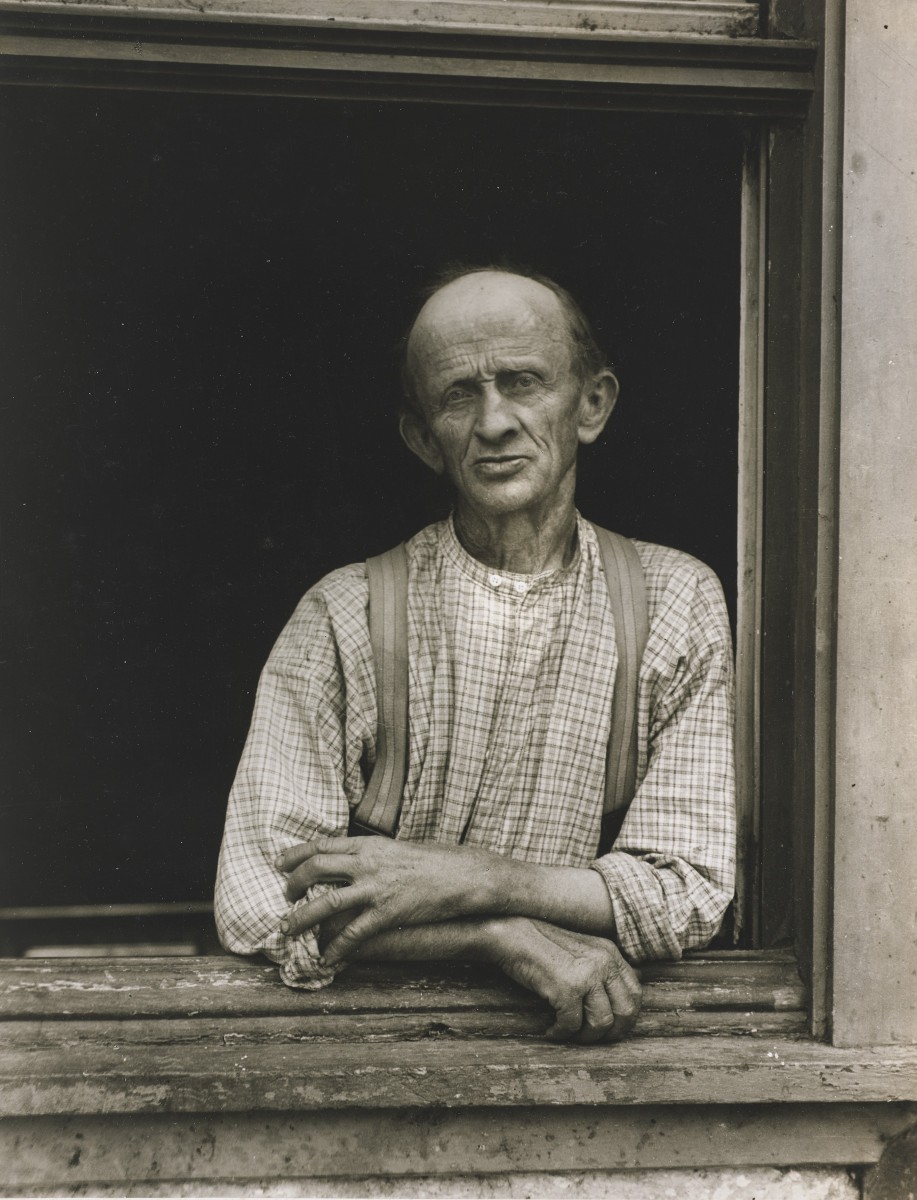
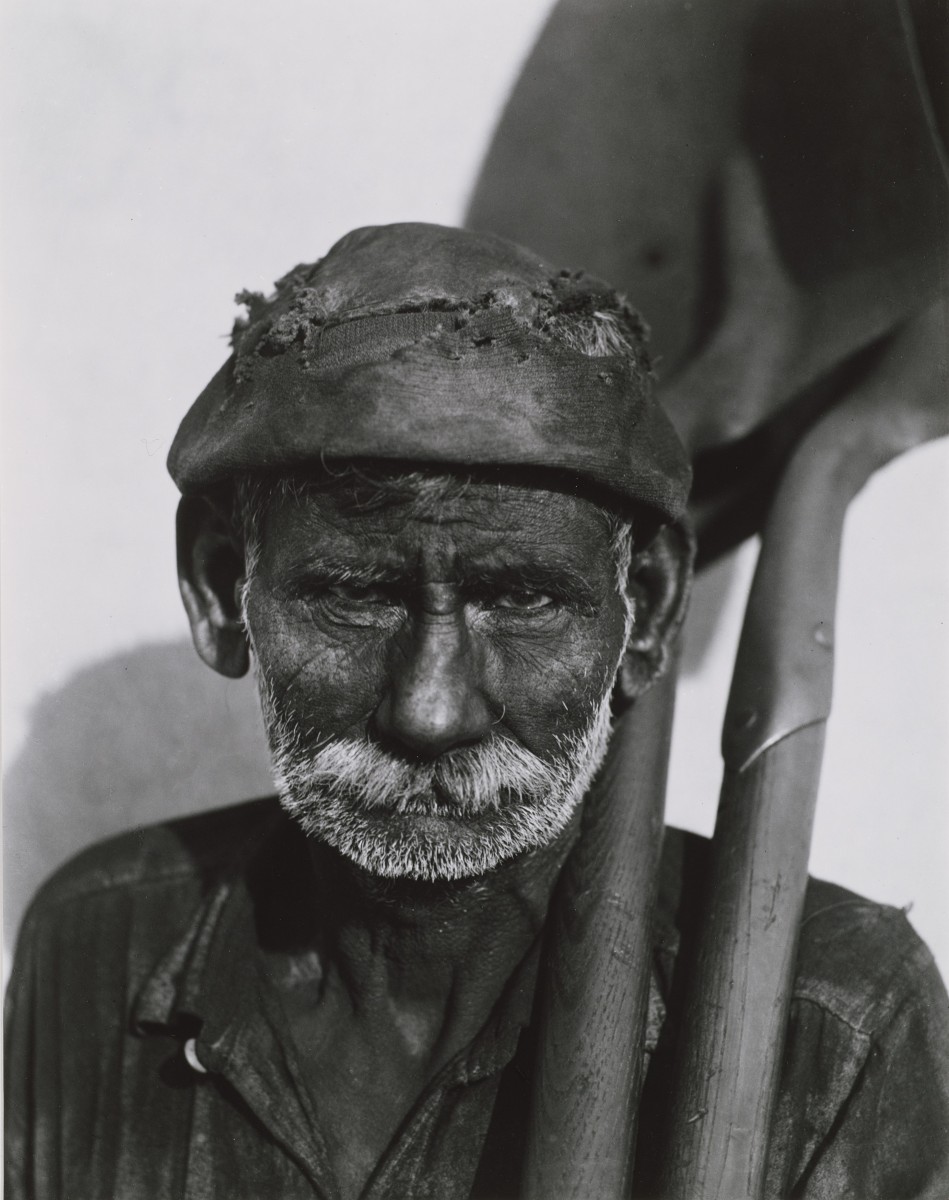
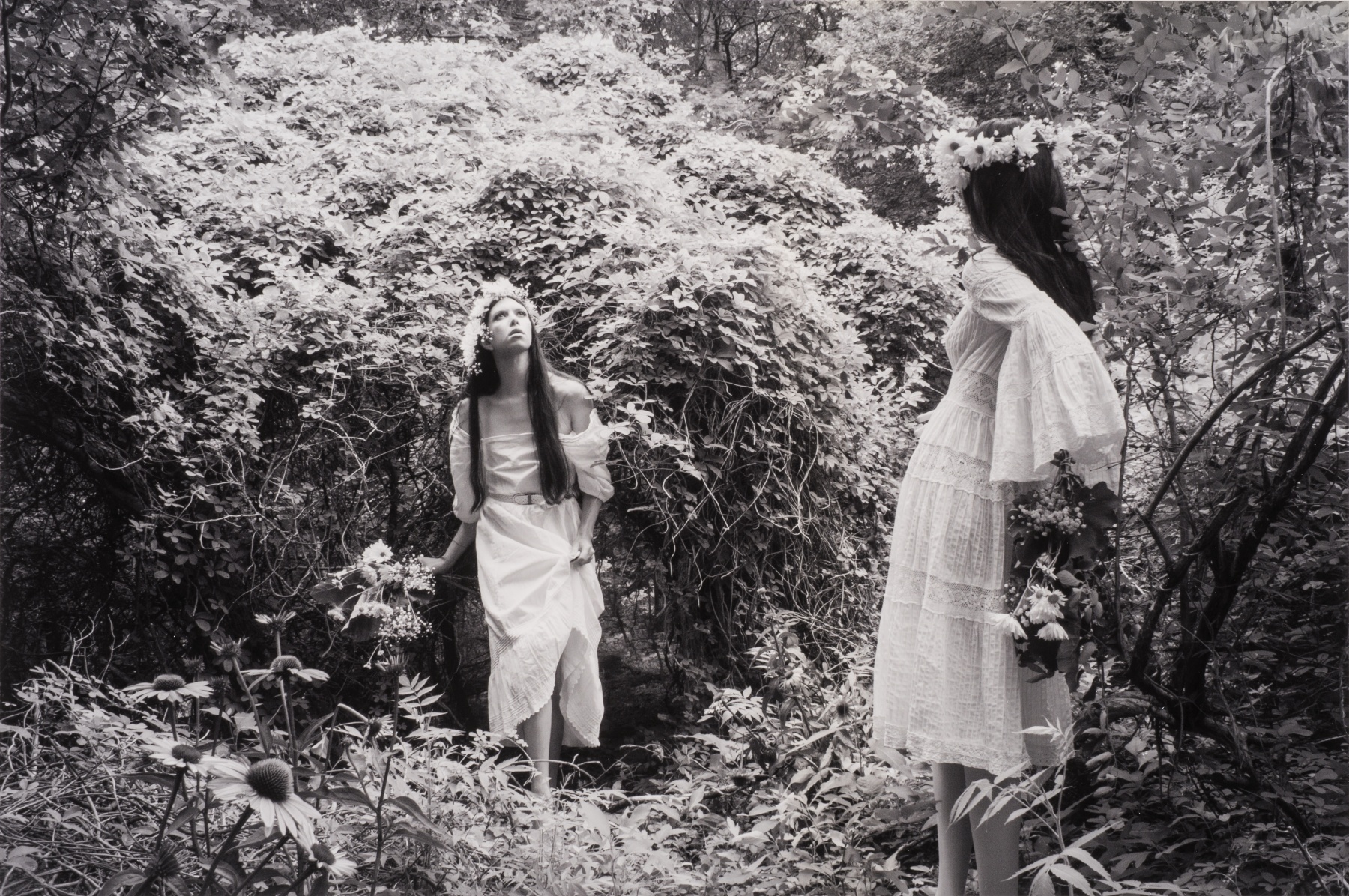
As evidenced by the early daguerreotype practice of placing a lock of the sitter’s hair alongside a portrait, photographs of people often act as keepsakes that communicate something tangible about the subject’s identity. However, our desire to understand photographs as stand-ins for physical identities can at times be problematic or restrictive. In the nineteenth and twentieth centuries, the straight and documentary movements championed the production of rigorously composed images that could be printed without edits. These movements–historically led by cisgender men–aimed to capture truthful, unaltered reality and fixed identity. While these photographs reflect the personalities, fashion, and social practices of the moment, they also uphold binary gender norms and heteronormative assumptions. When queer people were pictured, the exchange was fraught; their bodies were typically exoticized under the male gaze.
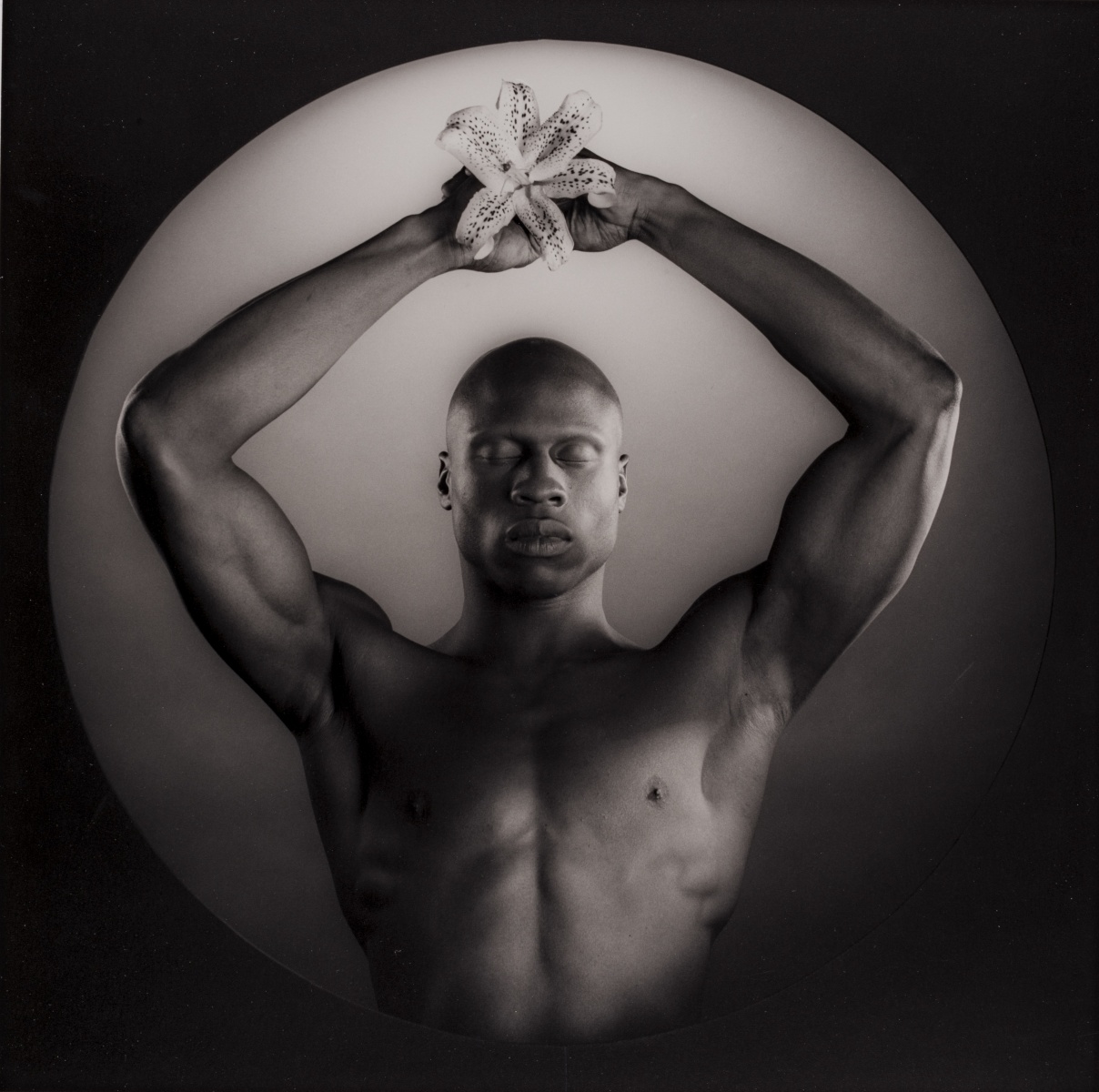
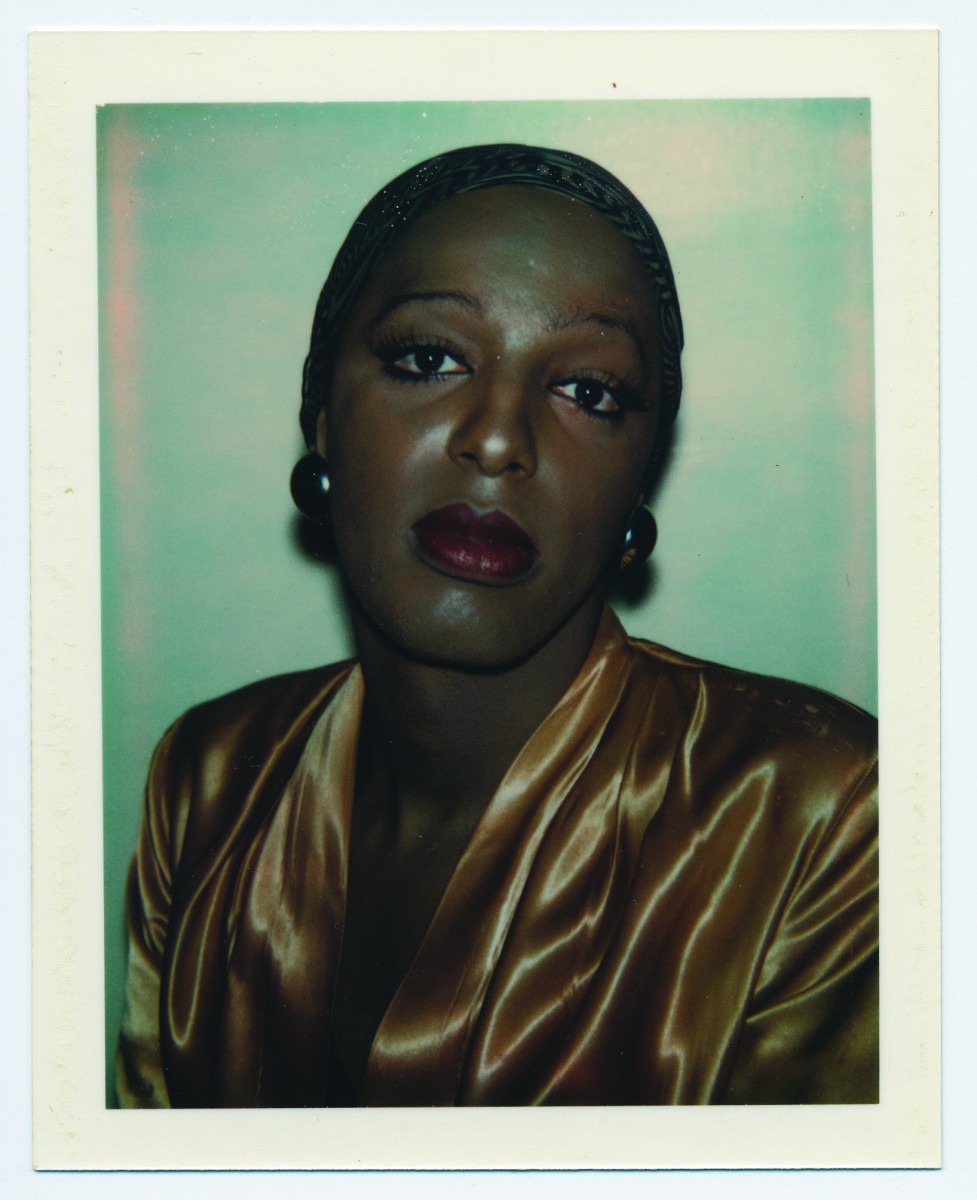
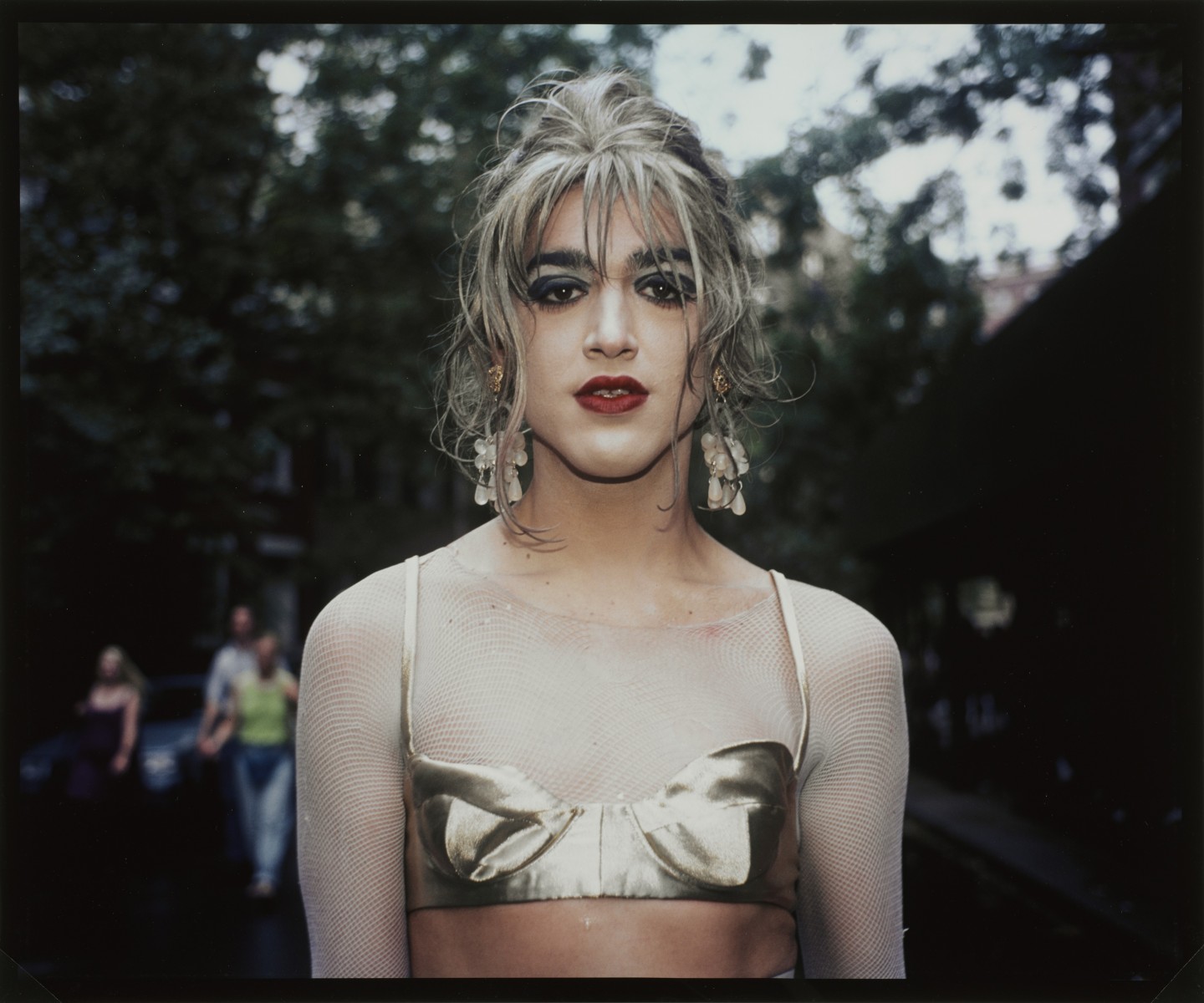
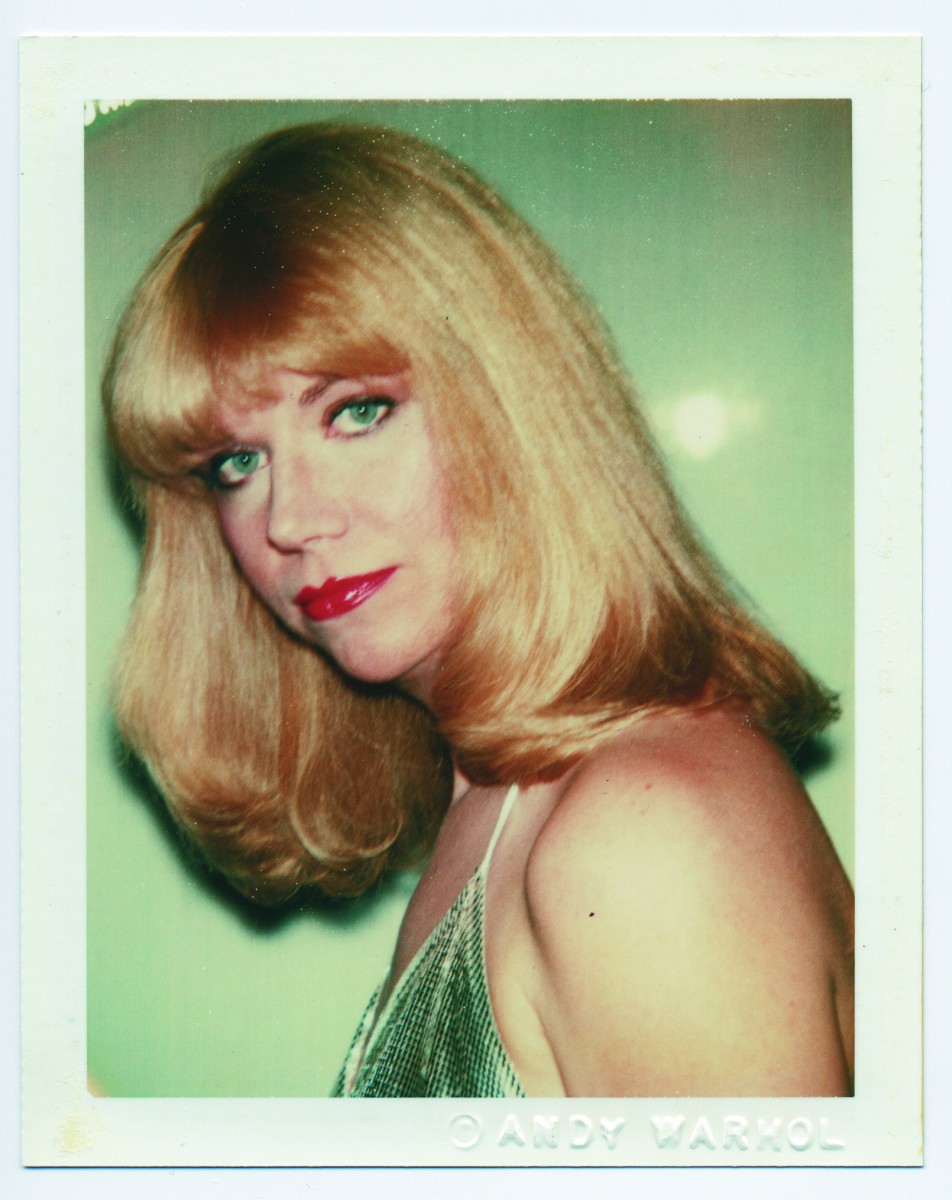
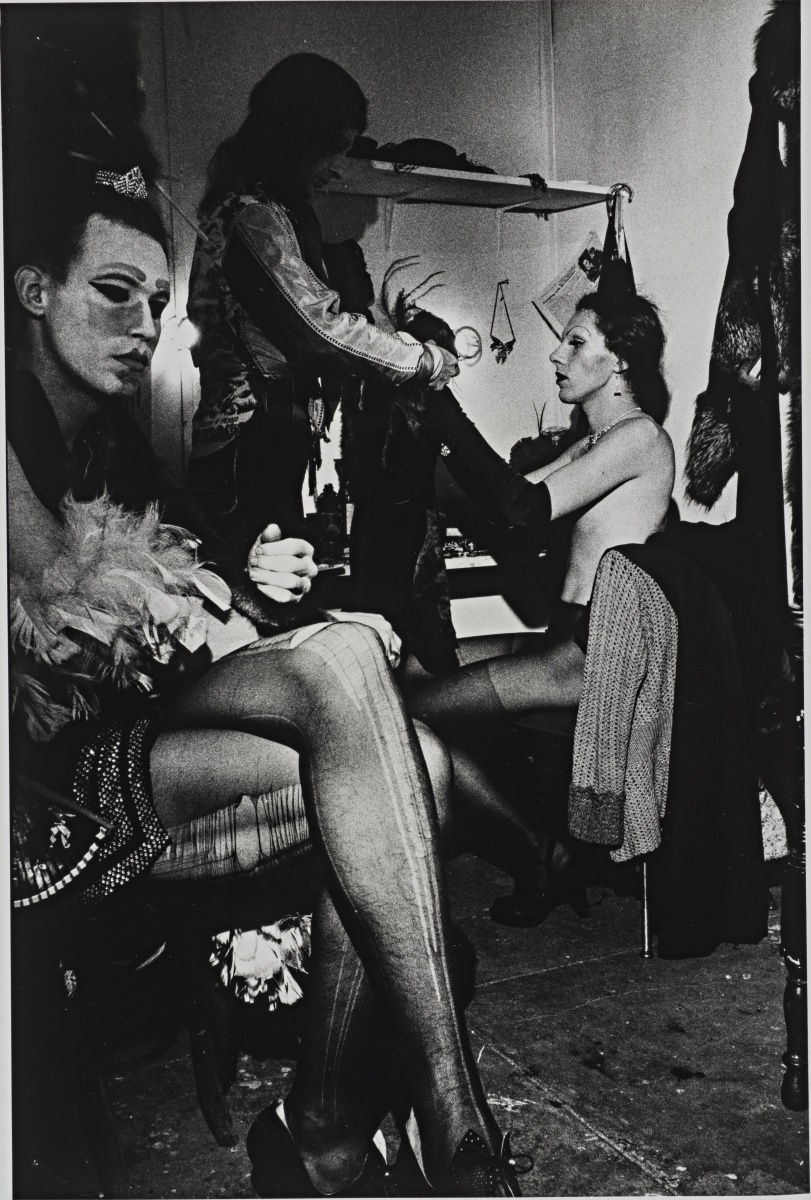
While today many themes including drag, androgyny, and queer chosen families are increasingly familiar in photography, it is important to remember that this is only due to the active work of queer artists and activists. LGBTQIA+ photographers have embraced a breadth of visual and theoretical approaches to examine gender norms; to validate their own existences; and to create visual histories of their own communities. In doing so, they actively undo the restrictions of straight photography and the male gaze. However, rather than simply rejecting traditional notions of masculinity, femininity, and the gaze, they retool and manipulate these norms. Perhaps one of most powerful aspects of queer photography is how artists turn the camera inwards. By using and subverting established genres–including self-portraiture, portraiture, documentary, and vernacular imagery–queer photographers communicate powerful emotional connections within their own communities.
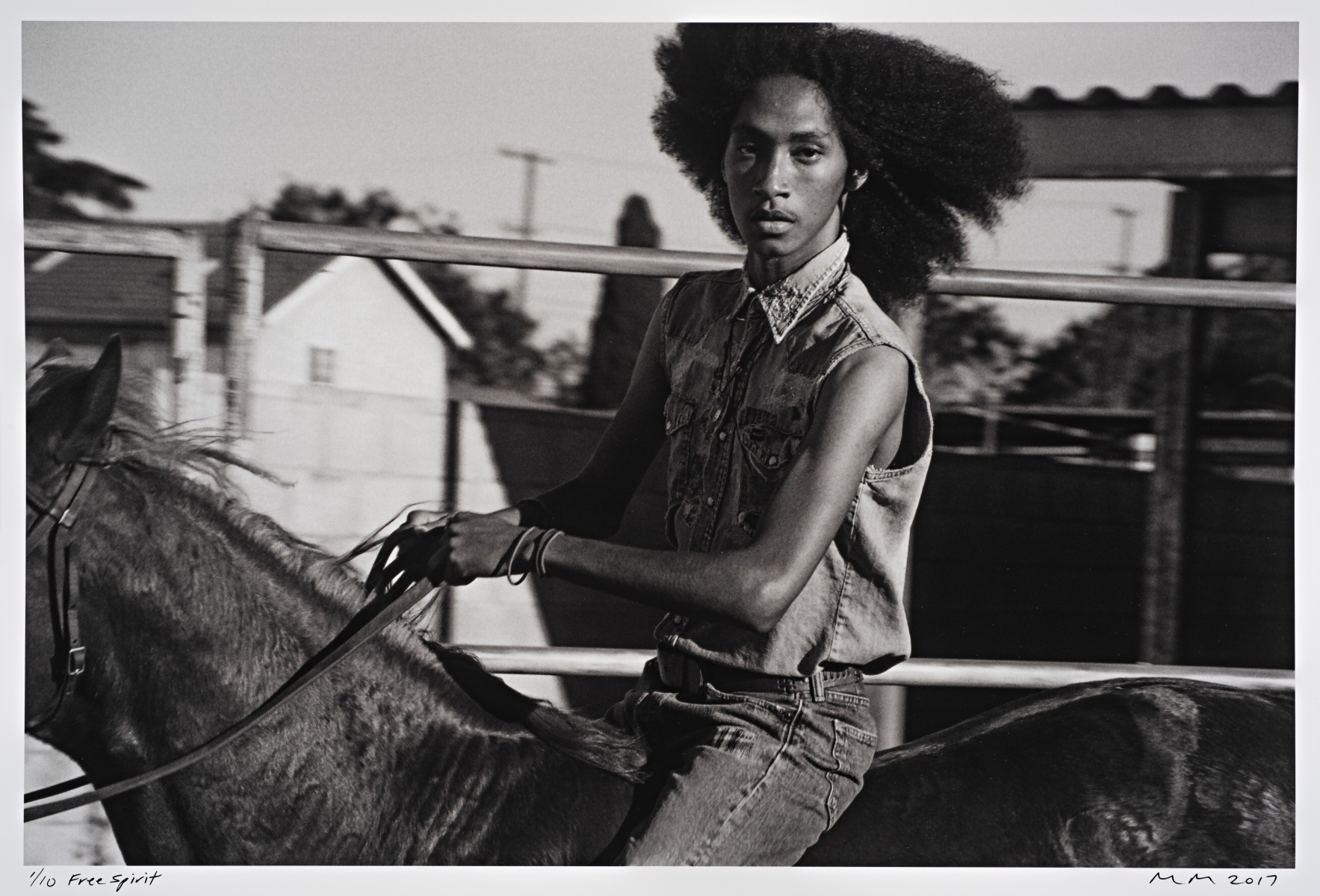
In addition to highlighting the diversity of gender performance, queer photographers emphasize the performativity of photo-making itself. In every photograph, there is a relationship between photographer and sitter. While making a portrait can be merely transactional, the exchange can also give agency to the subject. In the same way photographs have long been believed to capture identity, here they become meaningful means of affirming queer, trans, and non-binary identities. Photographs achieve this in a diverse fashion. Through self-portraiture, photographers give permanence to their own identity and play with familiar gender tropes. While many contemporary photographs often blur the line between documentary and fine art, they act as evidence and constructed histories of gender fluidity.
If photography is to truly depict the full spectrum of gender fluidity, it must also include the experiences of intersectional identities of people of color and people with disabilities. As a result of more accessible cameras and egalitarian social media platforms, artists with intersectional identities are increasingly able to share their own work and amplify the voices of others. Like zines, slideshows, and alternative newspapers produced by and for underground communities, these platforms not only foster community, but also encourage museums to critically reflect on the artists represented (and unrepresented) in their collections. As queer artists rewrite their own histories and assert their own visibility, many museums including the Loeb actively seek to exhibit and collect works by queer, trans, and non-binary photographers from diverse backgrounds.
Cassie Jain, Post-Baccalaureate Curatorial Fellow, 2020-21
Discussion Questions
- How do images communicate complex ideas about gender?
- What does it mean to claim that gender is a performance, rather than a fixed category of identity?
- How does the relationship or exchange between the sitter and the photographer show up in a photograph? Who has agency within the photo-making process?
- How do pop culture and social media reinforce or challenge gender norms? How do they allow for greater, more diverse visibility?
Further Reading
- Andrew van der Vlies, “Queer Knowledge and the politics of the gaze in contemporary South African photography: Zanele Muholi and others,” Journal of African Cultural Studies, Vol. 24, No. 2 (December 2012).
- Christof Ribbat, “Queer and Straight Photography,” Amerikastudien / American Studies, 2001, Vol. 46, No. 1, Queering America (2001).
- Gordon Hall, “Why I Don’t Talk About ‘The Body’: A Polemic,” Monday Journal, Vol. 4.
- Jennifer Blessing, “Rrose is a Rrose Revisited,” Aperture, Issue 229 – Future Gender (Winter 2017).
- Jennifer V. Evans, “Seeing Subjectivity: Erotic Photography and the Optics of Desire,” The American Historical Review, Vol. 118, No. 2 (April 2013).
- Judith Butler, “Performative Acts and Gender Constitution: An Essay in Phenomenology and Feminist Theory,” Theatre Journal, Dec., 1988, Vol. 40, No. 4 (Dec. 1988).
Checklist of Photographs
Featured Objects