Women’s Work: Making Labor Visible Through Photography
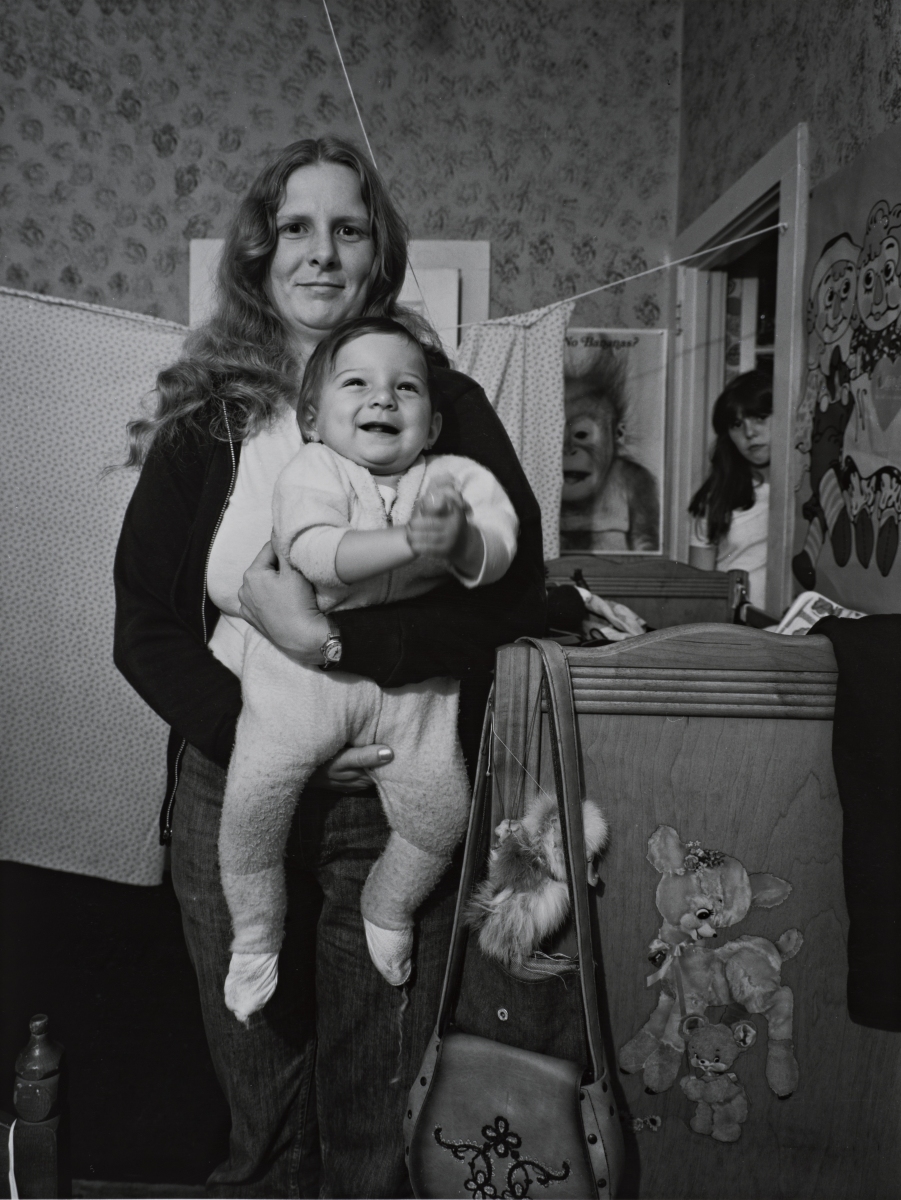
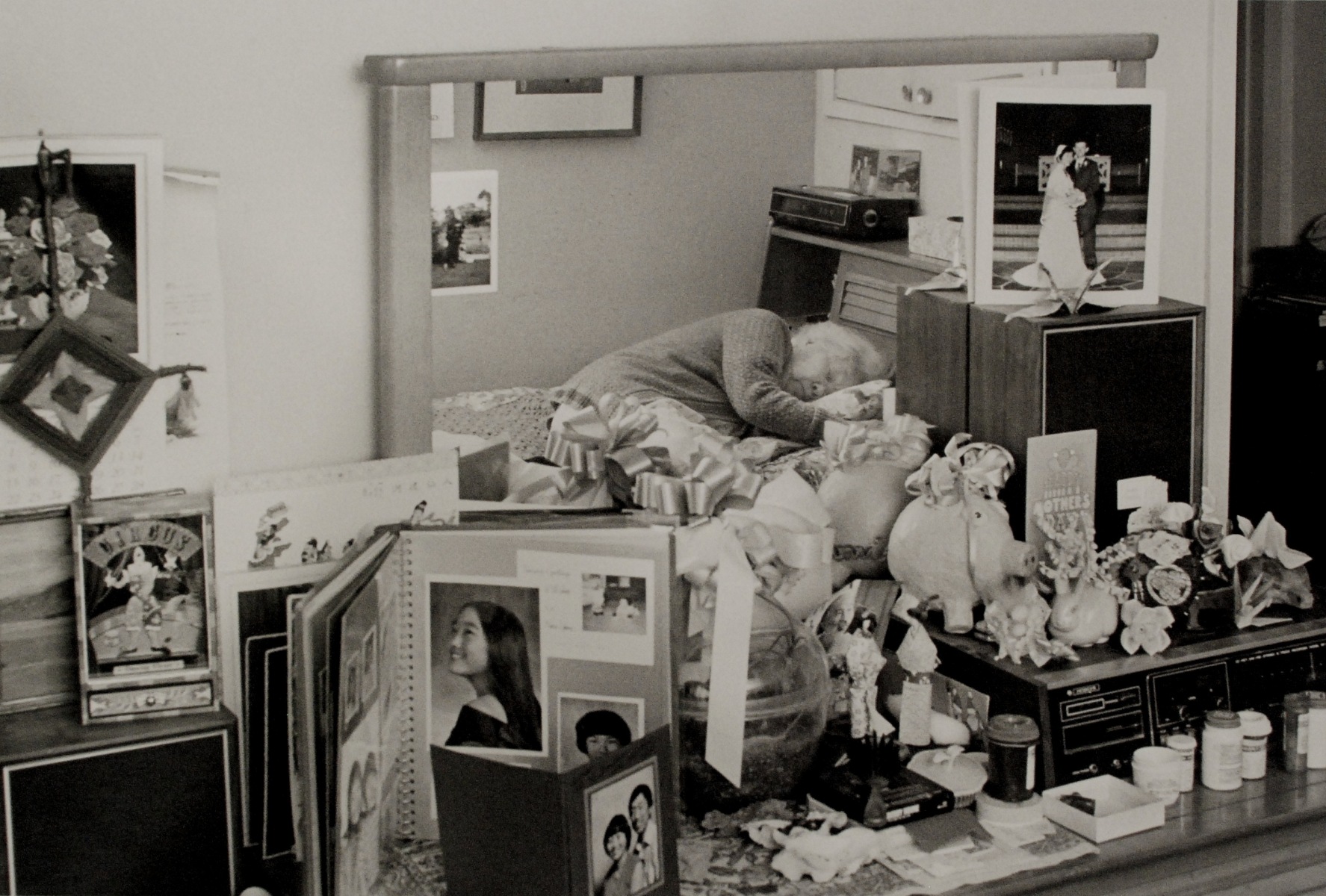
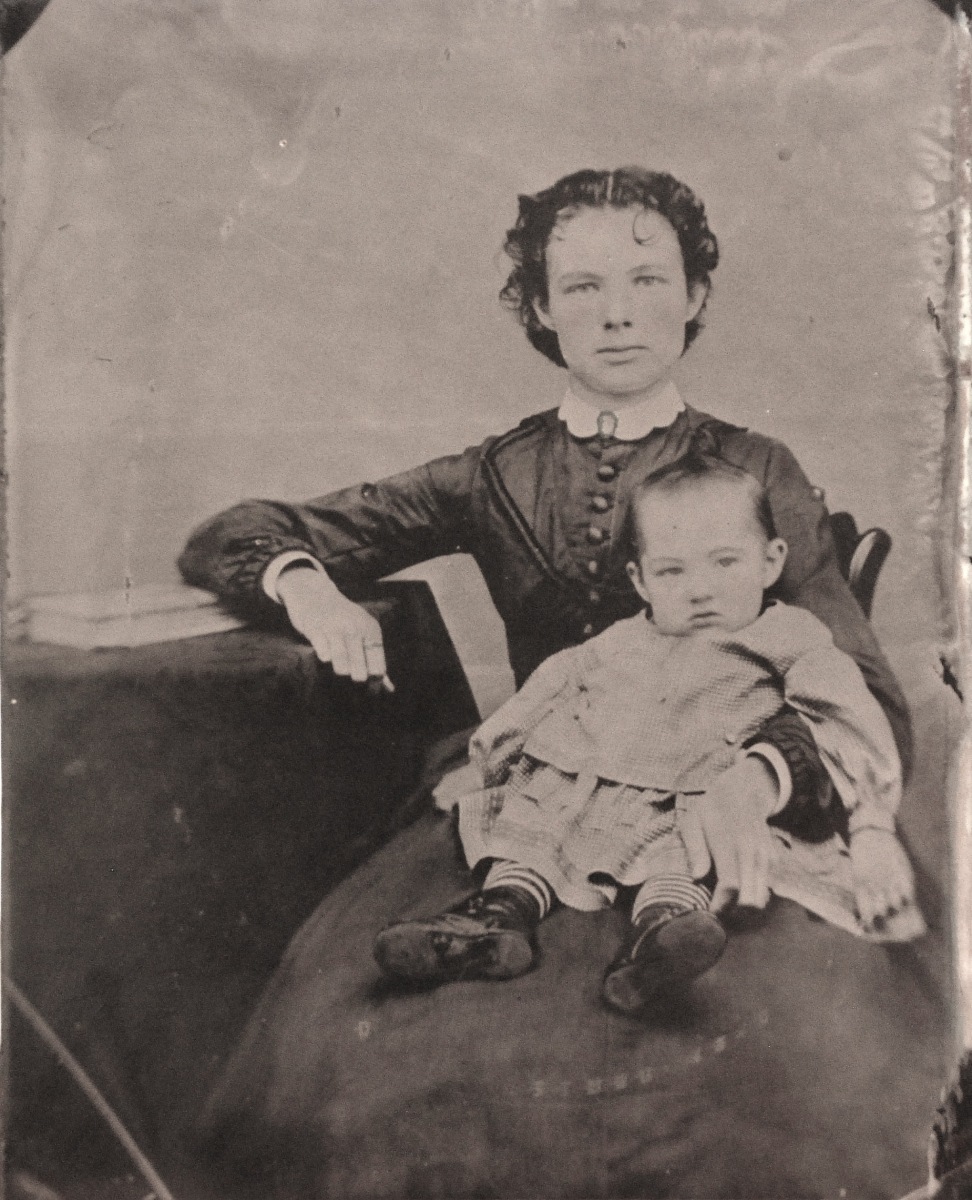
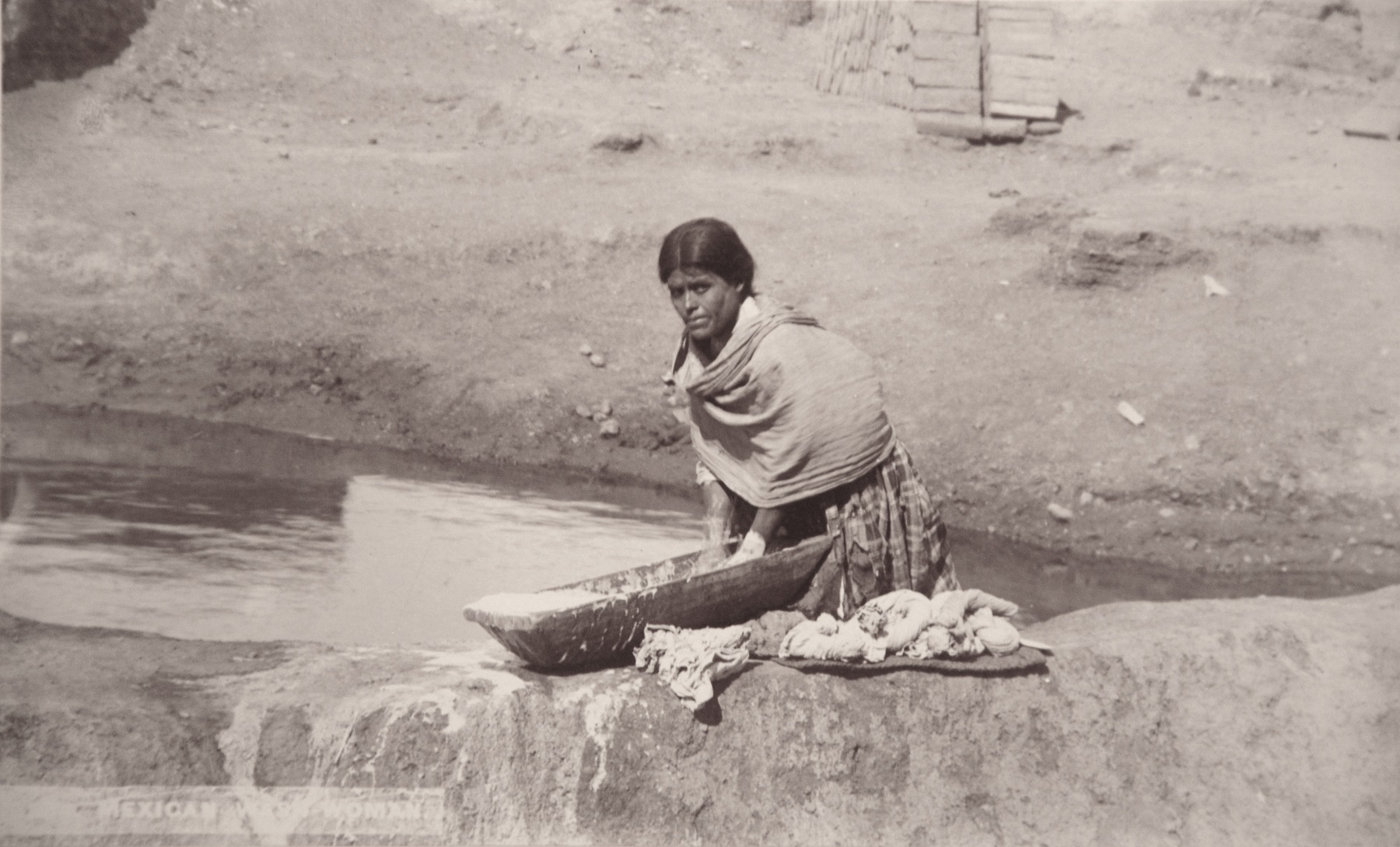
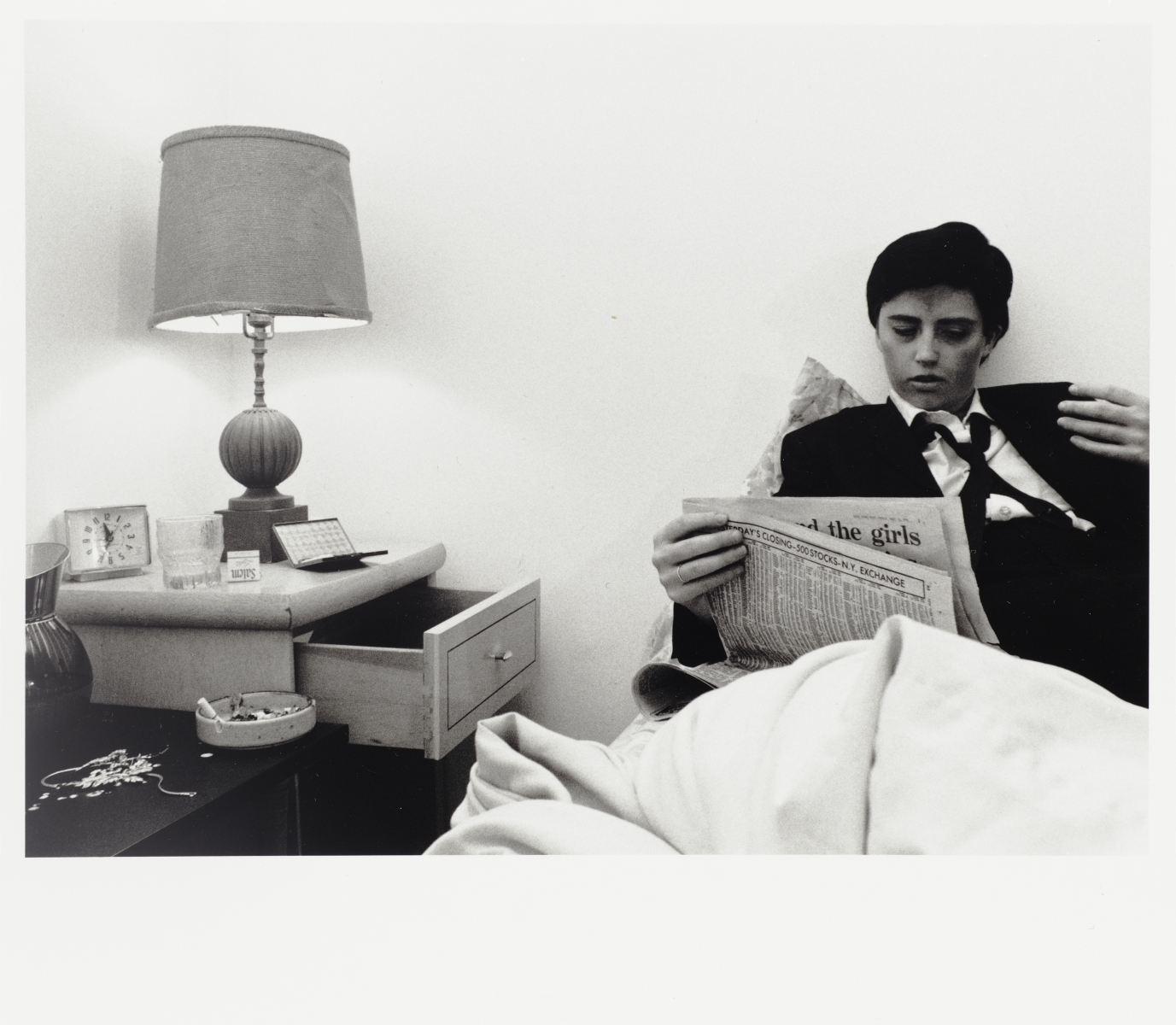
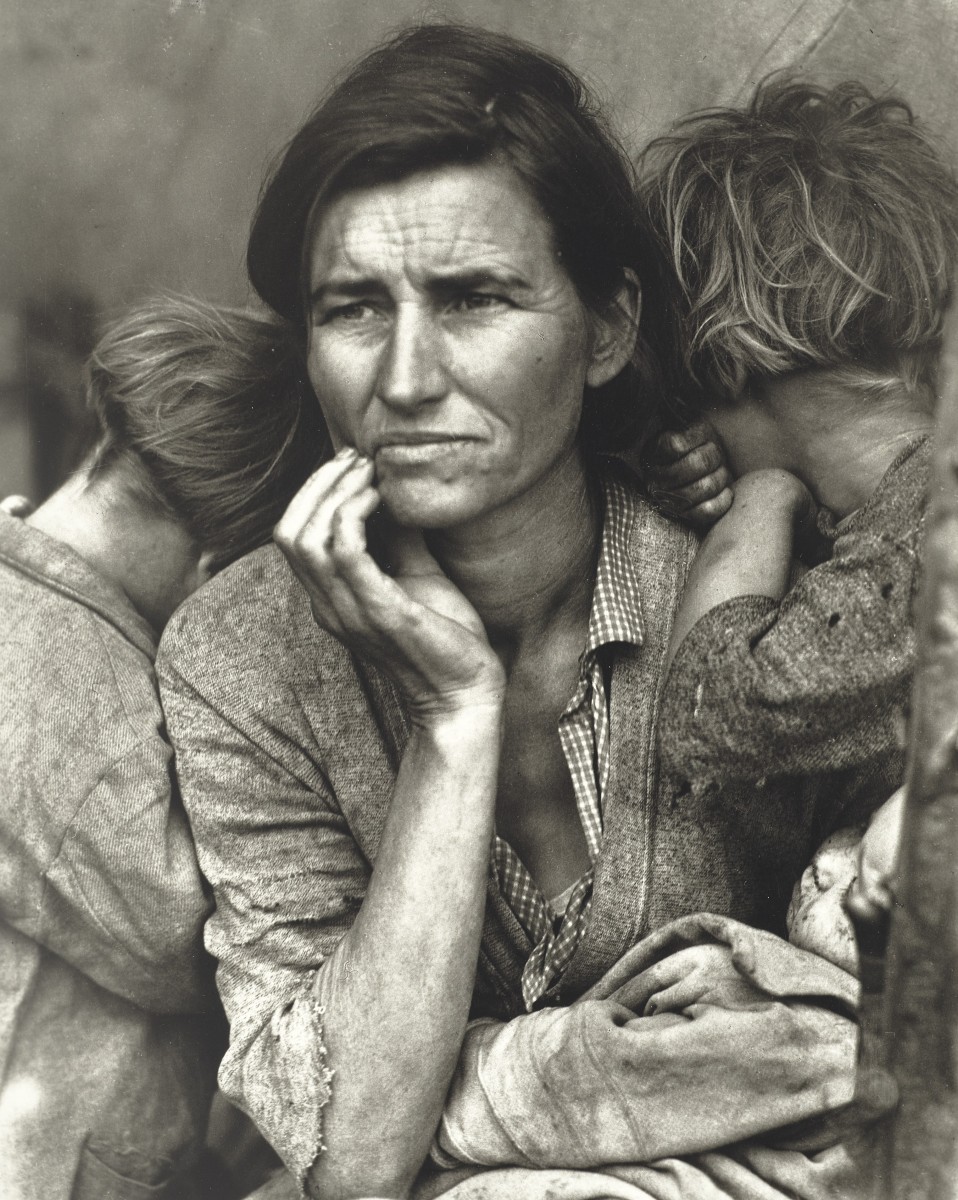
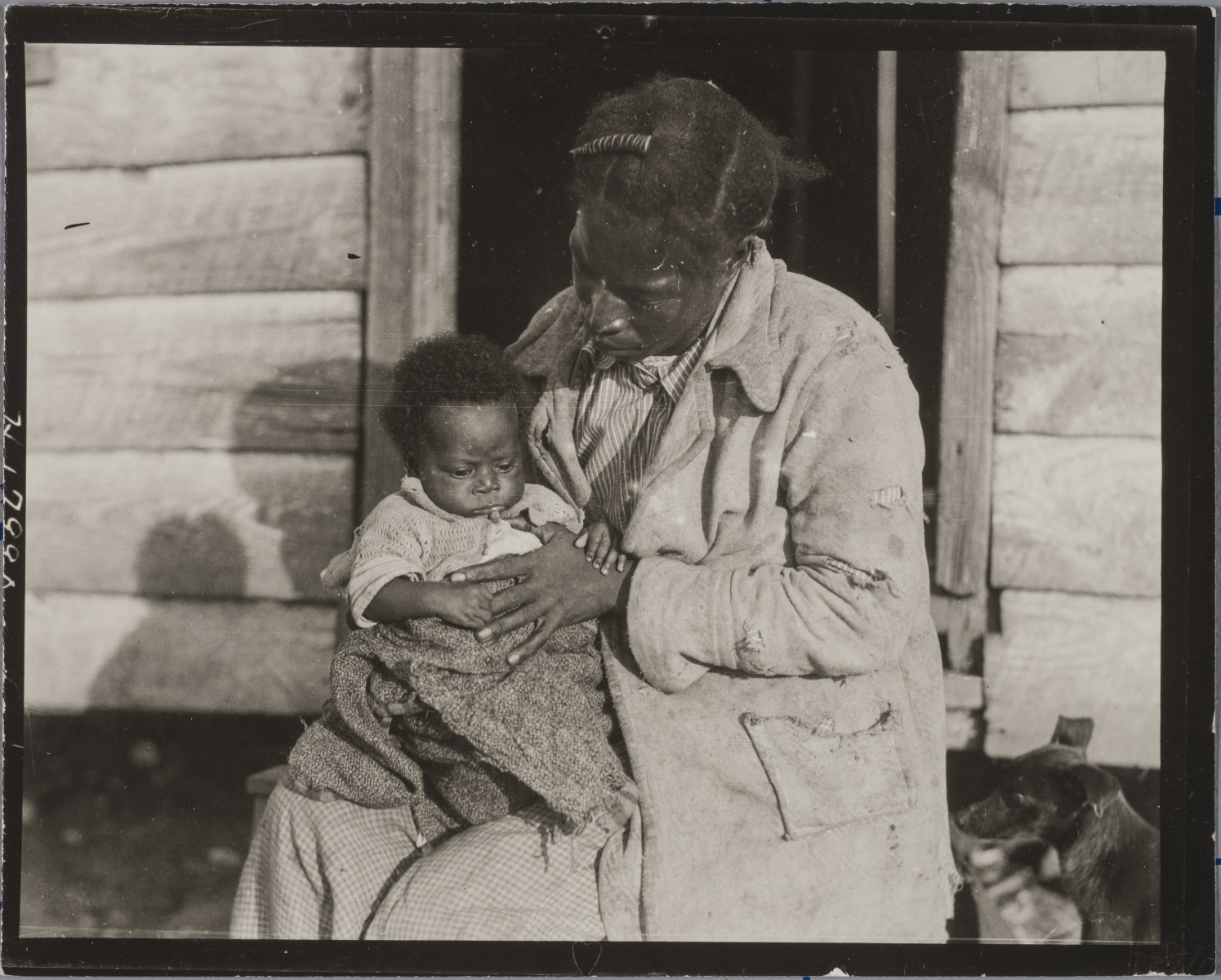
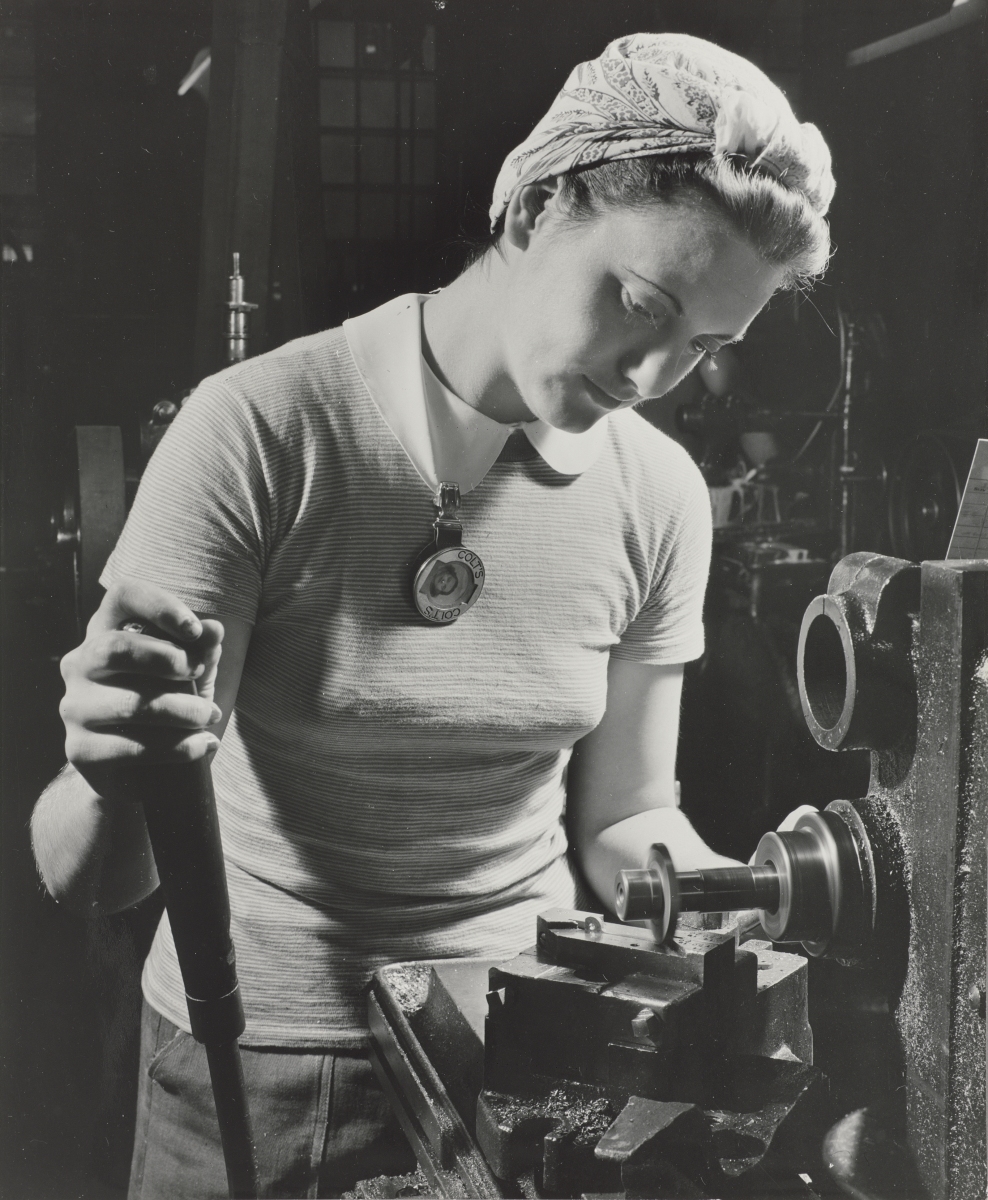
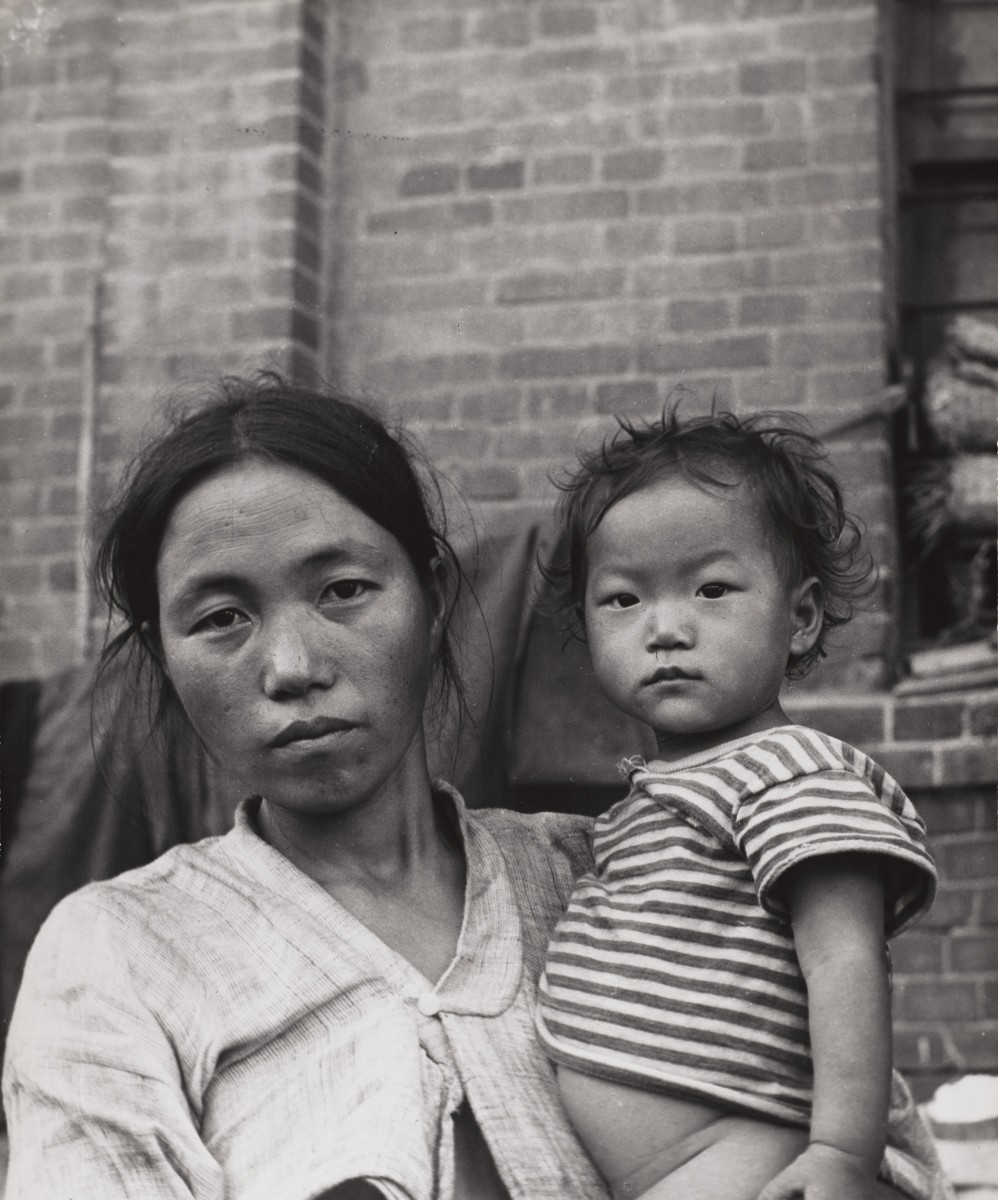
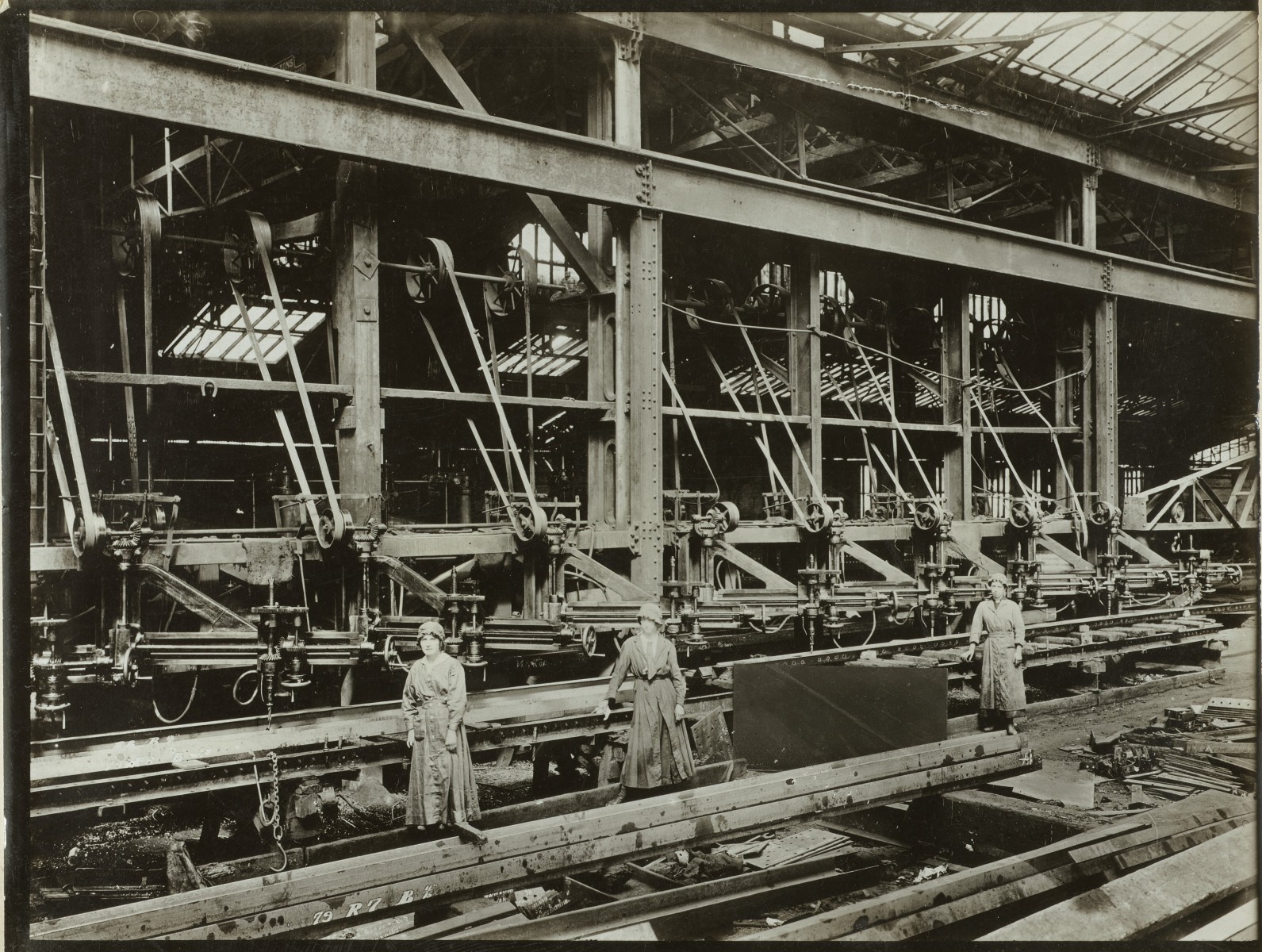
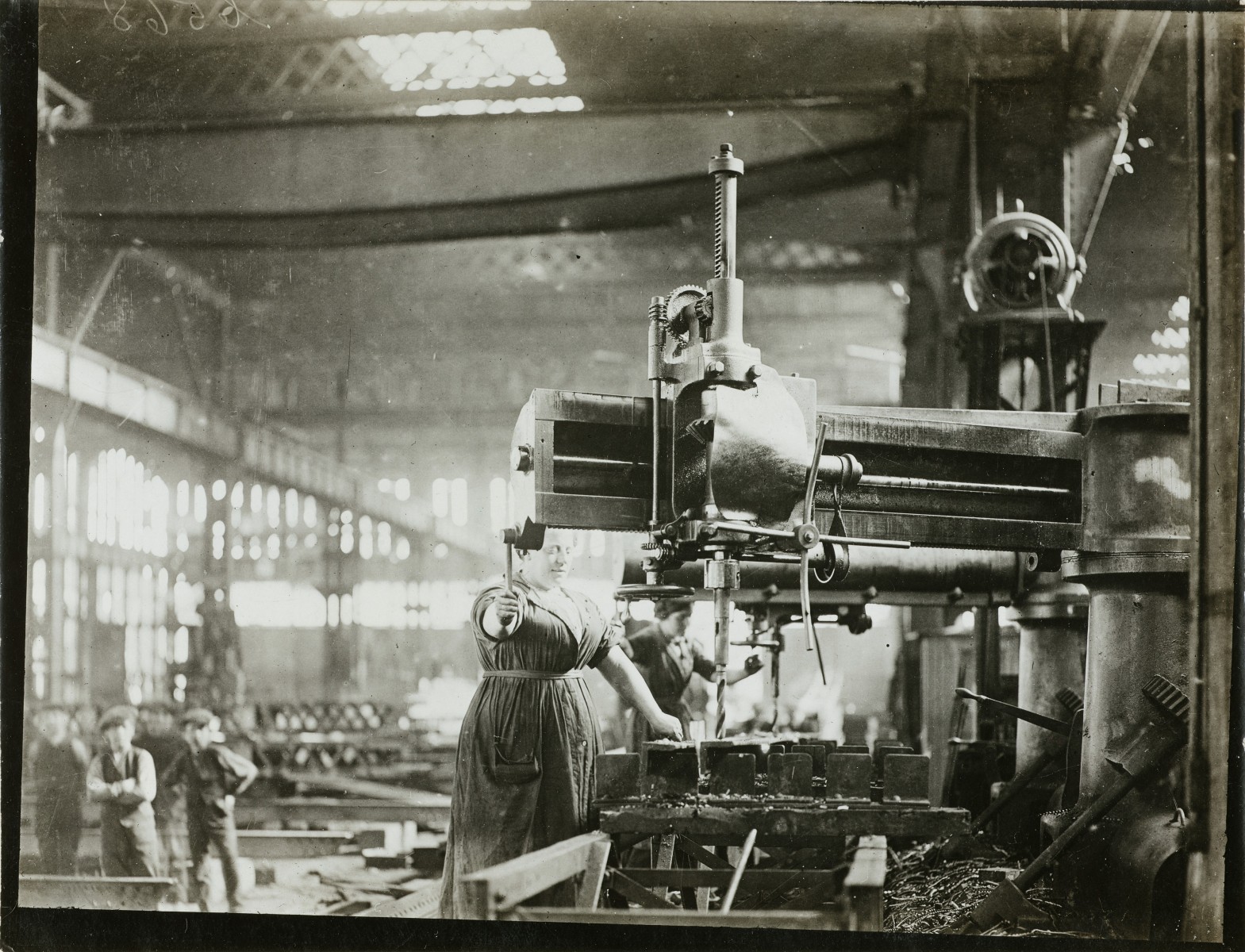
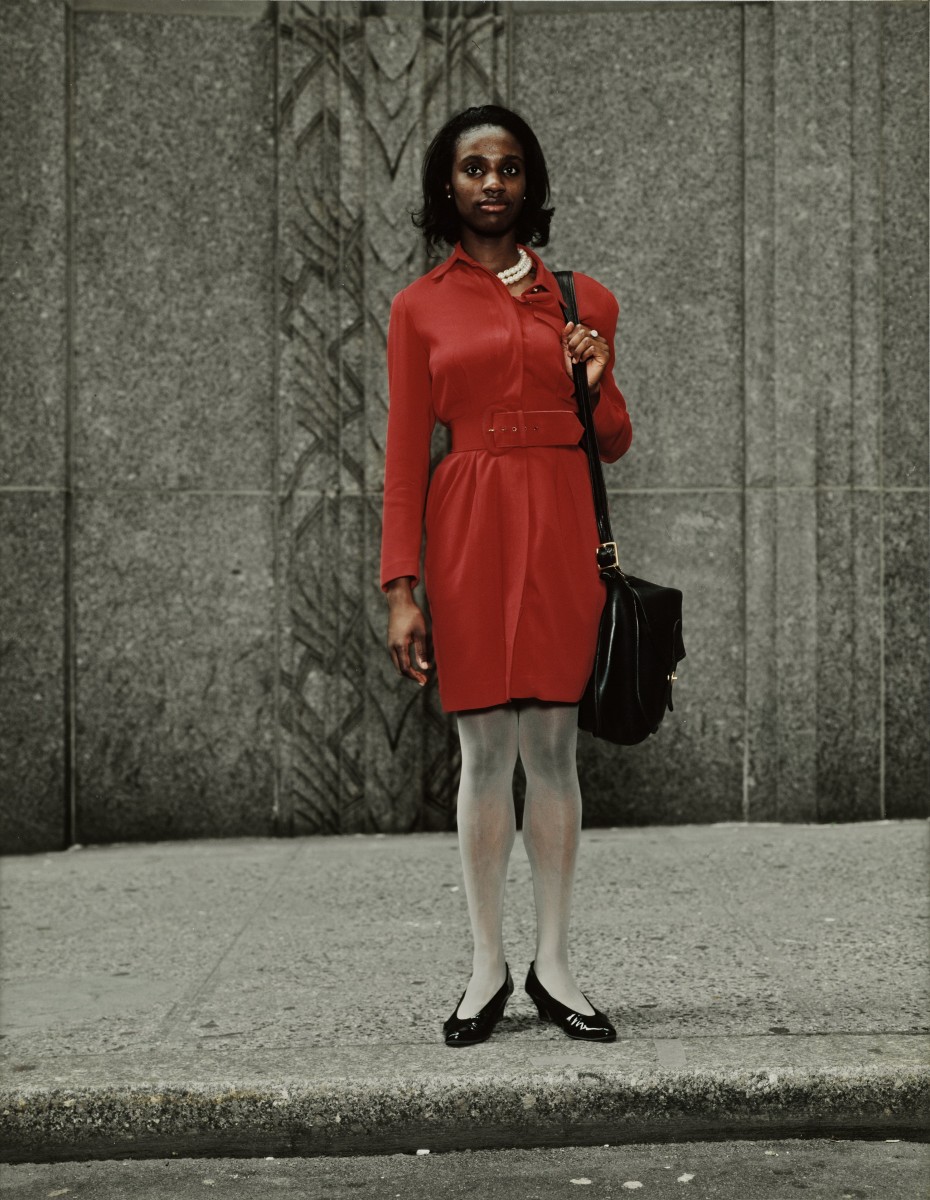
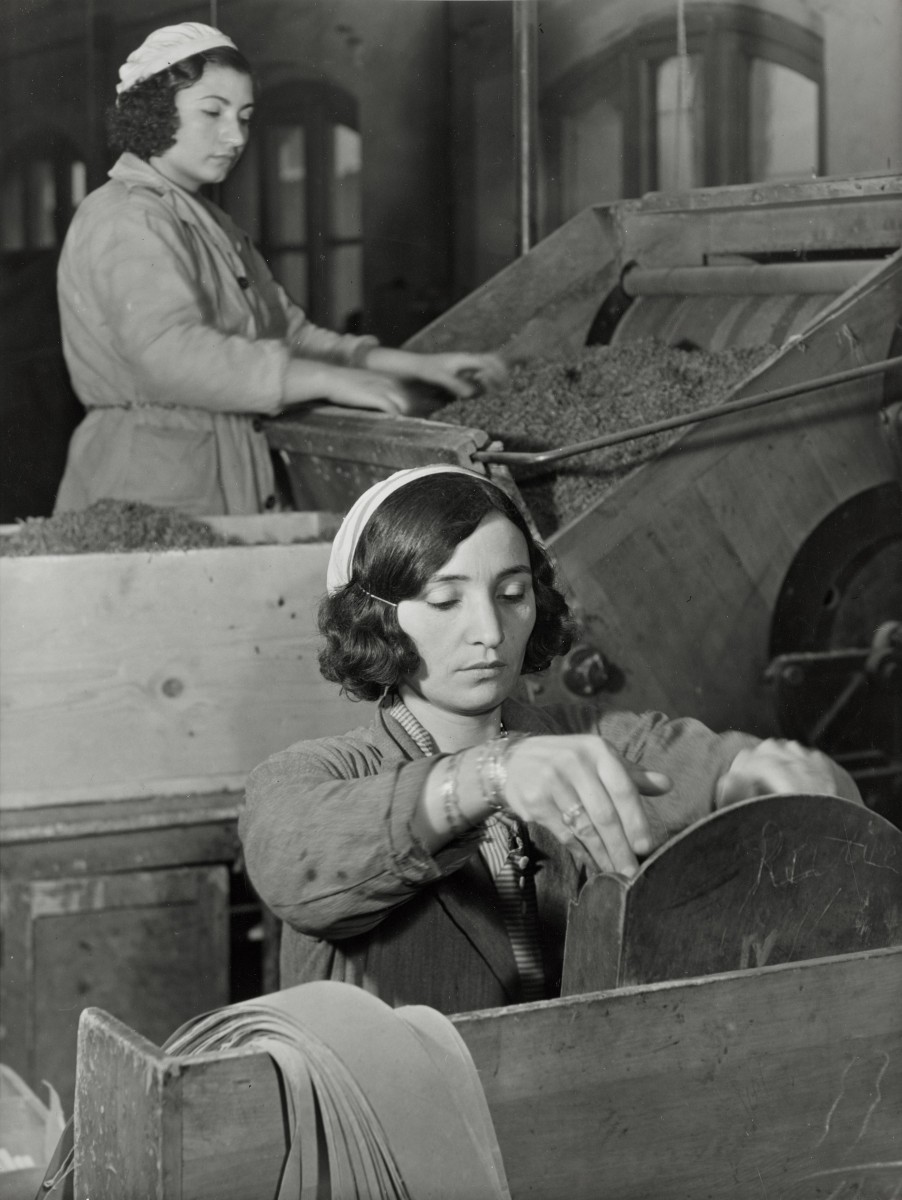
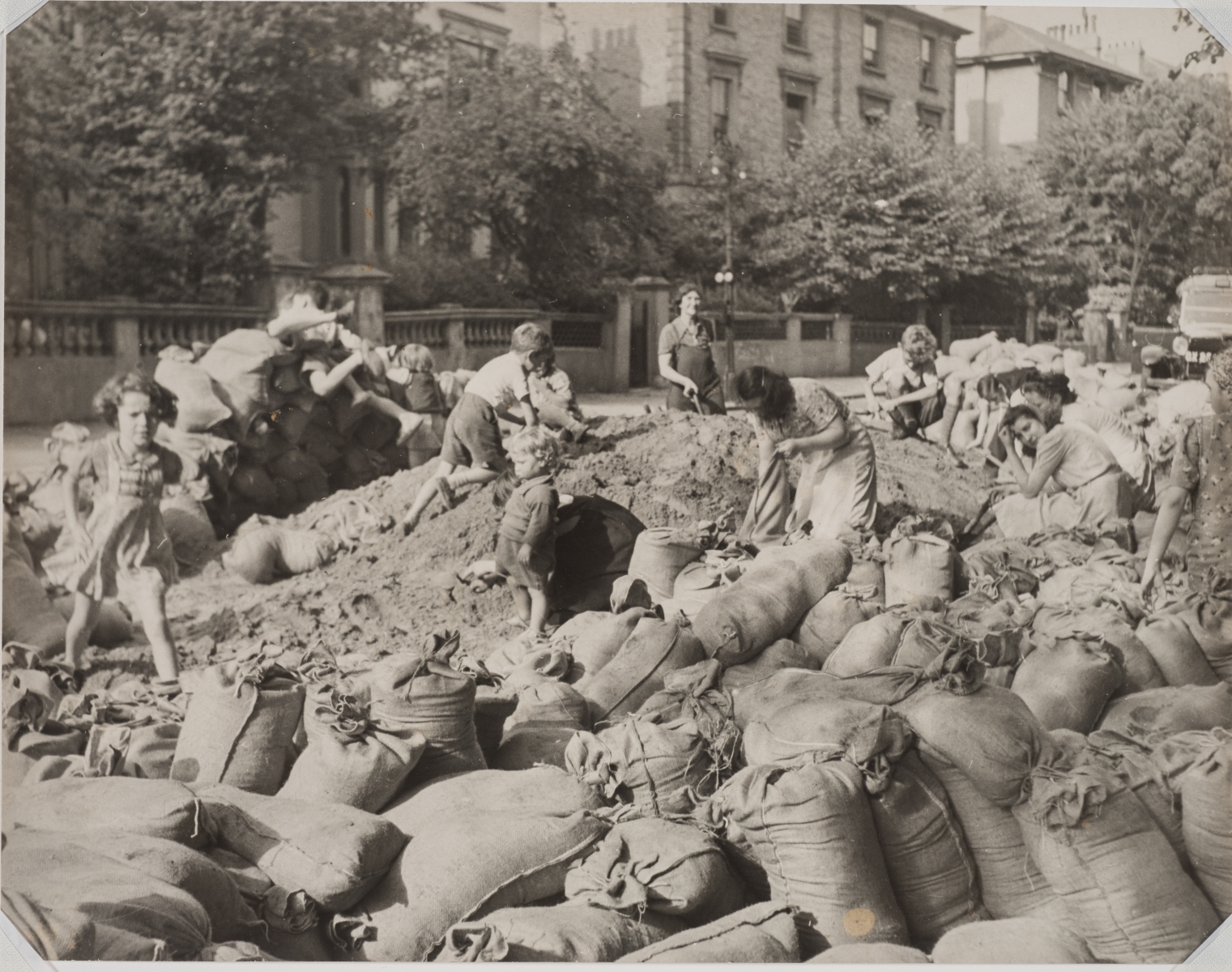
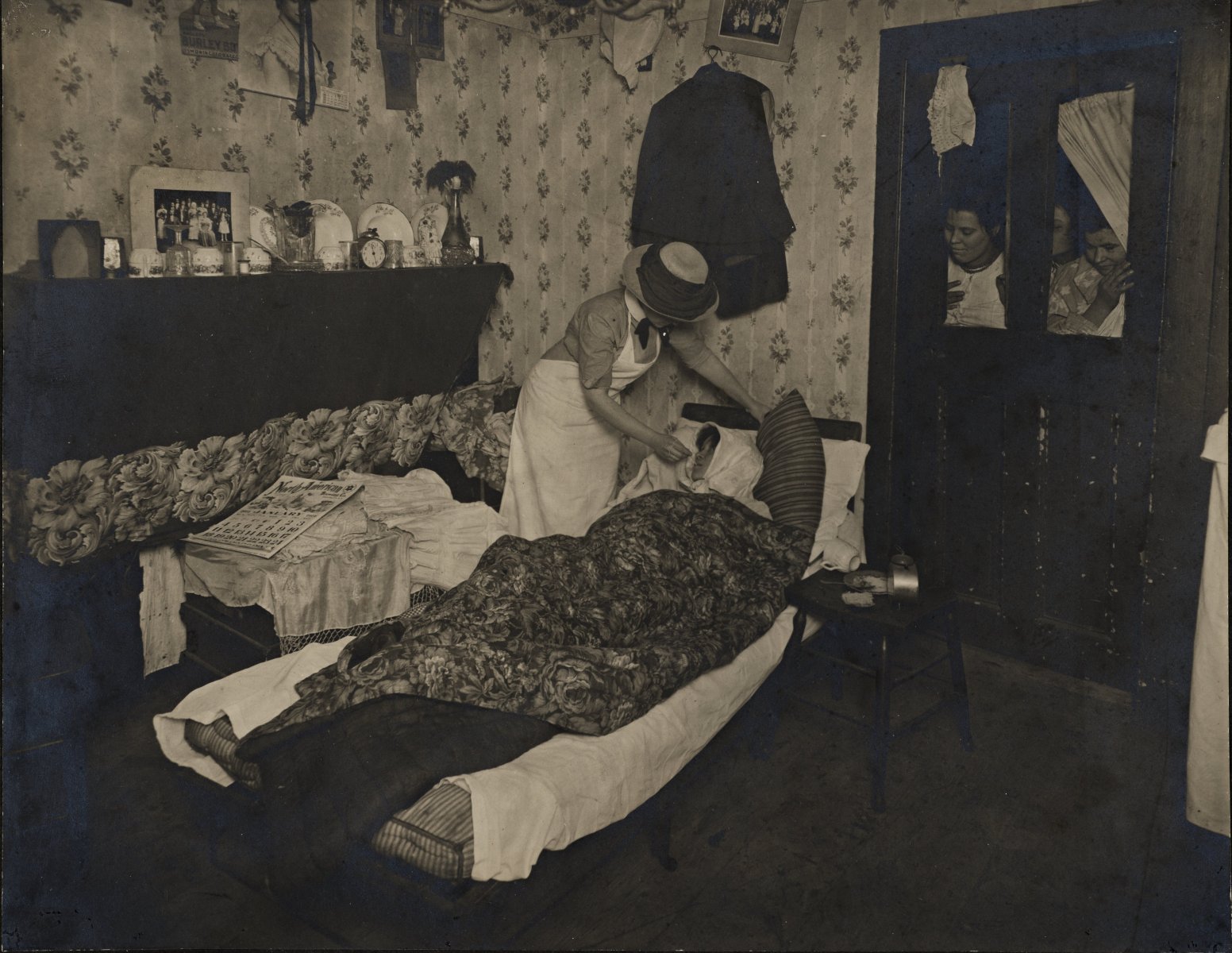
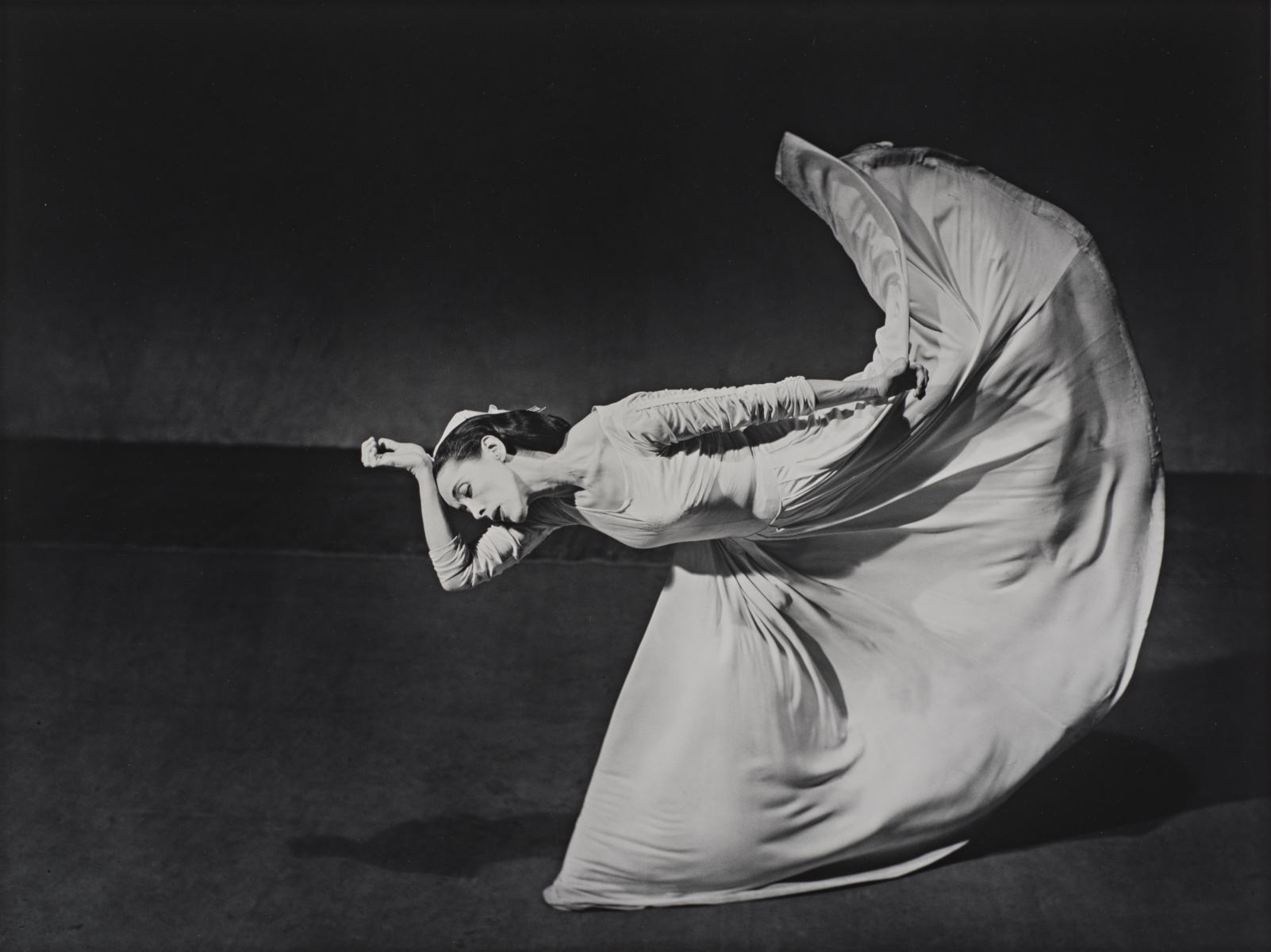
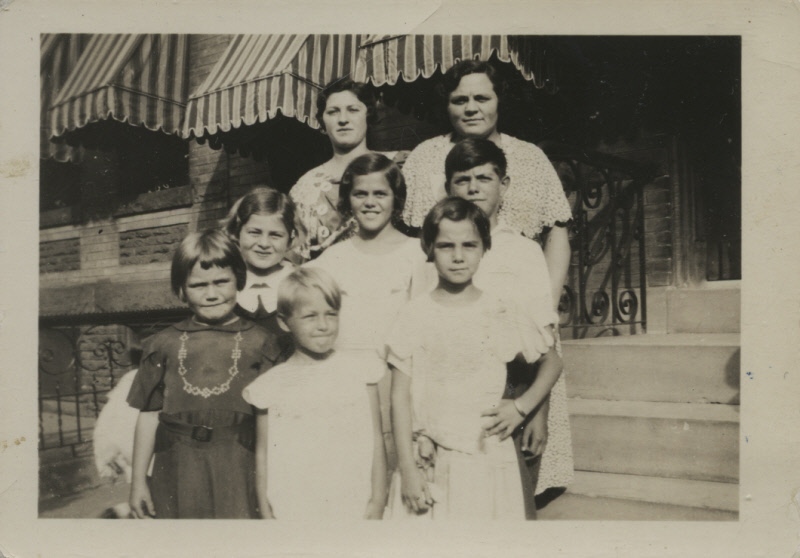
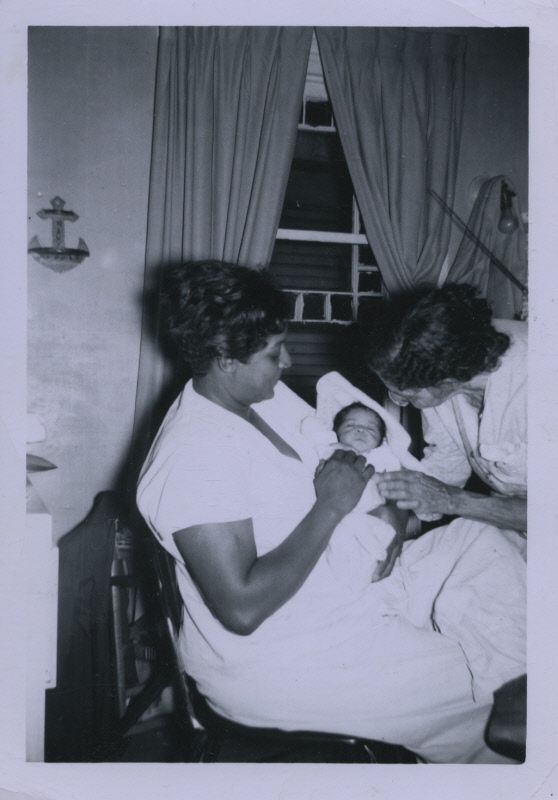
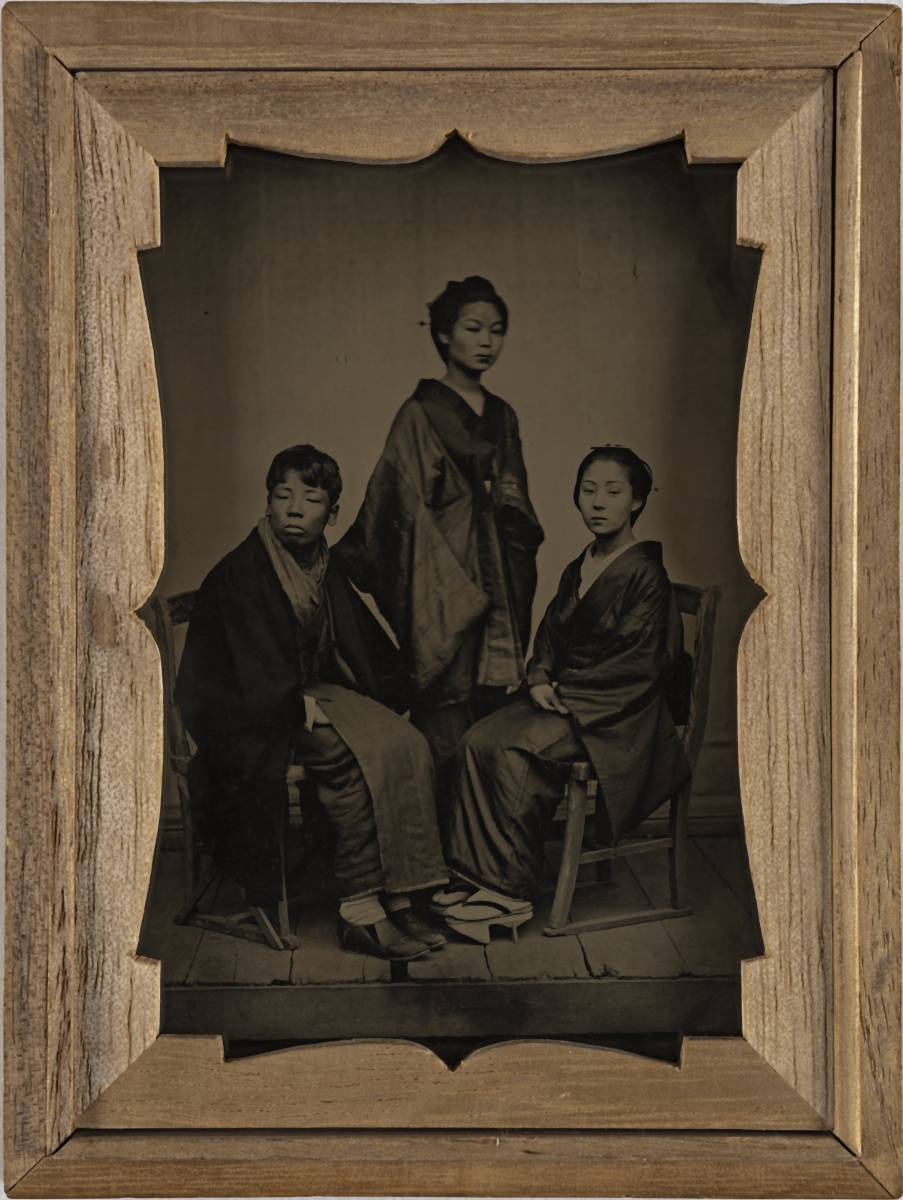
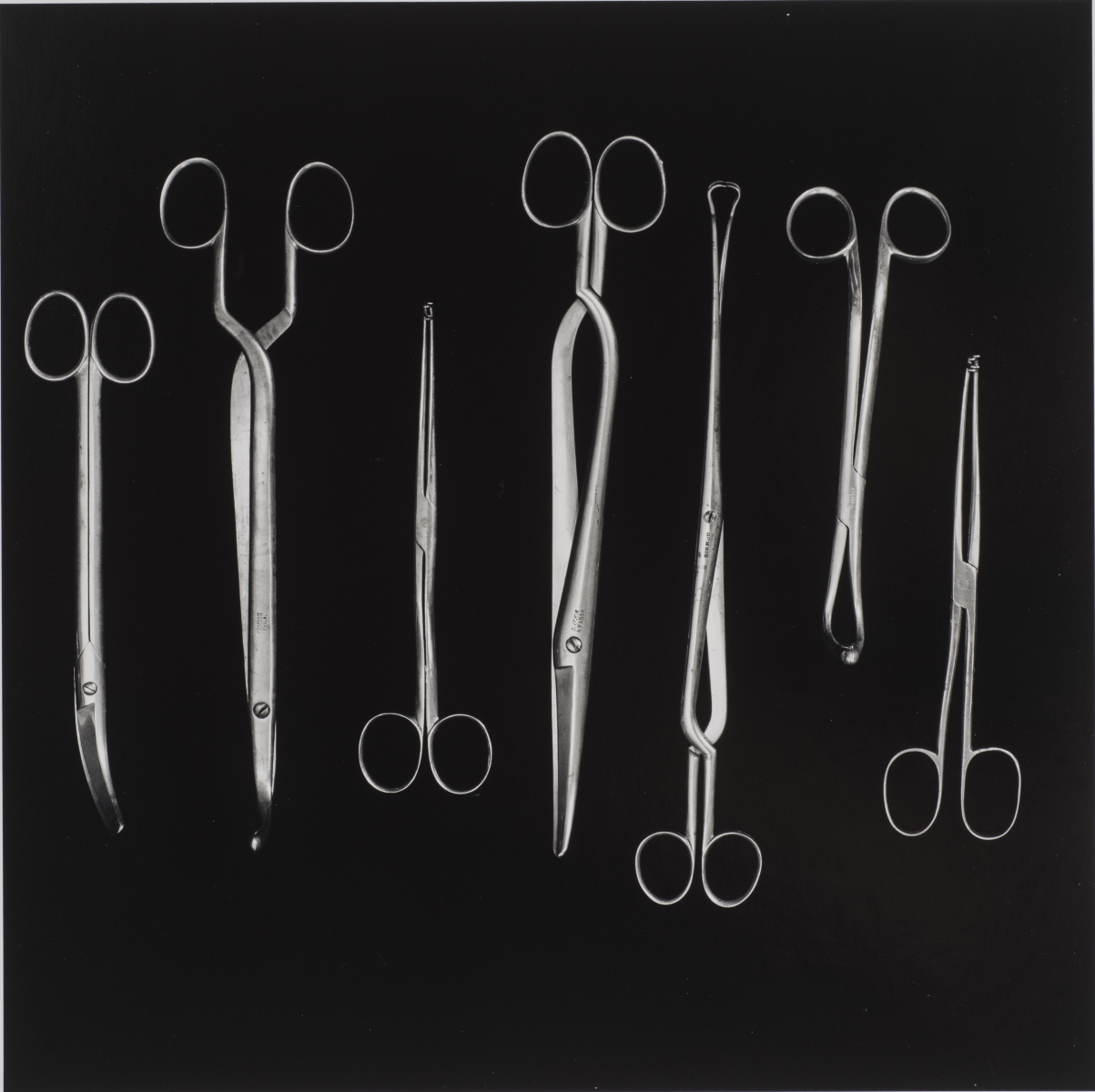
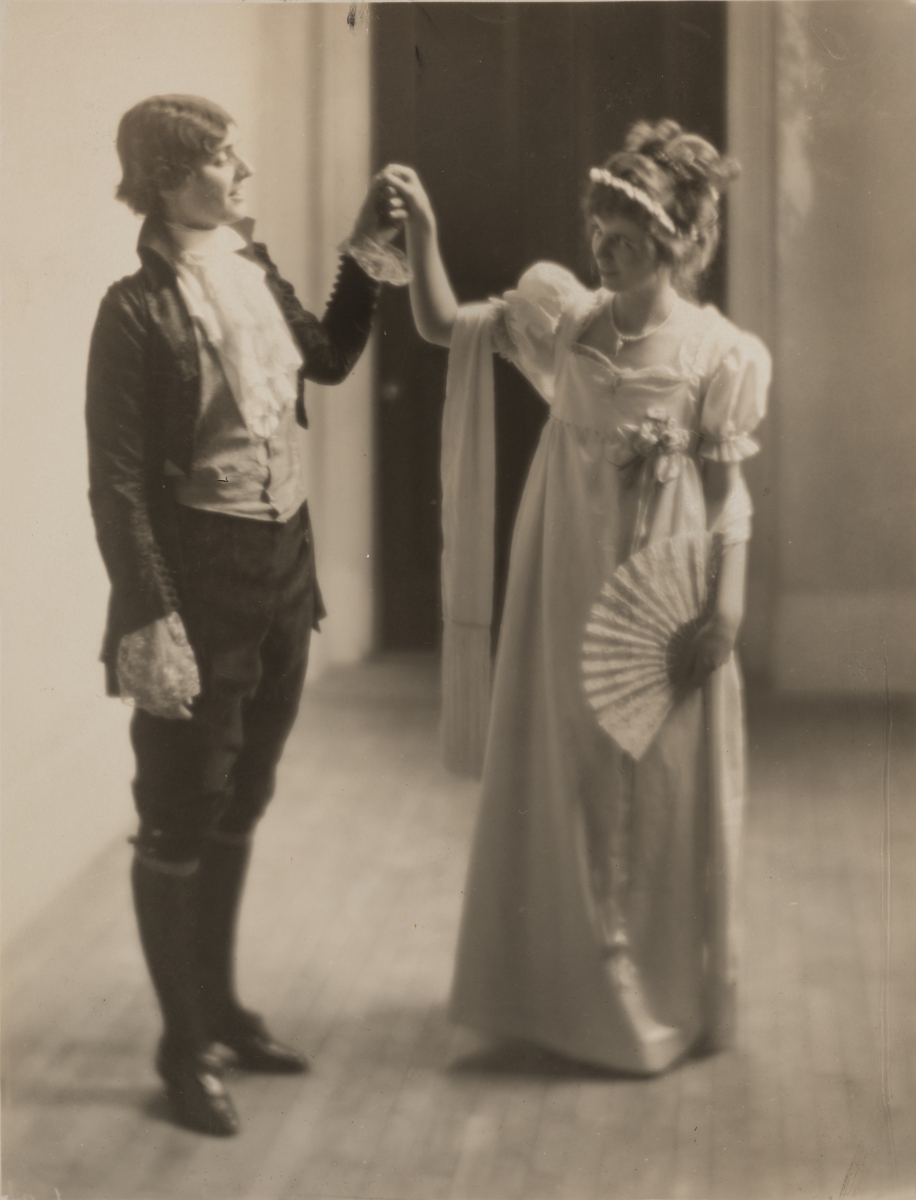
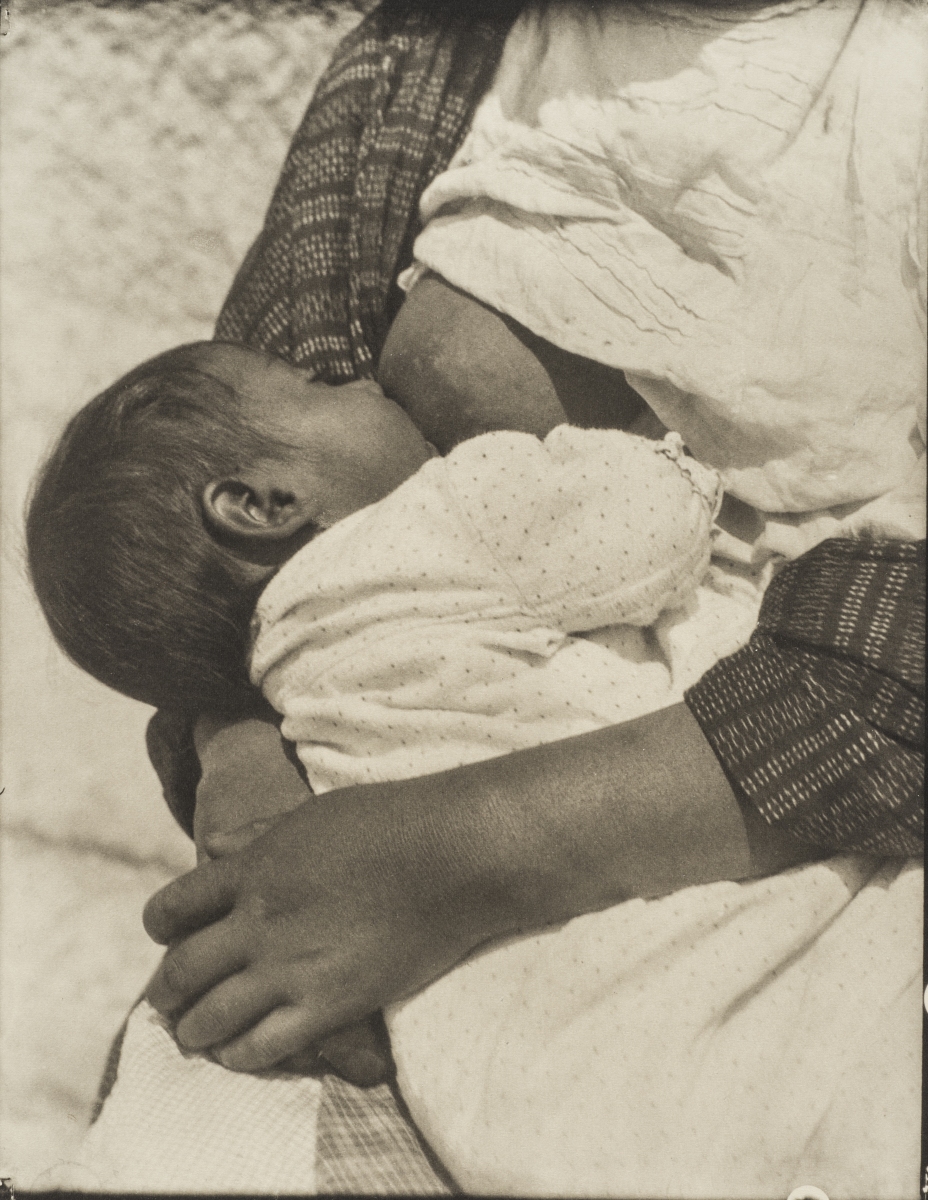
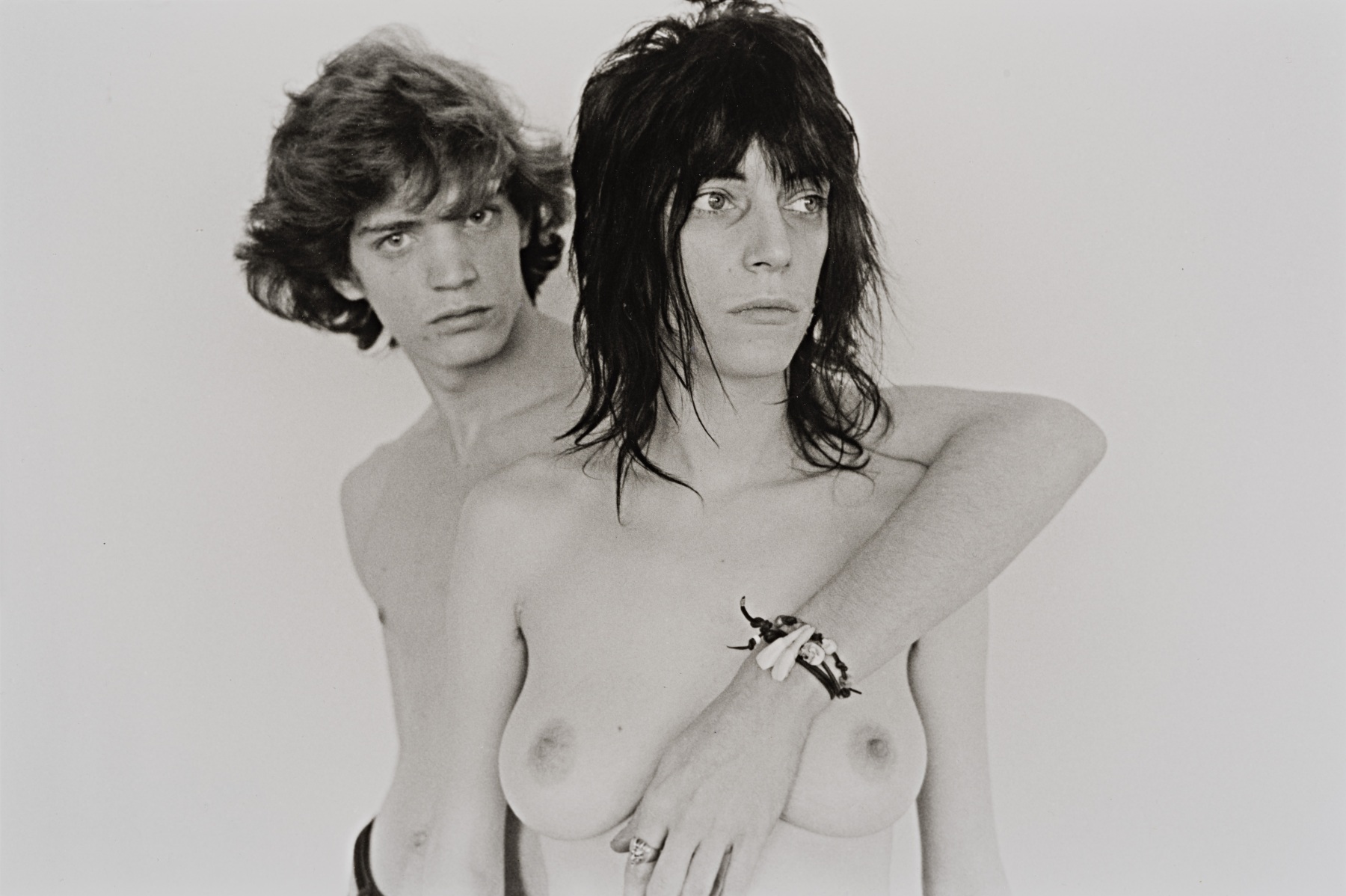
As makers, subjects, and users of photographs, women are integral to photography’s histories. However, women have been peripheral in both professional photography circles and mainstream historical narratives. Early on, photography was coded as a male pursuit, due to both the masculine association of machines, including the camera, and the struggles of many women to secure and sustain work outside the home. In the twenty-first century, women who work as commercial photographers are still vastly outnumbered by men in the field. Nevertheless, they have made critical contributions to science, journalism, art, fashion, and environmental preservation as photographers. Moreover, studying photography made by women also makes more visible the unpaid, domestic labor of child bearing and motherhood.
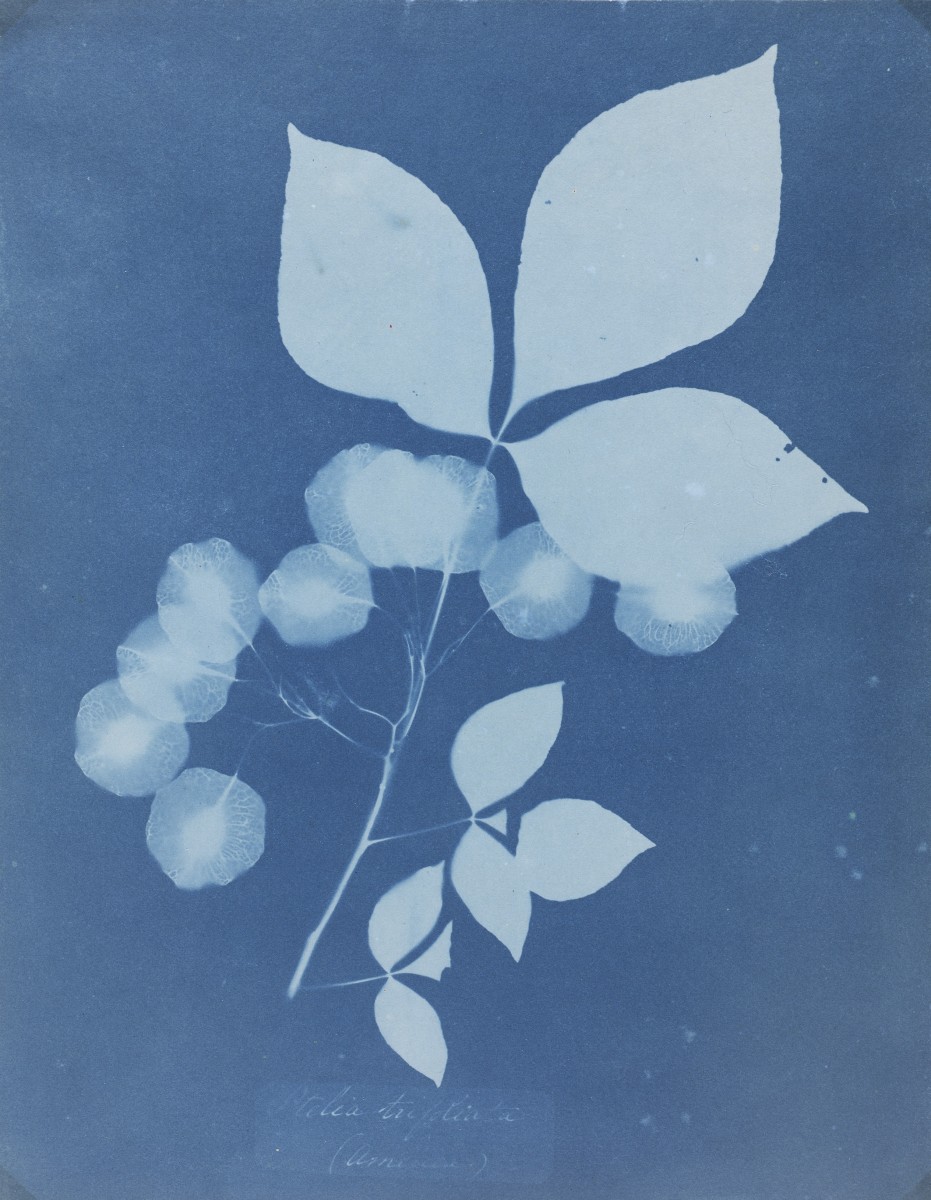
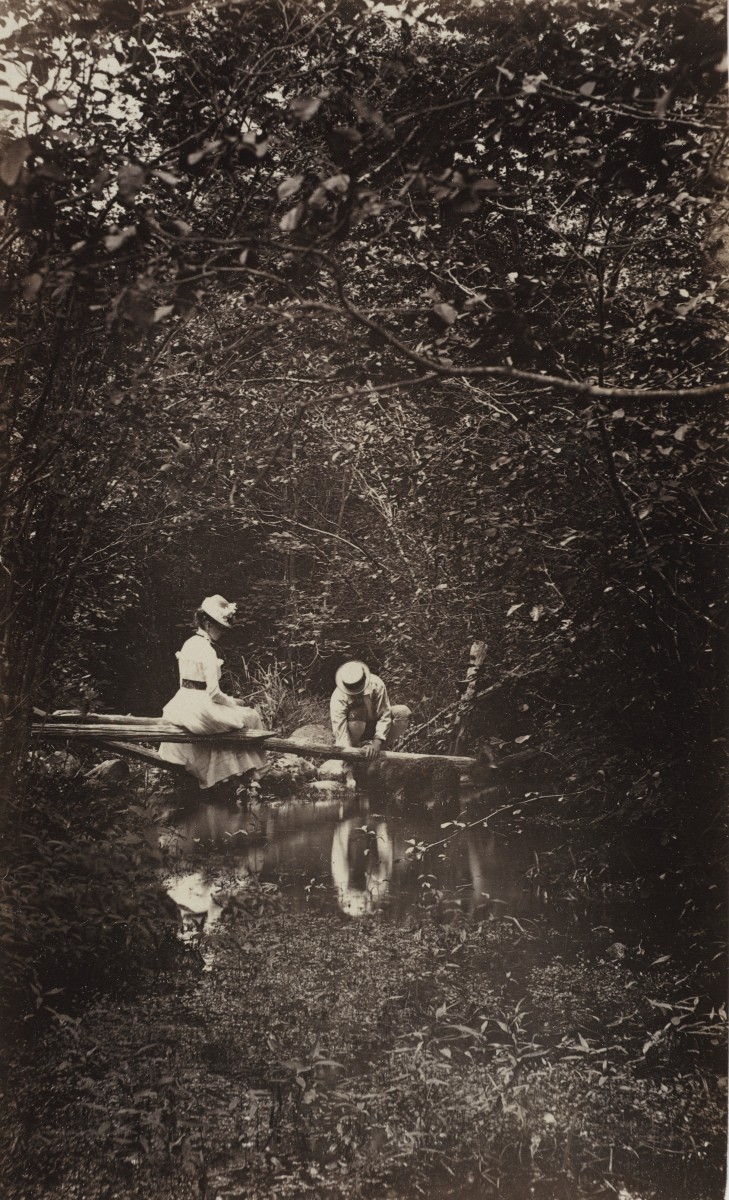
Though women were initially excluded from the realms of professional photography, they were not excluded from using the medium outright. In fact, women have embraced photography since its earliest moments. Some women photographers were deemed hobbyists; others applied photography as a new tool in their professional pursuits, such as astronomy, botany, medicine, and social work. Much like these occupations, photography made by women complicated the distinctions between professionalism and amateurism, hobbyist and artist. Women photographers turned their cameras inward and, thus, expanded the kinds of subjects pictured. Their work has been crucial for an expanded understanding of photography as a social practice, not only well suited to public life, but also to personal expression and intimate exchange.
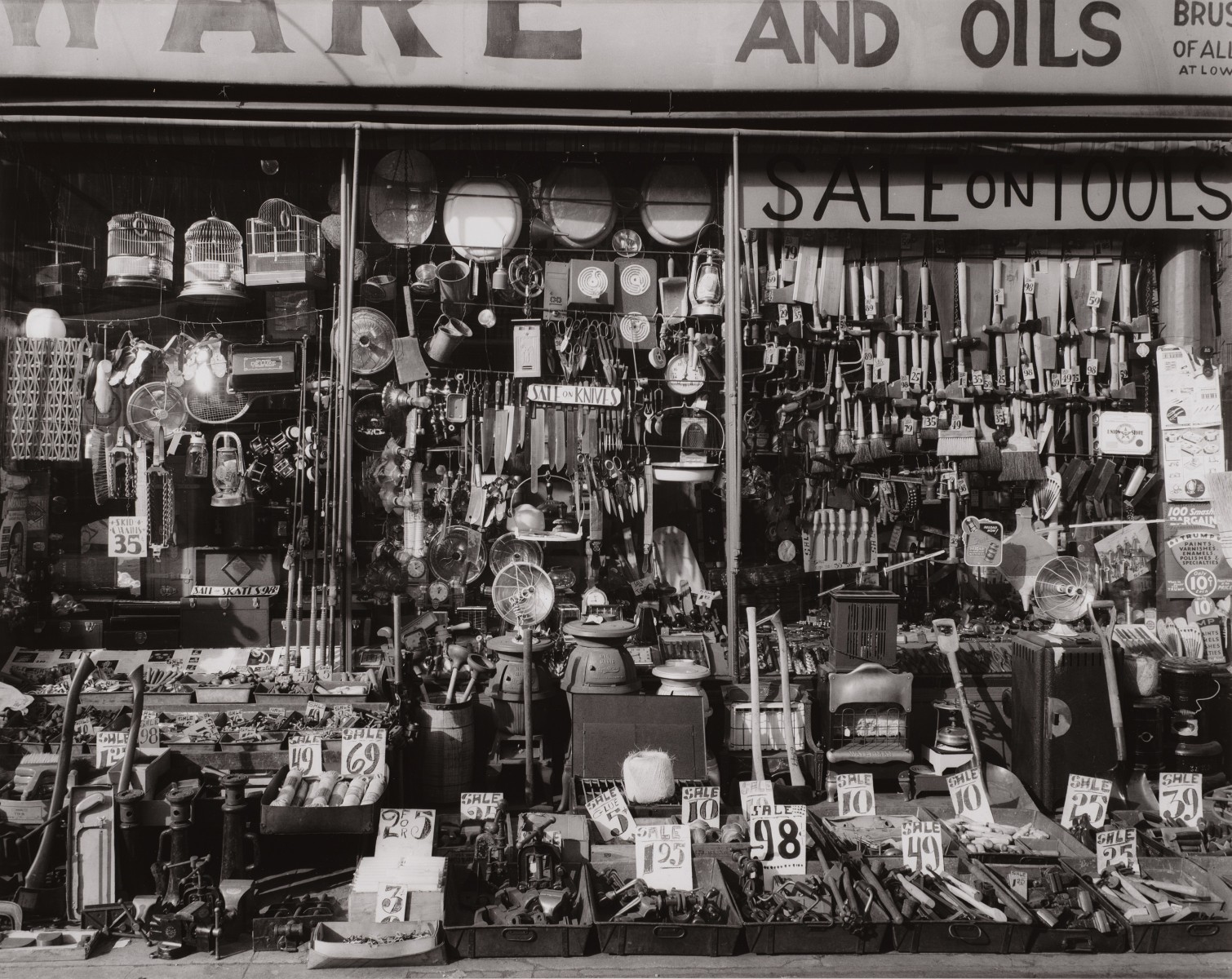
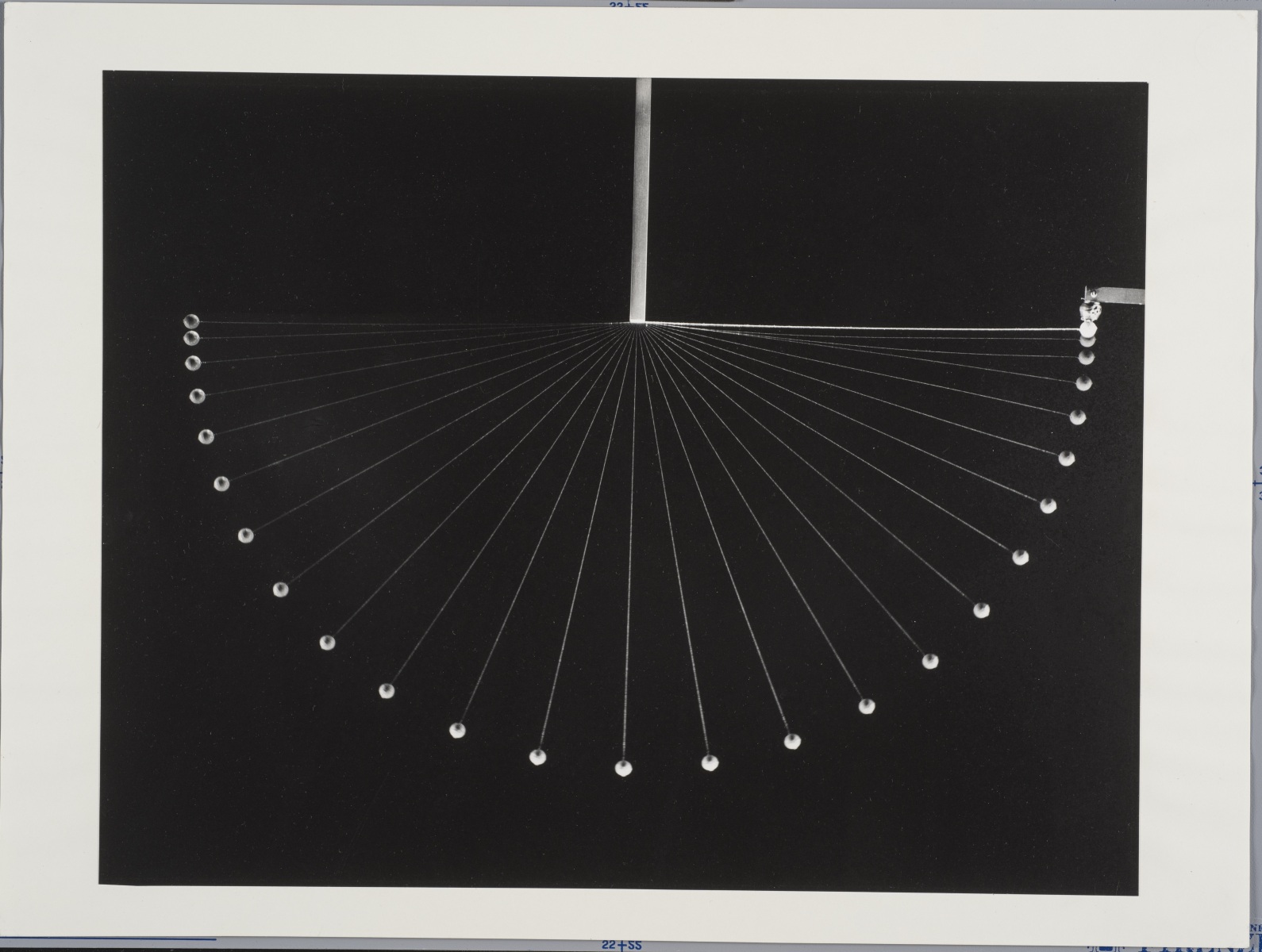
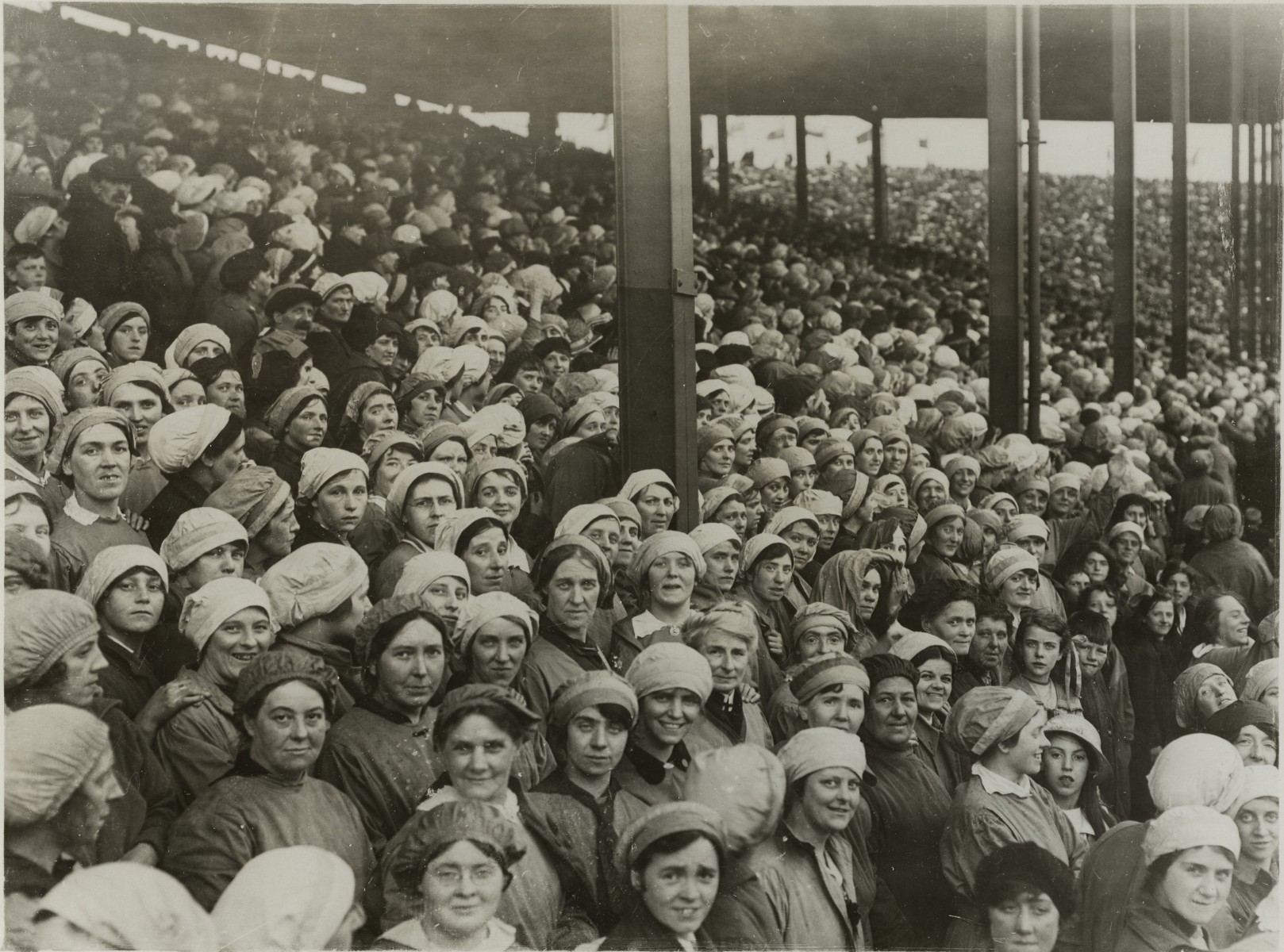
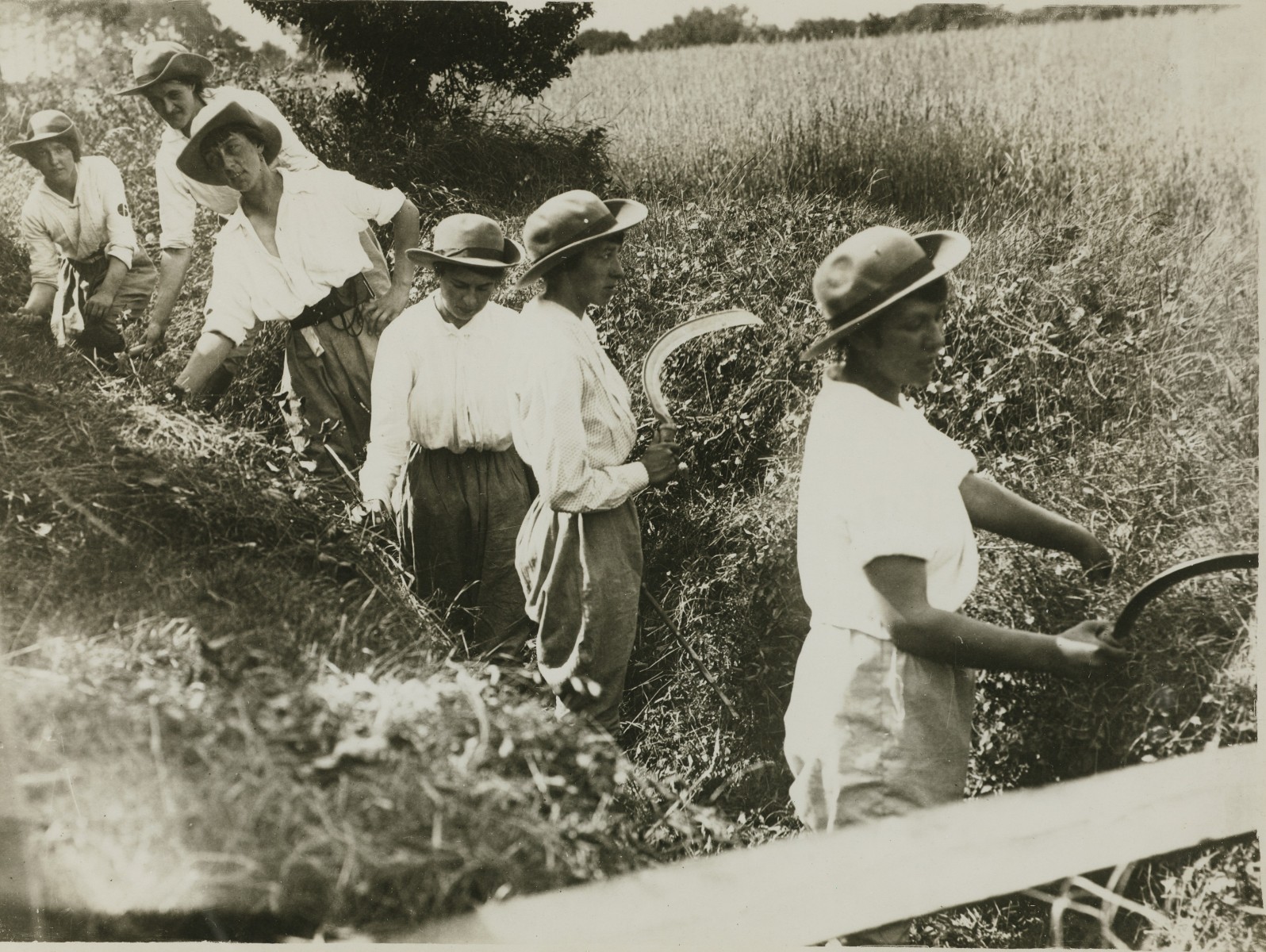
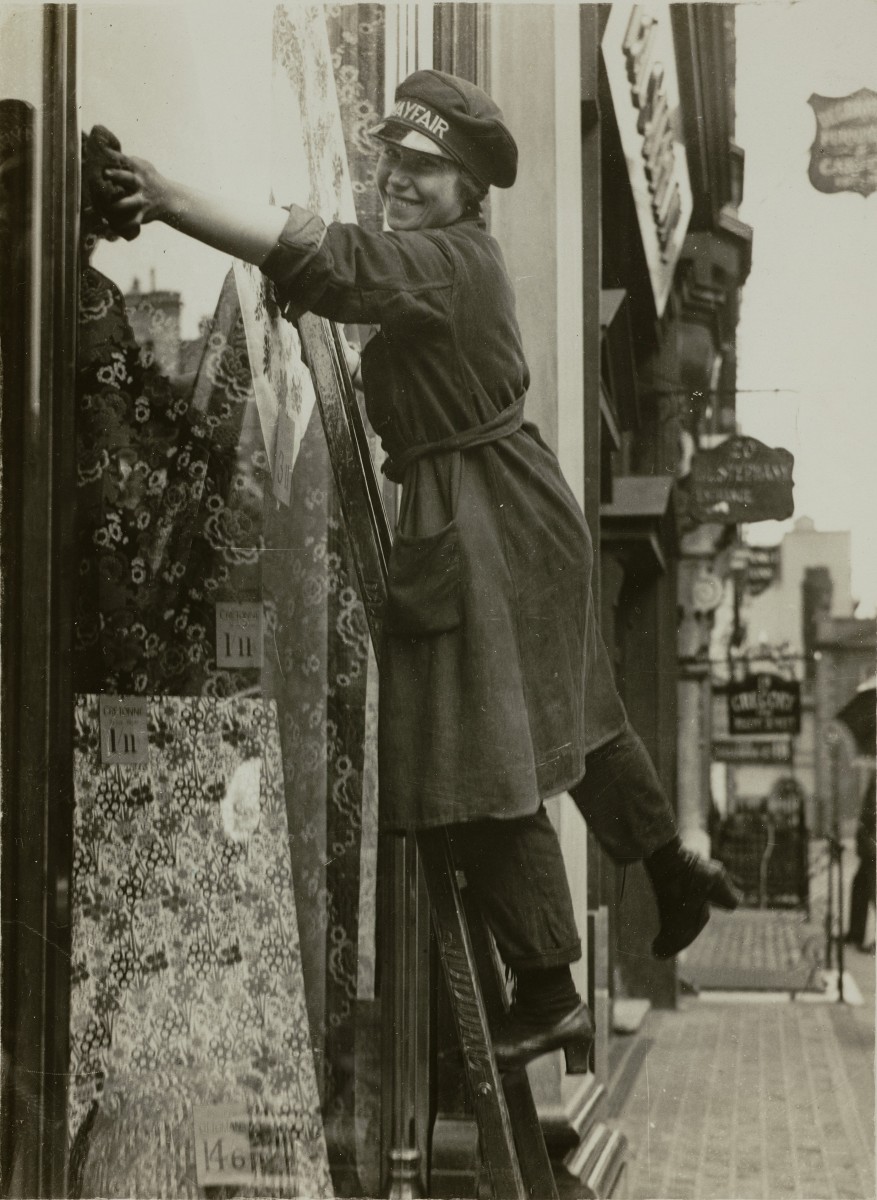
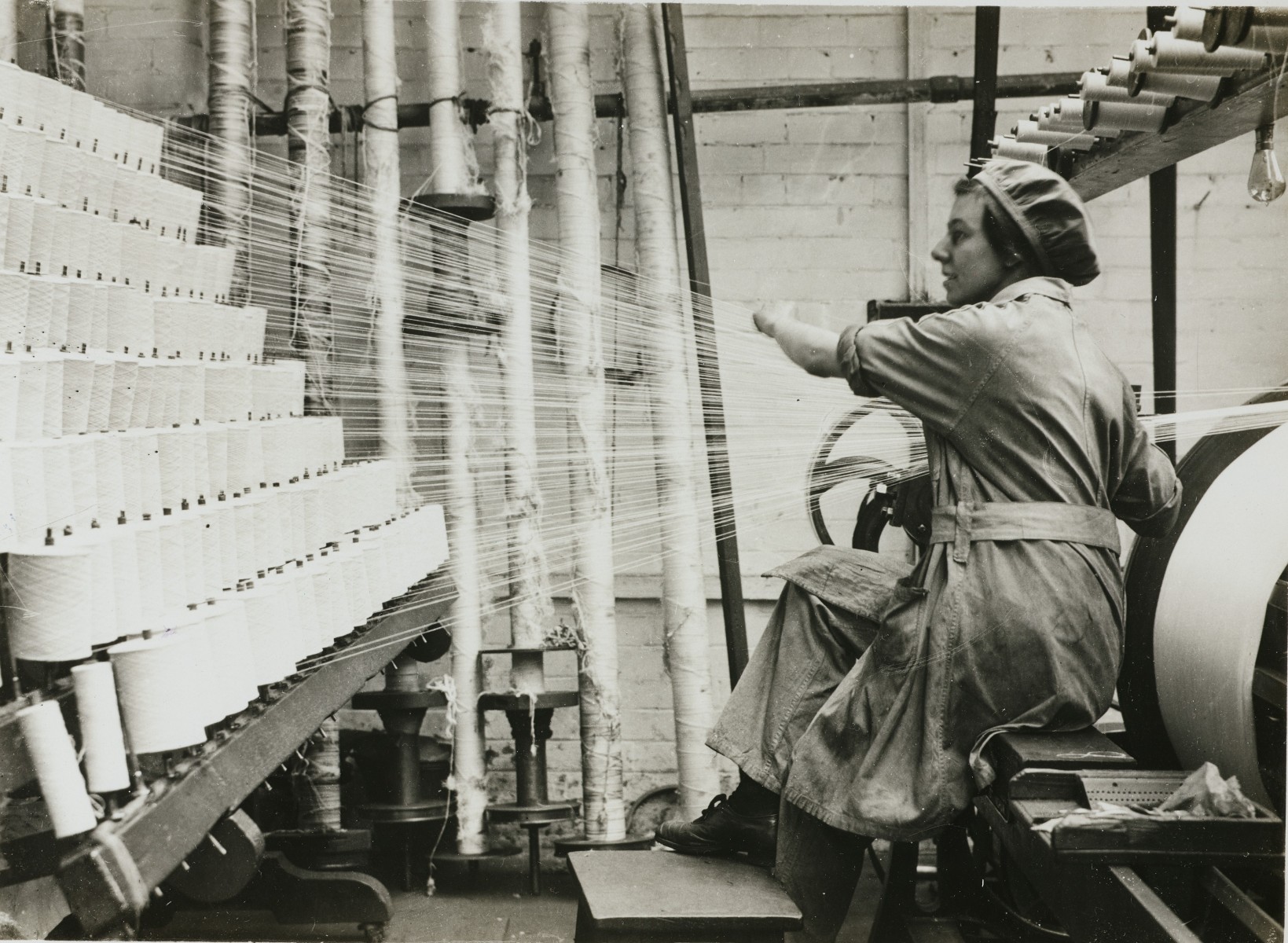
Like photography made by women, the labor of women is critical, if too often overlooked, to more thorough histories of science, medicine, journalism, politics, and the arts. Photographs offer unique access to the wide variety of women’s work—including the practice of photography itself—and demonstrate how images can convey the complexity and multiplicity of history when words sometimes fall short.
Cassie Jain, Post-Baccalaureate Curatorial Fellow, 2020-21
Jessica D. Brier, Deknatel Fellow in Photography, 2020-23
Discussion Questions
- Why have women been marginalized or rendered invisible in histories of labor? How might the inclusion of women in such histories expand the definition of “labor”?
- What kinds of information do photographs offer as primary sources for writing expanded histories?
- Why has photography traditionally been regarded as an activity or profession for men?
- How do women engage in forms of labor that are both private as well as public?
- How are different types of labor assigned value, be it social or monetary? How do we see value pictured in photographs?
Further Reading
- Karina Eileraas, “Reframing the Colonial Gaze: Photography, Ownership, and Feminist Resistance,” MLN (Vol. 119, No. 4).
- Jessica Evans, “Photography,” Feminist Visual Culture (Edinburgh: Edinburgh University Press).
- Jen Schwarting, “Labor and Delivery: Carmen Winant interviewed by Jen Schwarting” BOMB (August 7, 2018): https://bombmagazine.org/articles/labor-and-delivery-carmen-winant-interviewed/
Checklist of Photographs
Featured Objects